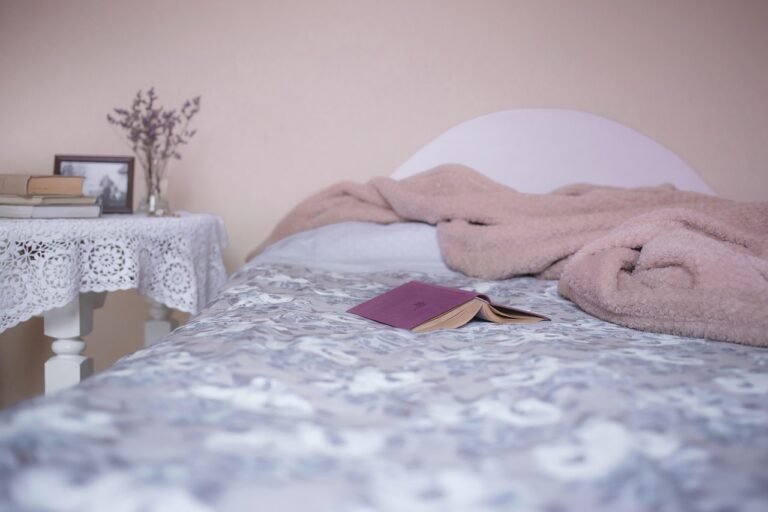

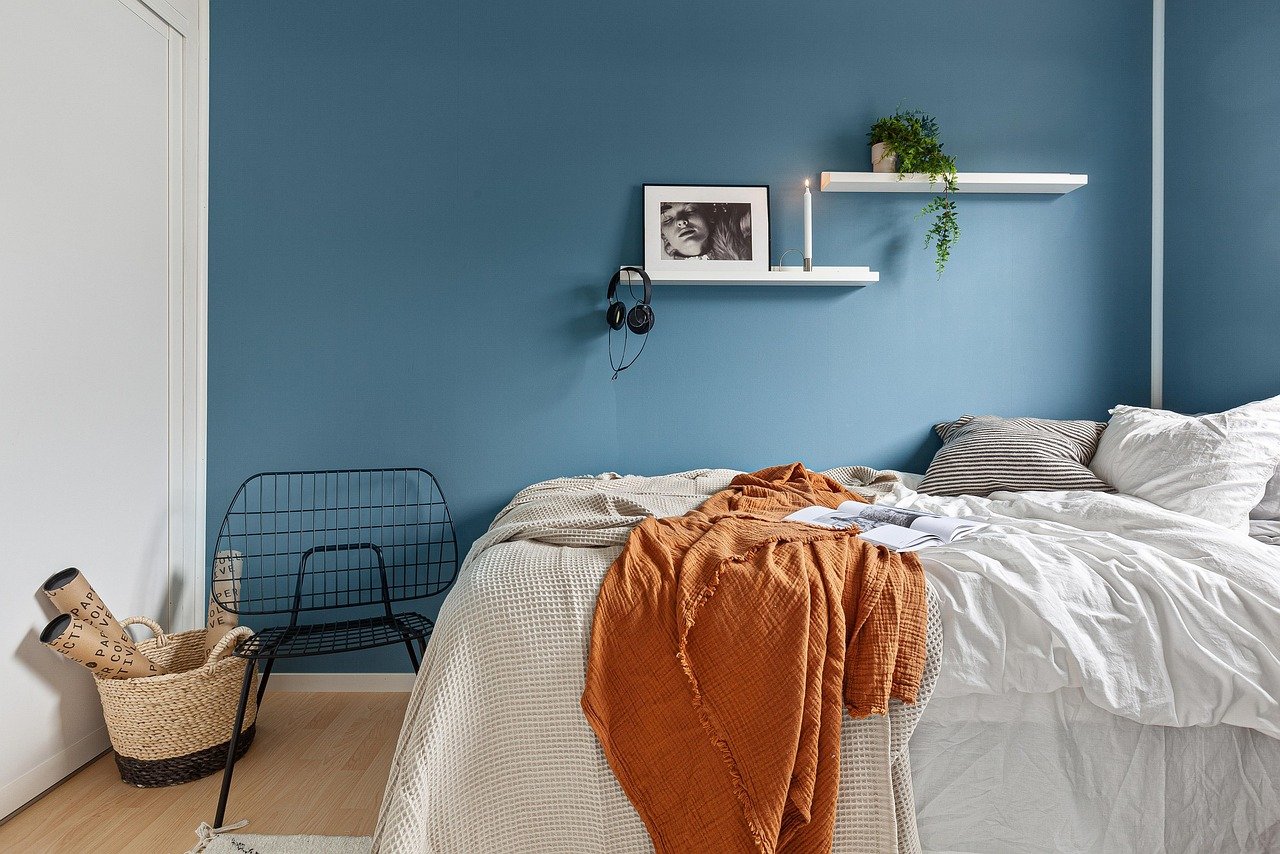
A linen duvet, two supportive pillows, and a lightweight throw create sleep-ready layers with calm color and clean bed proportions. A white duvet can feel cold beside cream walls, while a flax blanket adds visual warmth. Your room benefits from careful editing, not an all-white uniform.
Here, you’ll sort color, fabric, duvet weight, pillows, and texture around your climate, furniture, laundry habits, and preferred level of warmth.
Start With Comfort and Bed Function
A calm bed should help you sleep and make morning tidying quick. Minimalist bedroom design favors fewer layers, quiet patterns, and deliberate color, yet your bed should still feel comfortable at night. Start with the pieces that touch your skin, then add only layers with a clear job.
Four choices shape the whole bed
Color, climate, texture, and proportion work together. Color sets the mood against walls and furniture. Climate directs your sheet weave and duvet fill, while texture and scale keep neutral layers from looking flat or oversized.
- Color direction: Choose two or three related tones that sit well with your paint, flooring, and furniture.
- Sleep temperature: Match your sheet weave and duvet fill to the warmth you feel overnight.
- Surface character: Rely on weave, wrinkles, or stitching for depth instead of competing prints.
- Bed scale: Keep pillow count, duvet drop, and blanket length suited to your mattress size.
Seven principles keep the bed from feeling bare
Function comes before appearance, so your sheets need to suit your body and laundry routine. Visual balance follows through repeated tones and a centered pillow arrangement. Comfort, light, scale, restraint, texture, color, and personal character keep a minimalist bedroom design from feeling impersonal.
A queen bed in a warm apartment can pair ivory cotton percale, a sand-colored duvet cover, two standard pillows, and a thin oatmeal blanket. That combination gives you airflow, contrast, and a finished appearance without a stack of cushions. Color comes next because mismatched undertones can make even well-chosen layers look accidental.
Match Bedding Undertones to Walls and Furniture
Two white fabrics placed side by side can reveal a yellow, pink, green, or blue cast within seconds. Your layers do not need an exact match, but their undertones should relate to the room’s paint, flooring, and wood finish. A narrow neutral color palette keeps the bed calm without turning every surface into one shade.
Warm and cool neutrals suit different room details
| Room detail | Compatible bedding tones | Useful contrast |
|---|---|---|
| Oak furniture, tan walls, brass | Ivory, oat, camel, warm taupe | Chocolate brown stripe |
| Blue-gray paint, slate, black metal | Cool white, stone gray, mushroom | Charcoal pillowcase edge |
| Terracotta art, walnut, cream paint | Sand, clay, muted olive, ivory | Rust-toned woven blanket |
| White walls, pale maple, nickel | Soft white, light gray, pale beige | Graphite check or slate throw |
Warm whites carry a trace of yellow, red, or peach, so they sit comfortably beside honey oak, beige paint, and aged brass. Cooler whites lean blue or gray and look cleaner beside marble, blue-gray walls, and black metal. Your eye can read mixed undertones as dingy even where every item is new.
Controlled contrast keeps white layers from looking flat
All-white bedding works in a room with sharp daylight, but it needs a visible shift in weave or value. Place a deeper neutral at the foot of the bed, add a narrow ticking stripe, or select a textured duvet cover. One quiet interruption gives your eye a place to rest.
Place a fabric swatch or folded pillowcase against your wall before removing tags. Store lighting can hide a cream, pink, green, or blue cast that becomes clear beside your headboard.
Neutral bedding sets feel more settled with one light layer, one mid-tone layer, and one darker detail. A cool-white fitted sheet, stone-gray duvet, and charcoal lumbar cushion can feel spare without looking sterile. Once your color direction is settled, fabric determines whether the bed feels crisp, silky, relaxed, or low-maintenance.
Select Sheet and Duvet Materials for Daily Use
Sheet weave changes the bed’s feel more than a high number on a thread-count label. Cotton percale feels crisp because its yarns cross in a plain grid. Cotton sateen floats more yarn across the surface, producing a smoother hand and holding a little more warmth.
| Material | Feel and heat | Care and visual effect |
|---|---|---|
| Cotton percale | Crisp, airy, cool | Wrinkles lightly; looks neat and matte |
| Cotton sateen | Smooth, soft, slightly warmer | Less crisp; gives a subtle sheen |
| Linen bedding | Breathable, dry-feeling, relaxed | Wrinkles deeply; grows softer through washing |
| Cotton blend | Adaptable, familiar, moderate warmth | Resists wrinkles; varies by fiber mix |
Sleep temperature directs the weave
Hot sleepers tend to prefer percale or linen because both leave more room for air movement around the body. Sateen suits your bed where cool sheets feel harsh and you prefer a smoother, warmer surface. Variable apartment temperatures call for adaptable cotton, a medium insert, and one removable blanket.
Linen has durability, but its creases signal a relaxed style rather than a pressed bed. Your linen-versus-cotton choice comes down to sleep feel and visual preference: linen brings dry texture and natural wrinkles, while cotton gives you cleaner lines and more weave choices.
Thread count is only one material clue
A 300-thread-count long-staple cotton sheet can outlast a denser sheet made with shorter fibers and heavy finishing. Check fiber length, weave, seam stitching, elastic quality, and hem width. Treat sheet thread count as one clue rather than a verdict on softness or service life.
Textile labels add context beyond a package claim. OEKO-TEX Standard 100 marks textiles screened for a defined list of substances, while GOTS tracks organic-fiber content and processing rules. European Flax identifies flax grown in Europe, and labels from Parachute, Brooklinen, and IKEA show weave, fabric weight, and care details across similar items.
Those specifications make it easier to compare durability and care before spending on accents.
Purchase Essential Layers Before Decorative Pieces
A bed can look crowded long before your closet fills with blankets. Begin with the layers that touch your skin and regulate warmth, then pause until another item has a practical purpose. Your starting set can stay lean without looking unfinished.
A short purchase order limits excess
- Fitted sheet: Measure mattress width, length, and depth, then match pocket depth to your actual mattress.
- Duvet cover: Select the color and fabric that carry most of the bed’s visual weight.
- Duvet insert: Choose a medium-weight insert for temperate indoor spaces, then adjust warmth with a lighter top layer.
- Sleeping pillows: Start with two pillows suited to your sleep position and mattress width.
- Flat sheet: Add this layer only where it improves comfort or makes laundry easier.
- Accent layer: Keep one blanket or coverlet only where it adds warmth, texture, or both.
A medium-weight duvet insert reduces seasonal storage because you can shift warmth with a waffle blanket or light coverlet. Down, wool, and down-alternative fills differ in loft and care, so the label’s warmth rating offers a useful starting point. Your bedroom may require less fill than a showroom display suggests.
Mattress measurements set a clean duvet drop
| Bed size | Fit detail to check | Minimal styling cue |
|---|---|---|
| Twin | 38 by 75 inches, plus mattress depth | Skip euro shams and add one narrow blanket |
| Full | 54 by 75 inches, plus mattress depth | Keep pillows close to headboard width |
| Queen | 60 by 80 inches, plus mattress depth | Two sleeping pillows fill the head neatly |
| King | 76 by 80 inches, plus mattress depth | Choose two king pillows or four standard pillows |
Low-profile platform beds expose more mattress edge and less floor below the duvet. Skip a bed skirt unless it conceals needed storage or an exposed frame detail. Correct sizing gives your bedding a clean outline before texture and styling enter the room.
Style Texture and Proportion With Restraint
One raised waffle weave can add more visual interest than four decorative pillows. Texture catches light in small shadows, giving neutral layers warmth without loud color. You can rely on matte cotton, linen wrinkles, a restrained check, or a woven stripe as the bed’s main focal detail.
A three-part arrangement stays quiet
Set the duvet as the largest surface, place two sleeping pillows as the vertical anchor, and add one optional layer near the foot. Fold a blanket into a band around one-third of the mattress length instead of a bulky rectangle. Your bed stays intentional and remains easy to remake.
For a warm-minimalist combination, pair a clay-toned linen duvet with ivory pillows and a dark olive cotton throw. The three colors stay muted, while linen creases and the throw’s weave keep the result from feeling flat. A small framed family photo on the nightstand adds personal character without another bedding layer.
After visual balance is in place, comfort and upkeep determine whether the arrangement works every day.
Scale mistakes interrupt a clean bed line
- Oversized duvet: Avoid extra fabric that pools on a low frame and hides the bed’s simple shape.
- Euro shams: Skip large square pillows on twin and full beds, where they crowd sleeping space.
- Short throws: Choose a throw wide enough to cross the mattress instead of stopping at its center.
- Bulky folds: Keep blankets thin enough to fold once or twice without making a thick mound.
A decorative layer should earn its place through warmth, texture, or personal character. A pillow moved to the floor each night is clutter with a seam.
Settle the Final Comfort and Care Choices
After the proportions look right, your final choice rests on how the bed performs at 2 a.m. The 2026 bedroom trends favor warm neutrals, tactile natural fibers, and restrained pattern. Yet a fashionable duvet loses appeal where it overheats you or demands care that does not fit your routine.
Three combinations suit distinct sleep needs
- Cool and crisp: Pair cotton percale with a light duvet insert and thin cotton blanket for hot sleep.
- Soft and warm: Pair sateen sheets with a medium insert and a matte duvet cover in mushroom or ivory.
- Relaxed and natural: Place linen sheets under a washed cotton duvet and finish with one woven blanket.
- Variable apartment heat: Choose adaptable cotton sheets, a medium insert, and a removable waffle blanket.
Keep a trend only where it suits your room’s fixed elements, such as wall paint, flooring, and headboard material. A subtle brown check on a duvet cover sits comfortably with walnut furniture for years, while a loud seasonal color can force later purchases into the same palette. Your personal detail should stay small enough to change without restarting the room.
Laundry habits settle the remaining trade-offs
Washability matters more than a matching package of pillow shams. Two complete sheet sets suit many homes: one on the bed and one in the laundry or closet. Add a third set where children, pets, night sweats, or limited wash time require a faster rotation.
Common minimalist bedroom mistakes include mismatched white undertones, a duvet too large for the frame, decorative cushions that migrate nightly, and fabric chosen for a photo rather than sleep. Check fit, washing instructions, and nighttime warmth before color styling. That order helps your minimalist bedroom bedding stay calm through real use, not only on a freshly made morning.
Final Thoughts on a Calm, Useful Bed
Your bed needs fewer decisions, not fewer comforts. Choose layers that fit your sleep temperature, place compatible undertones beside the room, and give texture one clear role. A fitted sheet, duvet cover, suitable insert, two sleeping pillows, and one useful accent layer can leave your bedroom quiet, personal, and ready for sleep.
FAQ
How do you choose bedding for a minimalist bedroom?
Start with your sleep temperature, mattress measurements, and room undertones. Then limit the bed to a fitted sheet, duvet cover and insert, two sleeping pillows, and one optional blanket. Your fabric, color, and accent layer should each serve a clear comfort or visual purpose.
What are some minimalist bedding ideas?
You can pair ivory percale with a taupe duvet, gray sateen with a charcoal throw, or linen sheets with a muted olive blanket. Keep patterns small, such as a narrow stripe or quiet check. Texture from waffle weave, linen wrinkles, or matte cotton adds depth without extra objects.
What colors work well for minimalist bedding?
White, ivory, beige, taupe, gray, and muted earth tones work well because they form a restrained color range. Match warm cream and tan shades with wood and brass. Use cool white, stone gray, and charcoal beside blue-gray paint, marble, or black metal.
Is linen or cotton better for minimalist bedding?
Linen suits you where breathability, natural texture, and a relaxed wrinkled finish matter most. Cotton suits you where crisp percale, smooth sateen, or cleaner visual control fit your routine. Your sleep temperature and tolerance for wrinkles should settle the choice more than appearance alone.
How can you make a bed look minimalist but cozy?
Use two sleeping pillows, a duvet with a clean drop, and one textured blanket folded across the lower third. Choose related neutrals with one darker detail, such as ivory, taupe, and brown. Your bed gains warmth from texture and proportion rather than extra cushions or loud prints.
What are common minimalist bedroom mistakes?
Common mistakes include mixing warm and cool whites, placing an oversized duvet on a low frame, and stacking pillows that move off the bed nightly. Bedding can feel cold where every layer has the same smooth white surface. Add one tactile fabric or deeper neutral to give your room visual depth.