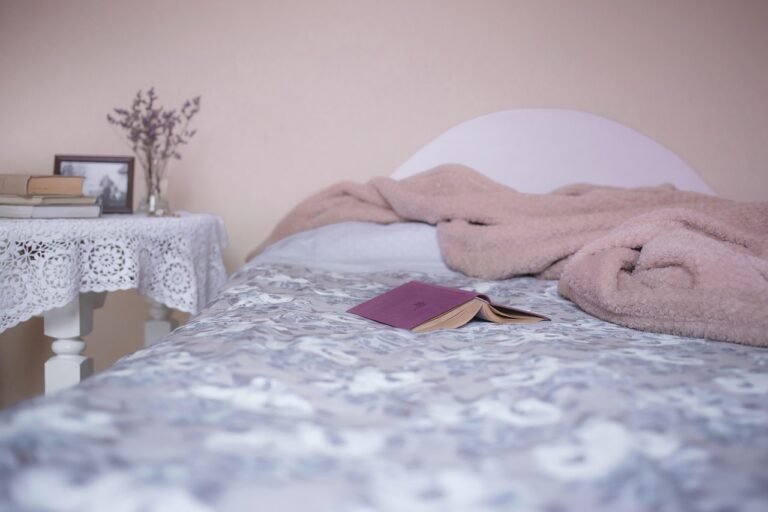

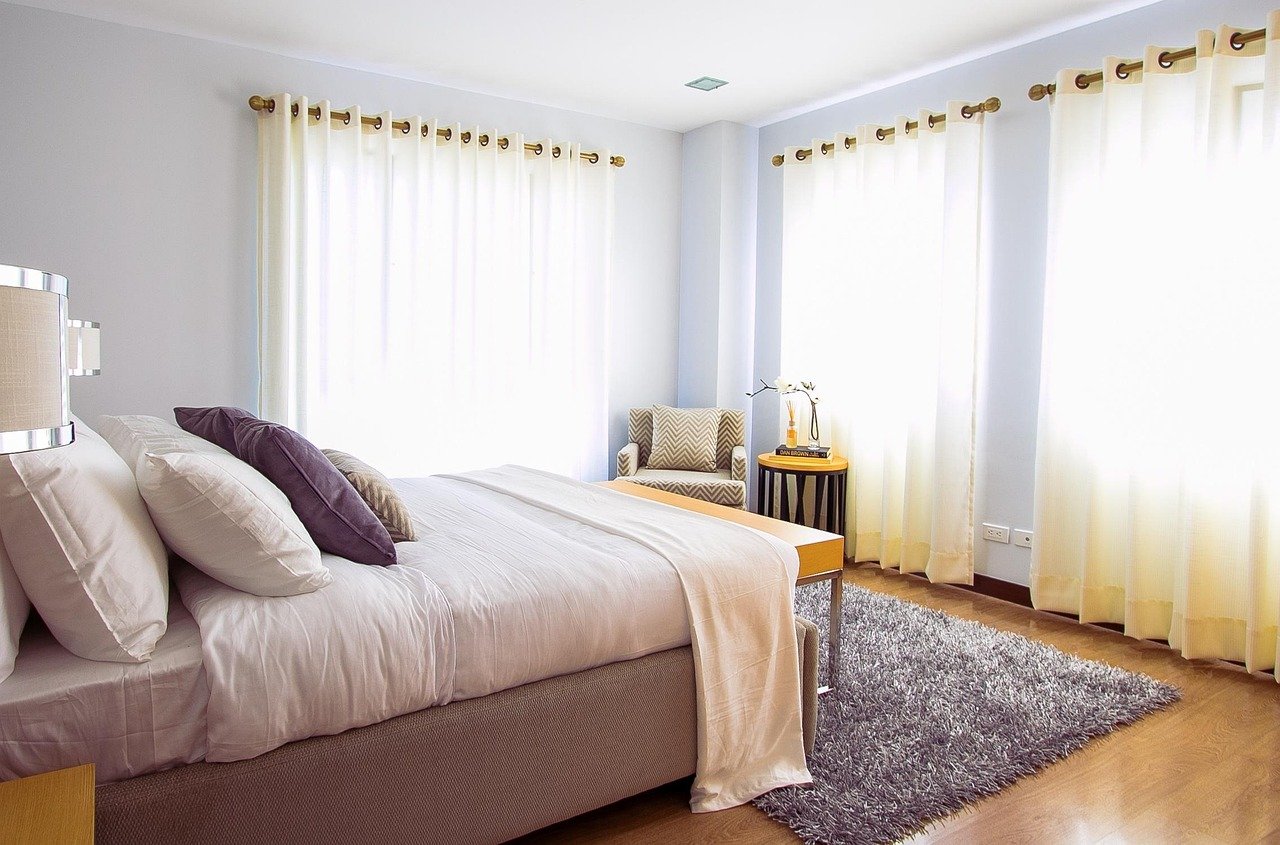
A fitted sheet, adjustable warmth, and finishing textiles create an inviting bed without trapping heat under unnecessary bulk. A crisp fitted sheet, breathable quilt, and folded throw blanket give a plain mattress visible depth and a settled look.
You’ll learn a practical order for sheets, quilts, duvets, pillows, and finishing layers, along with fabric choices, sizing, budget priorities, and a fast daily routine.
Layered Bedding Works as a Comfort System
A cozy bed needs visible depth, yet every textile also needs a job. Layered bedding separates sleep-facing pieces from daytime finishing pieces, so you can remove warmth, shift texture, or clear decorative items before bed.
Your lean setup needs 3 parts: a fitted sheet, 1 main warmth layer, and 1 finishing textile. The main layer can be a duvet, comforter, quilt, or blanket, while a throw blanket adds softness at the foot without staying on the bed overnight.
Sleep Layers Shape Nighttime Comfort
The textiles against your body affect heat, texture, and laundry frequency. A fitted sheet anchors the mattress, while a flat sheet (top sheet), quilt, duvet cover, or comforter forms the upper sleep surface.
You can keep the arrangement to 3 to 5 core pieces. Each added layer brings extra weight, laundry, and a morning task, so a cozy bed should feel easy to enter rather than like fabric to wrestle before sleep.
Finishing Layers Add Daytime Depth
Euro shams, a lumbar pillow, and a folded coverlet frame the bed from the doorway. These pieces work best as removable daytime details, leaving your sleep surface clear within seconds at night.
Your bed skirt can hide a metal frame or under-bed storage. Limit decorative pillows, since a clean edge around the mattress looks calmer than a crowded mound of cushions.
Each Bedding Piece Has a Different Job
A duvet and a duvet cover are separate pieces. The duvet is the filled insert that supplies loft, while the duvet cover is the removable shell around it, a distinction that stops you from stacking 2 bulky warmth layers with the same purpose.
| Piece | Main role | Where it sits |
|---|---|---|
| Fitted sheet | Protects the mattress and forms the base surface | Directly over the mattress |
| Flat sheet | Adds a washable barrier between your body and upper layers | Above the fitted sheet |
| Duvet and duvet cover | Supplies adjustable loft with a washable outer layer | Above sheets or a light blanket |
| Comforter | Provides sewn-in warmth in 1 finished piece | Above sheets |
| Quilt or coverlet | Supplies light warmth or a tailored daytime top layer | Over sheets or folded across the foot |
| Throw blanket | Adds texture and spot warmth | At the foot or across 1 corner |
A comforter has fill sewn into its outer fabric, so it goes straight on the bed. A quilt has stitched layers and less loft, which suits a warm room or a sleeper who dislikes a cloudlike top layer. A coverlet is lighter still and tends to stop above the bed skirt.
Removable Covers Make Laundry Easier
Your duvet cover changes the room’s color and texture without replacing the insert inside. It also shields the fill from body oils and makes laundering less demanding than washing a full comforter. Brooklinen, Parachute, and The Company Store sell covers and inserts separately for this reason.
Use a duvet as the dominant warmth layer or use a quilt as the dominant warmth layer for most nights. Placing both flat across the entire mattress can trap heat and flatten the drape that gives bed layering its polished shape.
Throws Finish the Bed Rather Than Warm It
A throw blanket belongs near the foot rather than tucked under your chin, unless your room runs cold. Fold it in thirds for a neat horizontal band, or drape it diagonally across a lower corner for a relaxed look.
That division of labor sets the correct order for layering bedding. Each piece needs a practical place, moving from mattress protection through nighttime warmth to daytime texture.
A Mattress-to-Foot Order Keeps Layers Usable
Start at the mattress and work upward, stopping before the stack feels too warm for sleep. This order keeps washable textiles close to your body and leaves decorative pieces where you can remove them in seconds.
The Standard Bed-Making Sequence
- Fit the sheet Pull the fitted sheet taut over all 4 mattress corners so wrinkles do not bunch beneath your hips.
- Add the top sheet Place the flat sheet over the fitted sheet, leaving 6 to 10 inches at the head.
- Place light warmth Lay a blanket or quilt above the sheet only where your room needs another insulating layer.
- Center the duvet Spread the duvet or comforter evenly, leaving equal overhang along both mattress sides.
- Finish the foot Fold a coverlet or throw blanket across the lower third, where it adds depth without covering the pillows.
You do not need every piece in that sequence. A queen bed in a heated apartment can use a fitted sheet, flat sheet, duvet, and throw, while a drafty older house can need a wool blanket between the sheet and duvet.
Leave the throw untucked. Your feet need room overnight, and a loose finishing layer takes less time to shake out in the morning.
A Top-Sheet-Free Setup Reduces Bulk
Gen Z’s reduced use of top sheets reflects a preference for fewer pieces and faster laundry rather than poor bed-making. Skip the flat sheet where your duvet cover or quilt is washable enough to serve as the skin-facing upper layer.
Your top-sheet-free order can include a fitted sheet, lightweight quilt or washable duvet cover, main warmth layer, and removable throw. This setup suits minimalist sleepers, renters with limited linen storage, and anyone who dislikes a sheet twisting around their legs.
How to layer bedding for a cozy bedroom comes down to controlled warmth rather than sheer volume. Once the order is set, fabric weight decides whether your bed feels insulated or stuffy at 2 a.m.
Fabric Weight Should Match Your Sleep Habits
Two lighter layers give you more temperature control than 1 dense comforter because heat moves through a bed in small, cumulative layers. Cotton and linen release heat well, wool adjusts across a broad temperature range, and down inserts add loft with little physical weight.
| Sleep situation | Useful fabric mix | Practical setup |
|---|---|---|
| Hot sleeper | Percale cotton, linen, light cotton quilt | Fitted sheet, optional flat sheet, quilt, thin throw |
| Cold sleeper | Cotton sheets, wool blanket, down or down-alternative insert | Sheets, blanket, duvet, folded coverlet |
| Different sleep temperatures | Breathable sheets, separate throws, medium duvet | Shared center layer with individual foot layers |
| Humid climate | Linen, cotton, washable cotton quilt | Skip heavy synthetic fill and use a light top layer |
| Strong seasonal shifts | Cotton sheets, wool, 2 insert weights | Swap the insert while keeping the cover and sheets |
Your room’s humidity matters as much as its thermostat setting. Linen feels airy because its fibers sit away from the skin, while dense polyester fill can hold heat and moisture. Look for OEKO-TEX Standard 100 labeling where you want confirmation that a finished textile has been screened for a defined list of harmful substances.
Separate Warmth Helps Shared Beds
Shared beds become difficult where 1 side needs more insulation than the other. Keep a medium-weight duvet across the mattress, then give the colder sleeper a wool throw or narrow blanket on that side. You avoid the nightly tug-of-war that begins with a single oversized cover.
European down refers to down sourced from European waterfowl, and quality varies by fill power, cluster size, and construction. Fill power describes loft rather than automatic warmth, so a 650-fill-power insert can suit your bedroom where its weight fits the season.
Proportion and Texture Add Visual Depth
Once nighttime comfort is settled, visible edges handle the styling. Crisp cotton sheets beside a nubby knit throw create more depth than 5 competing colors because your eye catches changes in surface and shadow.
A Limited Palette Keeps the Bed Calm
Your palette can stay within 3 related tones, such as ivory, camel, and muted olive. Another route uses complementary colors in small doses, such as slate blue with rust in a lumbar pillow. IKEA neutral coverlets show how a quiet base leaves room for 1 stronger accent.
Textural fabrics carry the room even with an all-white bed. Washed linen looks relaxed, matelasse adds a raised stitched surface, velvet gives a darker low sheen, and a wool knit supplies a soft irregular edge. Use 2 or 3 textures rather than every texture available.
Extra Width Gives the Bed a Fuller Drape
A duvet looks fuller where it extends beyond the mattress edge rather than stopping at the side seam. Size up where the frame and room allow: a queen duvet can suit a full bed, while a king duvet can give a queen mattress a deeper drop.
| Bed size | Daytime proportion | Pillow arrangement |
|---|---|---|
| Twin | Keep the coverlet 2 to 4 inches above the floor | 1 sleeping pillow, 1 sham, 1 lumbar pillow |
| Full | Use a duvet wider than the mattress for visible side drape | 2 sleeping pillows, 2 shams |
| Queen | Allow 12 to 16 inches of side drop where possible | 2 to 4 sleeping pillows, 2 Euro shams |
| King | Use a wide coverlet so mattress corners do not show | 2 king pillows, 2 or 3 Euro shams |
| California king | Check length as well as width before sizing up | 2 California king pillows, 1 lumbar pillow |
How to make a bed look luxurious depends less on a towering pillow stack than a clean silhouette. Keep 2 to 4 sleeping pillows for actual support, then use shams only where they fit the mattress width. A single lumbar pillow or a small pair of decorative pillows completes the arrangement.
Buying only the pieces that earn a place on the bed prevents decorative extras from absorbing the budget.
A Budget Plan Keeps Spending Focused
Spend your bedding budget closest to your skin. Sheets, sleeping pillows, and the main warmth layer shape sleep every night, while Euro shams and throw blankets can arrive later without changing comfort.
Core Pieces Merit the Larger Share
- Choose durable sheets Put more of your budget into cotton or linen sheets that fit your mattress depth without slipping.
- Fund sleeping pillows Select pillows for neck support before spending on Euro shams or decorative accents.
- Choose adjustable warmth Pick a washable quilt or duvet system that fits your room rather than a showroom display.
- Reuse existing textiles Fold a quilt you already own across the foot rather than adding another full bed layer.
- Use texture sparingly Add 1 knit or woven throw to make neutral bedding feel finished without extra colors.
You can make modest pieces look intentional through proportion and folding. A coverlet folded to reveal 8 inches of duvet forms a tidy band of contrast, while 1 off-center throw looks deliberate and 2 random throws can look abandoned.
A Two-Minute Routine Keeps the Bed Practical
Pull the main layer straight from the foot toward the head, then smooth it with both hands. Fold back the coverlet or throw, stand sleeping pillows upright, and place only the pillows that stay on the bed. Store excess decorative pillows in a bench, basket, or closet shelf.
Your cozy bedroom bedding ideas need to survive a rushed weekday morning. A bed that takes 2 minutes to reset looks better across the week than an elaborate arrangement that stays undone after Tuesday.
Final Look
The strongest setup serves your sleep before it serves the room. Give every textile a job, keep warmth removable, use proportion for fullness, and limit the pillow count to pieces you will move each day. Your bedroom gains a softer appearance without turning bedtime or morning cleanup into a chore.
FAQ
What is the correct order for layering bedding?
Place the fitted sheet on the mattress, then add a flat sheet where you use one. Put a lightweight blanket or quilt above it where needed, followed by a duvet or comforter. Finish with a coverlet or throw blanket at the foot, where it adds daytime texture without crowding your sleep space.
How many layers do you need to make a bed feel cozy without overheating?
Use 3 to 5 core pieces: a fitted sheet, an optional flat sheet, 1 main warmth layer, and a coverlet or throw blanket. Hot sleepers can stop at a light quilt, while cold sleepers can place a wool blanket under a duvet. Your room temperature and humidity should set the final layer count.
What is the difference between a duvet, comforter, quilt, coverlet, and blanket?
A duvet is a filled insert used inside a duvet cover, while a comforter has sewn-in fill and an outer shell in 1 piece. A quilt has stitched layers with less loft, a coverlet is a light daytime layer, and a blanket adds functional warmth between sheets and a duvet.
How should pillows, shams, and lumbar pillows be arranged on a layered bed?
Place sleeping pillows against the headboard or wall, then set shams or Euro shams in front of them. Use 1 lumbar pillow across the center or 2 small accent pillows. Your pillow stack should fit the bed width and take less than a minute to remove before sleep.
What bedding fabrics are best for a cozy bedroom in warm and cold seasons?
Percale cotton and linen suit warm or humid rooms because they release heat well. Cotton sheets with a wool blanket and down or down-alternative duvet suit cooler rooms. For strong seasonal temperature shifts, keep the same duvet cover and swap between 2 insert weights.
How can you style layered bedding on a budget?
Put your spending toward sheets, sleeping pillows, and the main warmth layer. Use a quilt already in your home as a folded foot layer, then add 1 textured throw blanket. A coverlet folded to show 8 inches of duvet adds depth without requiring a large pillow stack.