

Side sleeping puts real pressure on your neck, shoulders, and lower back, and a poorly matched pillow makes that worse. The right support pillow fills the gap between your ear and the mattress, keeps your spine level, and lets you wake up without that morning stiffness. This roundup walks through eight shapes worth a look, from classic contour cervical pillows to crescent shoulder-friendly designs, plus a between-the-knee option and a soft velvet case. Each pick solves a slightly different sleep problem, so match the shape to how you actually rest, not just how a listing looks.
The Picks In Brief

Ylekto Cervical Neck Pillow for Pain Relief – Contour Memory Foam Pillows for Sleeping, Ergonomic Pillow Side Sleeper Pillow for Neck Support, Bed Pillow for Side Back Stomach Sleepers(Grey)
Ylekto Cervical Neck Pillow for Pain Relief – Contour Memory Foam Pillows

Side Sleeper Pillows for Neck & Shoulder Comfort – Ergonomic Curved Crescent Design, Adjustable Shredded Memory Foam, Cooling & Soft Cover, Extra Fill Included, Queen Size

Cervical Neck Pillow for Pain Relief, Bed Pillows for Sleeping, Ergonomic Cooling Pillow, Orthopedic Contour Pillow for Side Back Stomach Sleepers,Neck Support Memory Foam Pillows with Pillow Covers

Cervical Neck Pillow for Pain Relief, Bed Pillows for Head Neck Shoulder Support, Ergonomic Cooling Pillow, Orthopedic Contour Pillow for Side Back Stomach Sleepers,Neck Support Memory Foam Pillows
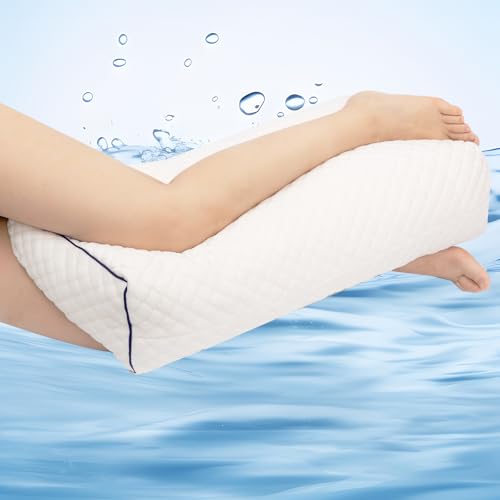
MINUPWELL 6.5″ Knee Pillow for Side Sleepers – 100% Shredded Memory Foam Leg Pillow for Side Sleeping – Between Leg & Under Hip Pillow – Relieving Leg, Back, and Knee Pain – High Supportive
Side Sleeper Pillow with Ear Hole – Ergonomic J-Shaped Swan Pillow for Neck Support & Spine Alignment – Memory Foam Support for Pressure Relief – Perfect for Side Sleeping Adults – With Velvet Cover

The Outdoor Optimist Side Sleeper Velvet Pillowcase, Gray, Standard
More On The Choices That Made The List
Side sleepers with broad shoulders often find standard pillows too thin, so their neck tilts and they wake up sore. The Ylekto contour pillow tackles that with two distinct loft options built into a single piece, letting you flip between a 5.5-inch taller side and a 4.1-inch lower side depending on how you sleep that night.
The contoured memory foam (a foam that molds to your head’s shape using body heat) cradles the curve of your cervical spine while a raised edge fills the shoulder gap. Compared to flat pillows, this design reduces the angle your neck has to bridge. You may find the foam firmer than expected during the first week, which is a common adjustment period for orthopedic shapes.
Everyday Wins
- Two built-in loft heights let you test what works without buying a second pillow
- Contoured edges keep your head from rolling off-center during the night
- Memory foam holds its shape across years of nightly use for most owners
- Works for side, back, and stomach sleepers, so shared beds can standardize on one pillow
Points To Keep In Mind
- Memory foam can sleep warm without a breathable cover, which may bother hot sleepers
- The 5.5-inch side feels tall for smaller-framed users
- Initial off-gassing (a temporary chemical smell from new foam) usually fades within a few days of unboxing
Whose Shelf It Belongs On
Broad-shouldered side sleepers and combination sleepers who want a single pillow that adapts to different positions.
Look Elsewhere When
You wake up with hot flashes or live in a warm climate, since the HAMYODO cooling cover (pick 4) handles heat more gracefully.
While pick 1 solves loft variety, this Ylekto model focuses on shape geometry. The hollow butterfly center, meaning a recessed area shaped to nestle the back of your skull, gives your head a defined resting pocket while the raised side wings support your neck’s natural curve. Side sleepers who feel their head “sinks too deep” into traditional memory foam often prefer this sculpted approach.
The pillow’s patented geometry keeps the cervical spine in line, which matters if you spend mornings rubbing a stiff neck. The foam density feels medium rather than sinky, so your head doesn’t bottom out. For most people the firm support is a feature, though stomach sleepers may find even the lowest curve too high.
Standout Benefits
- Hollow center cradles the skull without pushing the chin toward the chest
- Raised wings keep your head from drifting sideways during deep sleep
- Patented contour means consistent neck alignment across many months of use
Honest Caveats
- Fixed shape means no flipping for a lower profile, unlike pick 1
- Stomach sleepers typically find the contour too tall for face-down comfort
Feature Snapshot
Made For
Side sleepers with persistent neck stiffness who want a sculpted, geometry-driven pillow rather than a flat fill bag.
Skip It When
You change positions all night, in which case the dual-height Ylekto contour pillow (pick 1) is more forgiving.
Traditional rectangular pillows push into your shoulder when you lie on your side, tilting your whole upper body. The btasleeep crescent solves that with a curved, moon-like silhouette that leaves deliberate space for the shoulder to nestle below. The result is a pillow that feels like it was cut specifically for the side-sleeping position.
Inside, shredded memory foam (foam broken into small pieces for a moldable feel) lets you add or remove fill to dial in your exact height. Extra fill ships in the box, which most owners appreciate during the break-in weeks. The cooling cover helps if you run warm, though the shredded fill still traps some heat compared to solid foam picks 4 and 5.
What Makes Sense
- Crescent curve creates genuine shoulder room, something rectangular pillows cannot offer
- Adjustable fill means you fine-tune height over time as your preferences shift
- Extra fill included, so you don’t have to order more to find your sweet spot
- Cooling cover helps with mild temperature regulation
Less Ideal Details
- Crescent shape doesn’t suit back or stomach sleeping positions
- Shredded fill needs occasional fluffing to maintain even support
Quick Facts
Right Fit For
Side sleepers who feel traditional pillows crowding their shoulder and want a shape built around that specific problem.
Swap It Out When
You rotate onto your back at night, because the Ylekto butterfly (pick 2) supports both side and back positions with one geometry.
Heat is the silent killer of a good pillow, and solid memory foam tends to trap warmth against your face. The HAMYODO contour pillow addresses that with a dedicated cooling pillowcase that wicks heat away from the surface. The contour itself follows the classic cervical curve, so your head sits in a defined channel rather than floating on a flat plane.
This is a versatile pick for sleepers who don’t stay in one position all night. You can lie on your side, roll to your back, or flip to your stomach without losing the contoured support zone. For most people the cooling effect is subtle rather than dramatic, but it’s a meaningful upgrade over a standard cover in summer months.
A Few Strong Suits
- Cooling cover reduces surface heat, helpful in warm bedrooms
- Contoured design supports all three main sleep positions
- Memory foam core holds its supportive shape across years for most owners
Things To Weigh
- Cooling effect is mild compared to active cooling mattress toppers
- Fixed contour height, no flip option for a lower profile
At A Glance
Best Suited To
Hot sleepers who want cervical contour support without the heat trap of solid foam under a standard pillowcase.
Not Your Match When
You want adjustable fill, since the btasleeep crescent (pick 3) lets you remove and add filling to fine-tune loft.
The sibling to pick 4, this HAMYODO contour shares the same cooling cover and orthopedic geometry but leans further into head, neck, and shoulder support as a combined unit. If you carry tension across the top of your shoulders, the wider support surface spreads pressure more evenly than narrow cervical shapes.
The contoured ridges sit higher than a standard pillow, so your neck fills the channel completely. You may find the firmness a little aggressive at first, especially if you normally sleep on a soft down pillow, but the trade-off is consistent alignment over months of use.
Useful Strengths
- Wider support zone accommodates shoulder tension better than narrow designs
- Cooling cover manages heat at the surface
- Works across all three primary sleep positions
- Memory foam retains its supportive height across years for most owners
Practical Considerations
- Higher ridge may feel firm for users accustomed to soft pillows
- Shape takes a few nights to feel natural if you’ve never used a contour pillow
Perfect Match For
Combination sleepers who carry tension in their upper shoulders and want one contour that handles multiple positions.
Reach For A Different Pick When
You want a softer feel, since the Ylekto dual-height pillow (pick 1) has a more forgiving loft on its lower side.
Side sleepers often forget that support happens below the neck, too. When your top leg drops forward, it pulls the hip out of alignment and creates lower back strain. The MINUPWELL knee pillow sits between your knees (or under your hip) at 6.5 inches tall, keeping your legs stacked and your pelvis level through the night.
The shredded memory foam inside feels moldable yet dense, and a center seam keeps the pillow from sliding out of place when you switch sides. Compared to flat leg pillows, the height here supports a fuller length of the lower leg, not just the knee joint.
The Value In It
- 6.5-inch loft supports the full lower leg, not just the knee
- Center seam keeps the pillow anchored when you flip to your other side
- Shredded fill molds to your leg shape without going flat
Trade-Offs To Consider
- Stuffed fill may feel bulky under thinner sheets or in smaller beds
- Tossing and turning sleepers can sometimes dislodge the pillow despite the center seam
Key Product Details
Who Should Grab It
Side sleepers with lower back or hip discomfort who want their legs stacked and aligned through the night.
A Better Fit Elsewhere
You mostly need upper-body support, in which case the btasleeep crescent (pick 3) addresses shoulder pressure more directly.
For people whose ears ache after a full night pressed into foam, this MISTIC COOL design takes a different approach. A central ear hole creates a pressure-free pocket so your ear floats in open space rather than bearing your head’s full weight. The J-shaped body extends under your neck and arm, holding the spine in a gently curved line.
The velvet cover feels soft against the skin and adds a touch of temperature regulation. The shape takes some getting used to, because it’s noticeably more sculpted than the rectangular picks earlier in this list. You may find the learning curve worth it if ear discomfort has been a recurring issue.
Where It Helps
- Central ear cavity eliminates direct pressure on the ear
- J-shape supports neck and extends down toward the shoulder for full alignment
- Velvet cover feels gentle on sensitive skin
Potential Sticking Points
- Distinctive shape takes several nights to feel intuitive
- Not designed for back or stomach sleepers, side-only geometry
Who It Suits Best
Side sleepers with ear sensitivity, cartilage discomfort, or anyone who has avoided side sleeping because of ear pain.
Where Another Pick Suits Better
You sleep on your back as often as your side, since the HAMYODO contour (pick 5) handles both positions with the same shape.
Sometimes the fix isn’t a new pillow, it’s a new cover. The Outdoor Optimist side sleeper pillowcase is shaped to fit the curved cane-style pillows (like pick 7) like a glove, so it stays smooth without bunching. The velvet fabric feels noticeably softer than standard cotton against your cheek.
Velvet also tends to hold its shape through repeated washes better than loose-weave fibers, which is helpful if you launder covers weekly. This is purely an accessory, so you still need a compatible pillow underneath, but for owners already committed to a curved side sleeper, it elevates the nightly feel.
Everyday Perks
- Tailored shape keeps fabric taut over curved side sleeper pillows
- Velvet texture feels cool and smooth against sensitive skin
- Holds its shape through regular wash cycles for most owners
Small Caveats
- Designed for specific curved pillows, not a universal fit
- Velvet can show wear faster than cotton in high-friction use
Built With In Mind
Existing owners of curved side sleeper pillows who want a softer, more durable cover to refresh their setup.
Not Your Match When
You use a rectangular or contour pillow, since the MISTIC COOL ear-hole pillow (pick 7) is the matching shape for this case.
What Matters Most Before Choosing Support Pillows For Side Sleepers
Loft Height and Shoulder Width
Pillow height (called “loft”) is the single biggest factor for side sleepers. The pillow should fill the gap between your ear and the mattress so your neck stays horizontal. People with broader shoulders typically need taller pillows, around 5 to 6 inches, while smaller-framed sleepers often do well closer to 4 inches. If your chin tilts toward your chest at night, the pillow is too tall. If your ear drops toward your shoulder, it’s too thin.
Shape Geometry: Contour, Crescent, or Rectangular
Contour pillows use a raised edge and recessed center to cradle the head, which works well for neck alignment. Crescent shapes curve inward to make room for the shoulder, addressing a different pressure point. Standard rectangular pillows are versatile but rarely ideal for strict side sleepers. Your shoulder width and how much room you need at the joint should drive the shape decision.
Fill Type and Adjustability
Solid memory foam holds its shape longest and gives firm support, but it traps heat. Shredded memory foam is moldable and often comes with extra fill so you can tune the loft, though it needs occasional fluffing. Down-alternative fills feel soft but compress quickly under a side sleeper’s head. Cooling covers or breathable fabrics help in either case, especially for warm bedrooms.
Matching the Pillow to Your Sleep Pattern
Toss-and-turn sleepers benefit from forgiving shapes like dual-height or adjustable fill. Strict side sleepers with ear discomfort may want a specialized ear-hole design. If you also deal with lower back or hip tension, a between-the-knees pillow (like pick 6) layers in alongside a head pillow for full-body alignment. Picking the right combination matters more than picking a single perfect product.
Key Considerations Across These Picks
Common Shopping Slip Ups
A frequent mistake is buying a pillow based on softness alone, since plush fills compress under the head’s weight and leave the neck unsupported. Another trap is ignoring shoulder width and choosing a standard loft that works for an average frame but not yours. For most people, returning a pillow after a week of use is more common than expected, because the break-in period can mask fit issues until night four or five.
Where The Extra Money Goes
Higher-tier picks in this category tend to offer patented geometry, cooling fabrics, or adjustable fill systems rather than just denser foam. You pay for shape engineering and cover quality, which usually translates to longer-lasting support and better temperature control. The upgrade is worth it for nightly, long-term users, while a basic contour can serve a guest room or occasional sleeper well enough.