

A tortoise enclosure succeeds or struggles based on what’s underfoot. The right bedding supports healthy humidity, lets a tortoise burrow naturally, and cuts the weekly cleaning chore down to size. Substrate choice also shapes foot health over years, since tortoises walk on whatever you spread across the floor every day.
Shoppers who care for Mediterranean, tropical, or forest species have more options than ever, and the differences between cypress mulch, coconut coir, fir bark, and reusable liners matter. This roundup covers ten beddings commonly stocked on the retailer, with notes on which species and enclosure styles each one actually serves.
A Side-By-Side Look

Galapagos Cypress Tank Mulch Forest Floor Bedding, 8-Quart
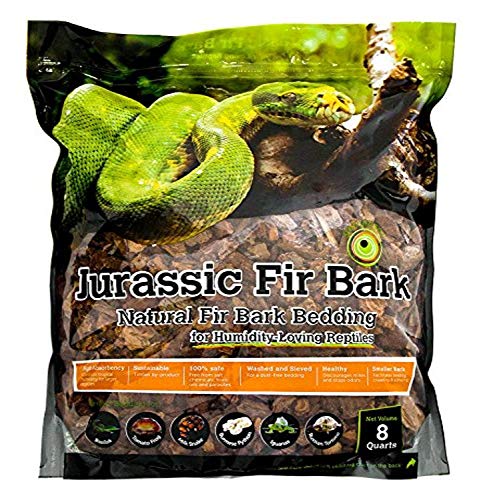
SuperMoss Galápagos Jurassic Fir Bark Bedding, 8-Quart

Galápagos Tropicoco Husk Bedding, 8QT Compressed Brick

Multipet Tortoise Hay, 24oz

Legigo 4 Pack Coconut Fiber Substrate

ZeeDix 3 Rolls Reptile Carpet Coconut Fiber Mat

Fluker’s Premium Tropical Cypress Bedding, 10 Pound

Legigo 10LB Coconut Husk, 72QT Substrate
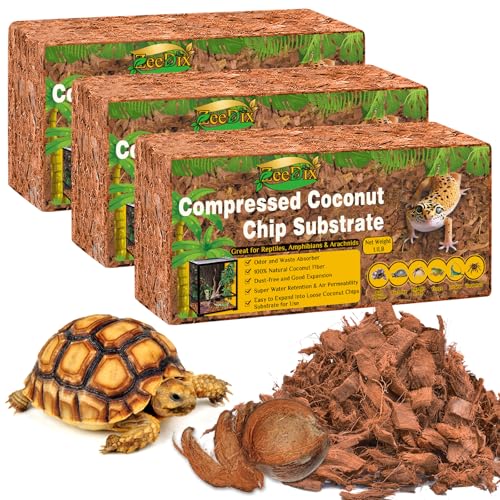
ZeeDix Coconut Husk Chip Substrate, 3 Pack

Uigidori Reptile Carpet Bedding, Cuttable Liner
More Details On Our Top Picks
Galapagos Cypress Tank Mulch is one of those substrates that quietly does its job without much fuss. The cypress pieces hold humidity well once misted, which makes a meaningful difference for tropical and forest-floor species. The 8-quart bag arrives resealable, so leftover bedding stays usable for the next change rather than drying out in a plastic tub.
For a beginner setting up a single enclosure, this mulch is an approachable first substrate. It cushions feet, supports light burrowing, and pairs with sphagnum moss or the Tropicoco brick for keepers who want to fine-tune moisture. Compared to fir bark, cypress tends to feel a touch denser underfoot, which some tortoise keepers prefer for less spongy footing.
Advantages To Know
- Holds ambient humidity well, reducing how often you mist
- Natural cypress scent helps mask enclosure odors between cleanings
- Resealable bag keeps unused bedding fresh across changes
- Dense texture gives tortoises confident footing
Things To Consider
- Spot-cleaning requires sifting through chunks, which takes a few extra minutes per session
- Dry pieces can dull quickly in low-humidity rooms, so desert-style setups need more attention
Key Specs
Made For
Keepers of tropical and forest-floor tortoises who want a low-maintenance humidity-friendly substrate right out of the bag.
Consider Something Else When
Shoppers needing a higher-volume single brick for a sprawling tortoise table should look at Legigo 10LB Coconut Husk instead.
Jurassic Fir Bark earns its keep on dusty-free claims. The bark arrives washed and sieved (passed through mesh screens to remove fine particles), which is more meaningful than it sounds, since airborne substrate dust is a common irritant in closed enclosures. The smaller bark pieces also let smaller tortoises crawl and burrow without feeling like they’re swimming through chunks.
Keepers running bioactive setups with cleanup crews often reach for fir bark specifically. The pieces hold structure longer than loose coir, which means less compaction over weeks. The trade-off is that you get less fine material for digging species, so pairing it with a deeper base layer may help.
Strengths Worth Knowing
- Washed and sieved to reduce dust in the enclosure
- Smaller bark size suits smaller tortoises and juveniles
- Made from sustainable timber by-product, not freshly harvested trees
- Free from added salts, oils, and parasites, which protects sensitive feet
Worth Noting
- Less absorbent than coconut coir, so humidity-loving setups need regular misting
- Bark pieces can occasionally harbor waste, so monthly full swaps are wise
Best Suited To
Owners of forest-dwelling tortoises and bioactive keepers who want a structured, low-dust substrate that holds shape during burrowing.
Look Elsewhere When
Tortoise parents running dry grassland setups may prefer Multipet Tortoise Hay for an edible, lower-effort option.
The Tropicoco brick solves a real stocking problem. A compressed coconut-husk brick (dense, dehydrated coir that expands when water hits it) weighs almost nothing on the shelf, then fluffs up to roughly eight quarts once hydrated. For keepers without closet space for bulky bags, that’s a quiet win.
Coir (short for coconut fiber) is also one of the most humidity-stable substrates in this category, which is why it shows up across so many reptile care guides. Tortoises that need consistent moisture benefit from coir’s slow release. The honest read is that the prep step is real: you need a bucket and a few minutes to hydrate the brick before use.
Practical Advantages
- Compact brick form saves storage space before use
- High absorbency keeps ambient humidity stable for hours
- Processed without salts, oils, or parasites
- Sourced from renewable coconut husks, which appeals to eco-minded keepers
Trade Offs
- Requires hydration and breaking apart before placement
- Holds moisture well, which can invite mold if the enclosure is poorly ventilated
Feature Snapshot
Right Fit For
Reptile keepers who value tidy storage and want one of the most humidity-stable substrates available for tropical species.
Skip It When
Those who dislike the hydration prep should consider the ZeeDix Coconut Husk Chip Substrate for a more grab-and-go experience.
Tortoise Hay sits in a different category than the other picks here: it’s a feed, not a floor. Second-cut hay (the second harvest of the season, generally leafier and more nutrient-dense than first-cut) provides fiber and roughage that grassland species like sulcatas, Russians, and Greeks actively graze on throughout the day. The 24-ounce pouch is hand-packaged to filter out sticks, which sounds minor until you’ve tried to feed a tortoise hay full of sharp splinters.
Used as a supplemental feeding material rather than a primary substrate, hay supports the natural foraging behavior that keeps tortoises mentally engaged. Some keepers layer hay over a coir base for a hybrid setup, which combines grazing and burrowing in the same enclosure.
The Good Stuff
- Second-cut hay is richer in protein and vitamins than first-cut
- Hand-sorted to remove sticks and rough branches
- Supports natural grazing behavior in grassland tortoise species
- Lightweight and easy to portion out for daily feedings
Honest Caveats
- Not a substitute for burrow-friendly substrate
- Hay dries out quickly under heat lamps, so it needs regular rotation
Who It Suits Best
Grassland tortoise keepers looking for a daily edible supplement that doubles as enrichment and roughage.
A Better Fit Elsewhere
Shoppers needing a true floor substrate for burrowing should pick Galapagos Cypress Tank Mulch instead.
Legigo’s four-pack coir bricks are aimed at people who run multiple enclosures. Each brick weighs about 1.4 pounds and arrives compressed, so the whole box stores flat until you need it. Once hydrated, each brick expands into a soft coir substrate suitable for tropical species and humidity-loving tortoises.
The honest read is that this isn’t a single-enclosure buy. It’s a stocking-up buy, the kind of purchase a breeder, rescue, or multi-tank hobbyist makes once a year. For someone with one tortoise table, the larger Legigo 10LB brick makes more sense.
Positive Takeaways
- Four-pack format supports multiple enclosures or extended rotation
- Natural coconut fiber is gentle on tortoise skin and feet
- Compressed bricks save space on the shelf before hydration
- Coir holds humidity across longer misting intervals
Points To Keep In Mind
- More product than a single-enclosure keeper realistically needs
- Bricks must be hydrated one at a time, which takes planning
Quick Facts
Perfect Match For
Multi-enclosure keepers, breeders, and rescue operators who cycle through substrate faster than a single-tank household.
Reach For A Different Pick When
Single-enclosure tortoise parents will find a better yield-per-brick value in the Legigo 10LB Coconut Husk brick.
The ZeeDix rolls take a different approach from loose substrates. Each roll measures 16 by 36 inches and unrolls flat across the floor of a tortoise enclosure, where it can be cut to fit specific dimensions. The coconut fiber construction is breathable, water-retentive, and reusable across multiple changes.
Roll-out liners suit keepers who want a tidier substrate experience. There’s no sifting, no spreading, no dust cloud when you change things out. The trade-off is that burrowing tortoises don’t get the deep substrate experience that loose bedding provides, so this works best for species that don’t dig heavily.
Reasons It Performs
- Three rolls cover multiple enclosures or extended rotation
- Cuttable format fits custom enclosure shapes
- Coconut fiber breathes while retaining some humidity
- Easier spot-cleaning than loose substrate
Less Ideal Details
- Limited burrowing depth for digging species
- Edges may fray after repeated cleaning cycles
Whose Shelf It Belongs On
Keepers who prefer low-mess maintenance and run enclosures for non-burrowing tortoise species or juveniles.
Swap It Out When
Burrowing-heavy species like sulcatas do better on Galapagos Cypress Tank Mulch, which supports deeper digging.
Fluker’s twice-milled cypress bedding is the bulk option in this roundup. At ten pounds per bag, it covers substantial tortoise tables without forcing mid-month restocking. The milling process (mechanical grinding that breaks the wood into consistent, smaller pieces) produces a more uniform texture, which matters when you want predictable humidity across the enclosure floor.
The same bag works in both high-humidity and low-humidity setups, with the manufacturer noting that tropical habitats benefit from periodic misting while desert setups should stay relatively dry. That flexibility is genuinely useful for keepers who house multiple species with different humidity needs.
Where It Excels
- Ten-pound bag supports larger tortoise tables
- Twice-milled texture holds humidity evenly across the floor
- Adaptable to both tropical and dry enclosure styles
- Established brand with a long track record in reptile care
Small Caveats
- Heavier to ship and store than compressed bricks
- Large bag may sit open longer than smaller packages, so storage matters
Feature Snapshot
Who Should Grab It
Keepers running large tortoise tables or managing multiple enclosures who want fewer restocking cycles.
Another Choice May Suit
Small-enclosure keepers with limited storage will find the compressed Legigo 10LB brick easier to handle.
The single 10-pound Legigo brick expands to roughly 72 quarts once hydrated, which is one of the higher yields in this category. For keepers building out a new enclosure from scratch, that volume means one brick covers a substantial tortoise table without needing to combine multiple packages.
Coconut husk chips (larger, irregular pieces of coir rather than fine fiber) hold humidity well and resist compaction longer than finer substrates. The brick arrives compressed at roughly 12 by 12 by 5 inches, so storage is manageable even at this size. Worth noting: the hydration step requires a sizeable bucket.
Useful Touches
- 72-quart expanded yield covers large enclosures from one brick
- Coconut husk chips hold humidity across long stretches
- Resists compaction better than fine coir fiber
- Natural material without chemical additives
Trade-Offs To Consider
- Single large brick needs a sizable bucket for hydration
- Chip texture is rougher, which may not suit juveniles
Built With In Mind
Keepers setting up a new large enclosure who want a single, high-volume substrate purchase rather than multiple smaller ones.
Where A Sibling Pick Shines
Smaller enclosures and juvenile tortoises pair better with the finer Galapagos Cypress Tank Mulch.
ZeeDix’s three-pack of coconut husk chips is built for keepers who care about enclosure aesthetics alongside function. The chips range from 10mm to 35mm after expansion, which creates a varied, naturalistic floor that looks closer to a forest clearing than a uniform substrate. Three compressed bricks weigh about 1.1 pounds each, making the package manageable to store and ship.
The variable chip size isn’t just visual. Larger chips resist compaction and create air pockets that help with ventilation, while smaller chips fill in the gaps. That’s a meaningful difference for tropical setups where airflow matters as much as humidity.
Bright Spots
- Mixed chip sizes (10 to 35mm) create a naturalistic look
- Three-pack supports rotation across multiple enclosures
- Air pockets between chips support better enclosure ventilation
- Natural and organic material without chemical treatments
Factors To Consider
- Variable chip size may trap waste in deeper layers
- Less suitable for very small juveniles that struggle with larger pieces
Who Will Love This
Display-oriented keepers building naturalistic enclosures who want a substrate that looks as considered as the rest of the setup.
Not Your Match When
Juvenile tortoises and burrowing species do better on finer substrates like the Galapagos Cypress Tank Mulch.
The Uigidori liner closes out the roundup on a different note: it’s a synthetic mat, not a natural substrate. At 17.7 by 78.7 inches, the roll is generous enough to cut to fit nearly any enclosure footprint, with leftover material saved for the next change. The non-adhesive surface keeps claws from snagging, which is a real concern with some carpet-style liners.
Maintenance is the headline feature. A damp cloth or quick rinse under running water handles routine spot-cleaning, and the waterproof material doesn’t absorb waste the way loose substrate does. The honest read is that this trades the natural feel of mulch or coir for genuinely easier cleanup, which some keepers will gladly accept.
Well-Handled Touches
- Waterproof surface wipes clean without absorbing waste
- Non-abrasive texture is gentle on tortoise bellies
- Cuttable format fits custom enclosure dimensions
- Reusable across many cleaning cycles
Practical Considerations
- Doesn’t support burrowing or natural digging behavior
- Synthetic material lacks the humidity-buffering of natural substrates
Feature Snapshot
The Right Fit
Indoor tortoise keepers who want a washable, low-mess floor for non-burrowing species or quarantine enclosures.
Where Another Pick Suits Better
Burrowing species benefit more from the ZeeDix Coconut Husk Chip Substrate, which supports digging behavior.
What To Weigh Before Choosing Tortoise Substrate
Tortoise bedding choices hinge on three things: the species you keep, the humidity range you’re trying to maintain, and how much maintenance you can realistically commit to each week. Mediterranean and grassland species (Russian, Greek, sulcata, Hermann’s) generally do best on drier substrates that allow some burrowing. Tropical species (red-footed, yellow-footed, Burmese black) need moisture-retaining options that hold humidity without becoming waterlogged.
Substrate depth matters more than most beginners expect. Aim for at least three to four inches for species that burrow, which means a single 8-quart bag covers less than you’d think. The compressed bricks in this roundup expand substantially once hydrated, so a 72-quart yield often covers a full tortoise table setup.
Texture affects foot health. Fine particles can cause impaction (a dangerous digestive blockage from accidental ingestion) in species that sample their environment, while overly coarse chips can stress small juveniles. For most keepers, a middle-ground texture like the Galapagos Cypress Mulch or the Jurassic Fir Bark strikes a workable balance.
Maintenance reality deserves honest consideration. Loose substrates need spot-cleaning several times a week and full changes every few weeks. Reusable liners trade natural feel for dramatically easier cleanup. Hay requires daily rotation since it dries out and grows moldy quickly. Match the substrate to the cleaning schedule you’ll actually keep.
Key Considerations Across These Picks
Traps First Timers Fall Into
The most common mistake is choosing substrate based on appearance rather than humidity needs. A pretty fir bark setup looks great but fails in a tropical enclosure that needs 70%+ humidity, since bark dries out fast. Conversely, packing a dry grassland setup with moisture-rich coir invites shell and respiratory issues. Match the substrate to the climate you’re actually creating, not the look you want.
Another frequent error is underestimating depth. Shallow substrate layers don’t hold humidity, don’t support burrowing, and get soiled faster. Build up at least three inches for non-burrowers and four or more for diggers. Compressed bricks expand significantly, so plan volume carefully before placing the order.
When Paying More Pays Off
Higher-tier substrates earn their premium through processing. Twice-milled cypress produces more uniform pieces, washed and sieved fir bark cuts airborne dust, and compressed coir bricks skip the storage headache of bulky bags. For keepers with sensitive species, allergy concerns, or limited closet space, the upgrade from entry-level to mid-range bedding often pays back in cleaner enclosures and easier maintenance. For multi-enclosure households, bulk options reduce restocking trips and per-use cost across the year.
Frequently Asked Questions
How often should tortoise bedding be fully changed?
Most loose substrates need a full change every four to six weeks, with spot-cleaning several times per week. High-humidity setups may need more frequent changes since moisture accelerates breakdown. Reusable liners extend that cycle since they get washed rather than replaced.
Is coconut coir safe for all tortoise species?
Coconut coir is generally safe across species, though the suitability depends on humidity needs. Tropical and forest species thrive on it. Dry grassland species can use it as a base layer, but it should stay relatively dry to match their natural environment. Always provide a basking zone that dries out regardless of substrate choice.
Can I mix different substrates together?
Yes, mixing is common in bioactive setups. A popular combination pairs coconut coir for humidity with fir bark for structure, or cypress mulch with sphagnum moss in humid hides. Mixing lets you tune moisture retention and texture to specific enclosure zones.
How deep should tortoise bedding be?
Three to four inches is a practical minimum for most adult tortoises. Burrowing species like sulcatas and Russian tortoises benefit from five or more inches, especially in outdoor enclosures. Depth supports natural digging behavior, helps with humidity stability, and reduces how often waste reaches the enclosure floor.
What’s the difference between cypress mulch and fir bark?
Cypress mulch is denser, holds humidity longer, and resists decay in damp conditions. Fir bark is lighter, more structured, and often washed to reduce dust. Cypress suits consistently humid setups, while fir bark works well in setups with moderate humidity and good ventilation. Both are safe for tortoises when properly prepared.
The Takeaway
The right bedding for your tortoise comes down to matching substrate properties to species needs, enclosure size, and your maintenance habits. Cypress mulch and coconut coir handle most tropical setups well, fir bark suits forest-floor species, hay supports grazing behavior, and reusable liners serve keepers who prioritize cleanup simplicity. Start with your tortoise’s humidity range and work outward from there, and you’ll land on a substrate that supports healthy behavior without weekly hassle.