
A good night’s rest depends on more than a supportive mattress, since the layers between your skin and that mattress shape temperature, texture, and how easily you drift off. The right bedding for sleep keeps you cool on humid nights, warm on cold ones, and comfortable whether your bed is at home or in a hostel bunk.
This roundup covers nine options across two practical categories: cooling comforters designed for hot sleepers and night sweats, and ultralight travel liners built for hostels, hotels, and camping. Each pick below is reviewed for fit, trade-offs, and the specific situations where it earns its place.
The Shortlist At A Glance

DOWNCOOL Cooling Comforter Queen Size

MongByYa Sleeping Bag Liner

MongByYa Travel Sheet Liner

EASELAND Cooling Comforter Queen

EASELAND Q-MAX 0.45+ Comforter

JAICOM Sleeping Bag Liner

JAICOM Travel Sheet Liner

JAICOM Ultralight Liner
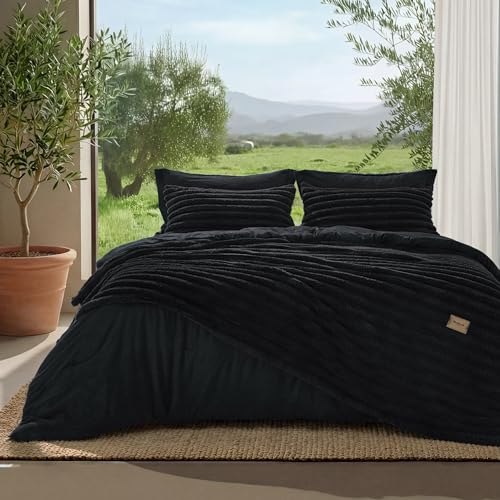
Bedsure Gentlesoft 2-in-1 Comforter Set
A Breakdown Of The Leading Choices
Hot sleepers who run warm even with the AC on know the slow creep of a stuffy comforter at 2 a.m. The DOWNCOOL Cooling Comforter tackles that problem with a dual-side construction, meaning both faces of the blanket use the same cooling weave rather than a warm reverse side. At 90″x90″ it drapes a queen mattress with enough overhang to tuck without bunching.
The fabric leans on cooling fibers with a Q-Max value above 0.4, which is a measurement of how quickly a textile pulls heat away from your skin. For context, standard cotton sits well below that range, so the difference is noticeable on first contact. The result is a comforter that feels crisp on bare arms and helps night sweat sufferers stay dry through humid stretches.
Where It Helps
- Dual-side construction keeps the cool-to-touch feel consistent no matter how you flip it
- Lightweight fill makes it usable through summer without overheating
- Queen dimensions leave enough overhang to tuck around the mattress edges
- Worth a look for anyone whose partner runs even warmer than they do
Things To Consider
- Cooling effect is strongest on direct skin contact, so a thick pajama layer softens the benefit
- Some owners mention the fabric needs a low-heat wash and air dry to maintain its finish
Key Product Details
Who It Suits Best
Side sleepers and night sweat sufferers in warm bedrooms who want a breathable comforter without sacrificing full coverage.
Where Another Pick Suits Better
The EASELAND Q-MAX 0.45+ Comforter is a smarter call if you want a higher Q-Max rating and plan to use the comforter through humid heatwaves.
Hostel bunk sheets, questionable hotel quilts, and cold airplane cabins all share one solution: a liner that packs small and adds a clean, personal layer. The MongByYa Sleeping Bag Liner weighs around 1.7 pounds and folds into its own pouch, so it slips into a carry-on or daypack without taking up real estate.
It’s made from polyester with a brushed finish that feels softer than the slick, shiny polyesters in cheaper travel sheets. Travelers who bounce between hostels in Southeast Asia or budget hotels in Europe often cite the same trade-off: the liner adds warmth on a cold night and shields against unfamiliar bedding.
What Works In Its Favor
- Packs down small enough for a side pocket of a 40L backpack
- Adds a hygienic barrier on hostels, planes, and guest beds
- Brushed polyester feels gentler than standard microfiber
Honest Caveats
- Polyester can feel clammy in very humid conditions, so mesh alternatives breathe better
- Not a substitute for a real sleeping bag below about 60°F
Right Fit For
Backpackers, hostel hoppers, and budget travelers who want clean bedding on the road without adding weight to their pack.
Skip It When
The JAICOM Travel Sheet Liner is a better match for sensitive skin, since its brushed-polyester weave aims for a softer hand-feel.
Sensitive skin changes the calculus on travel sheets. A standard microfiber liner can itch at the neck or leave a faint static charge, and the MongByYa Travel Sheet Liner exists for travelers who care more about touch than they do about grams saved. The polyester uses a sanding treatment that softens the surface fibers.
At the same weight class as the earlier MongByYa pick, it slips into luggage the same way and serves the same role. The practical difference shows up after a long flight when you finally zip into a hostel bed: the fabric feels closer to a soft cotton sheet than a nylon sack.
The Value In It
- Brushed fabric finish sits comfortably against bare arms and shoulders
- Useful in hot hostels where synthetic sheets trap less heat than a heavy blanket
- Easy to rinse in a hotel sink and hang overnight
A Few Limitations
- Same humidity concern as other polyester liners, since the fabric doesn’t wick as well as mesh
- Less insulating than fleece-lined liners for cold mountain huts
Built With In Mind
Travelers with sensitive skin, light sleepers in unfamiliar beds, and anyone who values a softer hand-feel over maximum packability.
Reach For A Different Pick When
The JAICOM Sleeping Bag Liner offers a two-way zipper for foot venting, which works better for warm-climate travelers who run hot in their sleep.
The first DOWNCOOL pick established the category, and the EASELAND Cooling Comforter raises the bar with a higher Q-Max rating, above 0.45. That number, which measures the speed of heat transfer away from skin, is meaningfully higher than the standard 0.4 benchmark in many cooling comforters on the market.
The weave uses an Arc-chill finish, which refers to a smoother fiber surface designed to feel cooler on contact than brushed or peached finishes. Both faces carry the same treatment, so the comforter stays reversible for couples who share a bed. The shell carries an OEKO-TEX certification, meaning it’s tested for harmful substances, a useful note for anyone with reactive skin.
Noteworthy Benefits
- Higher Q-Max value than the DOWNCOOL, so heat moves away from skin faster
- 3D airflow weave promotes heat dissipation on humid nights
- OEKO-TEX certification supports sensitive-skin households
Points To Note
- Premium positioning may stretch budgets that the DOWNCOOL sits within more comfortably
- Cooling fibers can feel almost slick at first touch compared to brushed fabrics
Feature Snapshot
Made For
Hot sleepers in humid climates, particularly anyone whose existing comforter leaves them damp by morning.
A Better Fit Elsewhere
The DOWNCOOL Cooling Comforter is a smarter call for first-time cooling-comforter shoppers who want a lower entry point before stepping up.
The same EASELAND cooling construction lands again in a separate listing, and it suits a slightly different shopper. Where the previous EASELAND option leans into the performance story, this one earns its place for warm-season use on standard queen beds where humidity is the bigger issue than raw heat.
The fill is light enough to drape without trapping warmth underneath, so it works over a flat sheet on the hottest nights of the year. The double-sided weave is the same Arc-chill fabric, so flipping doesn’t reveal a warm face when you kick off the covers at 3 a.m.
What Pays Off
- Lightweight fill suits warm-weather use without overheating
- Reversible cooling on both sides of the comforter
- OEKO-TEX-tested fabric for households wary of chemical finishes
Worth Bearing In Mind
- Light fill offers little insulating value in winter, so it’s a seasonal piece
- Same slick hand-feel as the sister EASELAND option above
Best Suited To
Anyone who keeps a separate comforter for summer and wants a moisture-wicking upgrade over a standard cotton quilt.
Swap It Out When
The Bedsure Gentlesoft 2-in-1 Comforter Set is the smarter call for year-round use, since you can detach layers as the weather warms.
Most travel liners treat the zipper as a binary choice: fully enclosed or fully open. The JAICOM Sleeping Bag Liner uses a two-way zipper that opens from the foot end, so you can vent your feet on a warm hostel night without unzipping the whole bag. It’s a small detail that matters more than it sounds.
The shell uses brushed polyester for a softer feel than the slicker microfibers in some competing liners, which makes it comfortable in warm weather. A standard L-shape construction works for back, side, and stomach sleepers, and the whole liner packs into a small stuff sack.
What Makes Sense
- Two-way zipper lets you vent the foot end without losing torso coverage
- Brushed fabric finish feels softer on bare skin than standard polyester
- L-shape suits restless sleepers who shift positions at night
Some Limits To Know
- Polyester construction can feel clammy in very humid climates
- Limited insulation value, so it works best in warm hostels rather than alpine huts
Quick Facts
Whose Shelf It Belongs On
Warm-climate travelers, hostel sleepers, and anyone who runs hot in their sleep and appreciates foot-level ventilation.
Consider Something Else When
The JAICOM Travel Sheet Liner with mesh panels is the better call in sticky, humid environments where airflow matters more than a soft hand-feel.
Humid hostels punish solid-fabric liners, since they trap body moisture against your skin. The JAICOM Travel Sheet Liner solves that with mesh panels that let air move across your back and shoulders while you sleep. The mesh adds breathability without making the liner feel rough against bare arms.
It measures roughly 86.6″x35.4″ and packs down to about 7.8″x3.9″ in its stuff sack. At around 1.2 pounds, it disappears into the bottom of a backpack and weighs less than a paperback book. For tropical Southeast Asia or a steamy summer hostel in southern Europe, that airflow makes the difference between a sticky night and a comfortable one.
Reasons It Performs
- Mesh panels improve airflow in humid environments where solid fabrics trap moisture
- Compact pack size fits easily in carry-on luggage or a daypack
- Useful for tropical travel where conventional liners feel clammy
Practical Considerations
- Mesh panels offer minimal insulation, so it’s a warm-weather piece only
- The texture is rougher than brushed polyester against sensitive skin
Who Should Grab It
Tropical travelers, hostel sleepers in hot climates, and backpackers who need maximum airflow over warmth.
Look Elsewhere When
The MongByYa Sleeping Bag Liner is the smarter pick for travelers who want a softer, more insulating layer in cooler conditions.
The third JAICOM listing serves a different buyer than the foot-vent or mesh versions. Where those options lean into specific scenarios, this one plays the everyday role: a general-purpose travel liner for anyone who moves between hotels, hostels, and Airbnbs without committing to one climate.
The construction uses a 100% polyester mesh-style weave that balances airflow and softness, and the same compact 7.8″x3.9″ pack size as the other JAICOM options. Frequent flyers, business travelers, and casual campers tend to gravitate toward this kind of do-it-all liner over a more specialized one.
The Upside
- Balanced weave handles a range of climates from mild to warm
- Compact pack size suits carry-on luggage, backpacks, and duffels
- Lightweight enough to pack as a backup layer year-round
Things That May Matter
- Not as breathable as the dedicated mesh JAICOM version in heavy humidity
- Not as soft as the brushed-fabric JAICOM liner for sensitive skin
Perfect Match For
Frequent travelers, business trip regulars, and casual campers who want one reliable liner rather than a specialty piece for every climate.
Where A Sibling Pick Shines
The JAICOM Sleeping Bag Liner with the two-way zipper earns its place for warm-climate travelers who want venting flexibility.
The Bedsure Gentlesoft 2-in-1 Comforter Set closes the list with a different design idea. Rather than committing to a single warmth level, it pairs a fluffy comforter with a detachable blanket that snaps on for winter and comes off for summer. The set includes two pillow shams and two pillowcases, so the bed is fully outfitted in one purchase.
Storage is a real plus, since compressing the set takes about half the closet space of two traditional comforters. That matters in small apartments, dorm rooms, and anywhere else where off-season bedding eats into usable square footage. The detachable design also makes it easy to wash only the part you actually need.
Positive Takeaways
- Detachable blanket adjusts warmth across four seasons without swapping bedding
- Compresses to roughly half the size of two traditional comforters
- Full set includes pillow shams and pillowcases for a complete look
Points To Keep In Mind
- Not a cooling comforter, so hot sleepers may still want a separate summer piece
- Detachable snap design adds bulk in winter mode, which can feel heavy on smaller beds
Feature Rundown
Who Will Love This
Apartment dwellers, dorm students, and anyone who wants one bedding set that works through every season without a closet overhaul.
Not Your Match When
The EASELAND Q-MAX 0.45+ Comforter is the smarter call for dedicated hot sleepers who need active cooling rather than a detachable layering system.
Choosing Beddings For Sleep That Actually Fit Your Routine
Picking bedding comes down to matching the product to your climate, your sleep temperature, and where you actually use it. Cooling comforters, liners, and all-season sets solve different problems, and the wrong pick in the wrong room creates more frustration than it solves.
Match The Material To Your Sleep Temperature
Hot sleepers benefit most from fabrics with a high Q-Max rating, which is a standardized measurement of how quickly a textile draws heat away from skin on contact. The DOWNCOOL and EASELAND comforters both target this metric, with EASELAND pushing past 0.45 for users who need more aggressive cooling. Travelers in humid climates get more value from mesh-paneled liners, since solid polyester can trap moisture against the skin.
Consider The Real Use Case, Not The Marketing
A comforter with detachable layers sounds versatile, but if you live in a consistently warm apartment, the winter snap-on feature becomes dead weight. A travel liner with mesh panels works beautifully in tropical hostels and poorly in alpine huts, so match the construction to the climate you actually sleep in. The right pick for a backpacker bouncing through hostels looks nothing like the right pick for someone outfitting a guest bedroom.
Sizing And Coverage Matter More Than Thread Count
A queen comforter at 90″x90″ gives enough overhang to tuck around a standard mattress, while smaller dimensions can leave cold gaps at the foot. Travel liners around 86″x35″ accommodate most adults up to about six feet tall, so taller sleepers should check measurements carefully. A two-way zipper matters more than fabric weight for people who run hot in their sleep.
Care And Storage Shape Long-Term Ownership
Cooling fibers generally need cooler wash cycles and air drying to maintain their finish, which adds a small amount of upkeep. Travel liners rinse easily in a hotel sink and dry overnight, but they need full drying before storage to avoid mildew. Detachable comforter sets compress more compactly than traditional bedding, which simplifies closet rotation through the year.
Key Considerations Across These Picks
Where Shoppers Go Wrong
A common mistake is choosing a cooling comforter based on marketing language rather than the Q-Max value, which is the actual measurement that predicts the cool-on-contact feel. Another trap is assuming a travel liner can replace a sleeping bag in cold conditions, since most liners add only a few degrees of warmth at best. Match the construction to the climate, not the category label.
When Paying More Pays Off
The jump from the DOWNCOOL to the EASELAND Q-MAX 0.45+ Comforter comes with a meaningfully higher Q-Max rating, which translates to faster heat transfer on a hot night. The detachable Bedsure 2-in-1 design costs more upfront but replaces two seasonal comforters and the storage space they consume. Spending up makes sense when the upgrade removes a real problem rather than adding a feature you’ll rarely use.
Frequently Asked Questions
How does Q-Max cooling actually work in bedding?
Q-Max measures how much heat moves from your skin into the fabric on contact, so higher numbers mean a faster cool-down sensation. The DOWNCOOL sits above 0.4 and the EASELAND pushes past 0.45, which is a meaningful step up for persistent hot sleepers.
Can a sleeping bag liner replace a real sleeping bag?
A liner adds a few degrees of warmth and keeps your sleeping bag clean, but it doesn’t insulate well enough for cold-weather camping. For alpine trips or shoulder-season backpacking, you still want a proper sleeping bag with an appropriate temperature rating.
Are cooling comforters safe for sensitive skin?
The EASELAND options carry OEKO-TEX certification, which means the fabric has been tested for harmful substances. Cooling finishes are generally inert, but if you have reactive skin, a low-heat wash before first use removes any residual finishing agents.
How do I wash a travel liner on the road?
Most polyester liners rinse clean in a hotel sink with a small amount of mild soap, then hang to dry overnight. Mesh-paneled versions dry faster than solid polyester, which is a useful edge in humid climates where overnight drying can be slow.
Will a detachable comforter set really save storage space?
The Bedsure 2-in-1 compresses to roughly half the size of two traditional comforters stored separately, since the two layers nest into one footprint. For small closets, dorm rooms, and shared spaces, that compression makes seasonal rotation much easier.
Bottom Line
The right bedding for sleep depends on where you sleep and how warm you run at night. Hot bedrooms pair well with a cooling comforter like the DOWNCOOL or the higher-rated EASELAND, while travelers and hostel sleepers get the most from a packable liner matched to the climate. The Bedsure 2-in-1 set is the most flexible option for year-round home use without the closet clutter of swapping comforters every season.