

A clean coop starts with what you spread across the floor, and the right bedding shapes everything from odor control to egg cleanliness. Backyard keepers juggling a small flock often wrestle with damp shavings, dusty nests, and lingering ammonia, especially through wet seasons. This roundup breaks down ten bedding and coop-refresher options built to keep hens comfortable, eggs intact, and maintenance low. Each pick is judged on absorbency, materials, ease of cleaning, and how well it fits a real backyard routine.
A Snapshot Of The Selections

MAQIHAN 10oz Chicken Nesting Herbs

Manna Pro Coop ‘N Compost Deodorizer 1.75 lb

Eaton Pet and Pasture Hemp Bedding 8 Lbs
Strong Animals Coop Recuperate Essential Oils 2pk
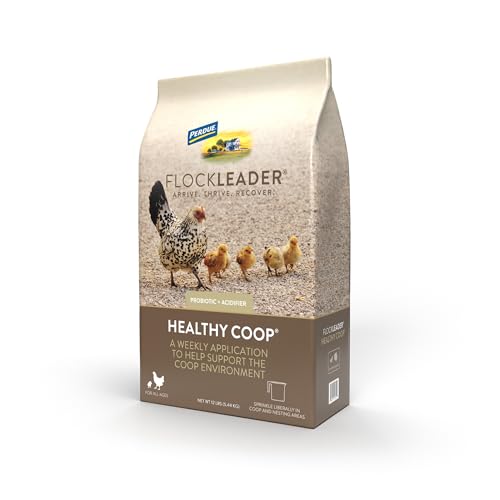
FlockLeader Healthy Coop Neutralizer 12lb

Standlee Flock Fresh Premium Poultry Bedding 2 cu ft

HoazHoald 21 Oz Chicken Nesting Herbs and Flowers
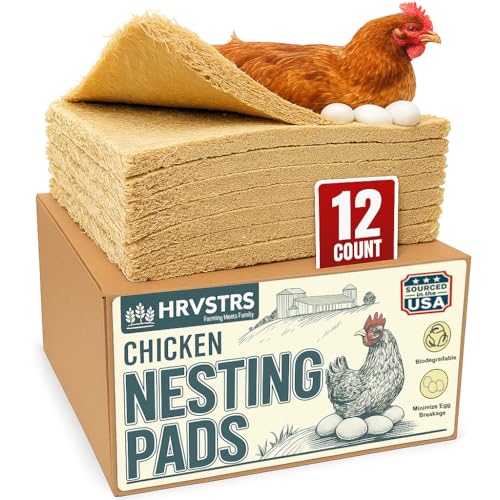
Trendiees Chicken Nesting Pads 12 Pack

Eaton Pet and Pasture Premium Nesting Herbs Blend
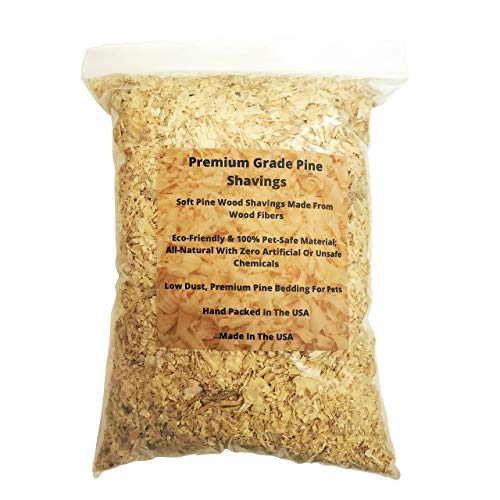
Wood Smith USA Premium Pine Bedding 4 Quart
A Breakdown Of The Leading Choices
This blend sits at the intersection of coop bedding and dietary supplement, which makes it a different kind of pick from the other options here. Rather than replacing your floor shavings, it sprinkles into nesting areas, feeders, or dust baths to give hens a measured dose of botanicals.
The mix includes basil, dandelion, calendula, chamomile, oregano, lavender, rosemary, and crushed oyster shells, eight components in total. The oyster shells pull double duty as a calcium source for laying hens. You can scatter it freely in the coop or blend it with regular feed, and in most small coops a single bag covers several weeks of light supplementation.
Bright Spots
- Combines aromatics with calcium in a single product
- Flexible placement works in nests, feeders, and dust baths
- Small 10-ounce size suits flocks of 4-8 hens
- Multiple herbs offer varied scent and nutritional profiles
Trade-Offs To Consider
- Not a true floor bedding, so it pairs with another option on this list
- Strong herbal scent may fade faster than dedicated odor-control products
- Some hens may pick around unfamiliar dried botanicals at first
Quick Facts
Right Fit For
Backyard keepers running a small laying flock who want a single product to combine aromatics and calcium support.
Skip It When
The Eaton Pet and Pasture Premium Nesting Herbs blend suits you better if you want a more curated aromatics mix with eco-focused packaging.
Manna Pro targets a problem every coop keeper faces: moisture that breeds ammonia. This product works as a coop-side additive rather than a floor covering, sprinkled on top of existing bedding to extend its life and neutralize odors.
The compost-friendly angle is a real differentiator. Unlike masking agents, the formula supports decomposition so used bedding breaks down cleanly when it moves to the garden. You may find the 1.75-pound tub well-matched to coops housing 4-10 birds, and owners commonly report less frequent full bedding changes when this is part of the routine.
Real-World Strengths
- Designed to extend bedding life between full changes
- Supports composting rather than landfill disposal
- Compact tub stores easily on a coop shelf
- Pairs with any standard shavings or straw base
Points To Keep In Mind
- Not a standalone bedding layer
- Requires reapplication after rain or heavy soiling
- Smaller tub may run short in flocks above 12 hens
Made For
Keepers who compost used bedding and want a treatment that fits a garden-friendly waste cycle.
Another Choice May Suit
The FlockLeader Healthy Coop Neutralizer suits larger flocks with heavier waste loads where more volume per tub matters.
Hemp hurd (the soft woody inner core of the hemp stalk) has earned a reputation as a high-performance bedding for moisture-heavy environments. Eaton’s offering is sourced from U.S.-grown hemp and marketed for chickens, rabbits, guinea pigs, and other small pets.
The claimed absorbency runs up to twice that of pine shavings, which translates in a real coop to fewer soggy patches under waterers and longer stretches between swaps. The low-dust profile also helps during dry winter months when airborne particles can aggravate both hens and the people cleaning around them.
Points In Its Favor
- Up to 2x the absorbency of standard pine shavings
- Low-dust profile supports respiratory health
- Works across chickens, rabbits, and small pets
- USA-grown sourcing for traceable supply
Honest Caveats
- Hemp bedding typically costs more per pound than pine
- Light color shows droppings more visibly than darker shavings
- May compact in tight corners if not fluffed regularly
Feature Snapshot
Who It Suits Best
Keepers managing mixed-species pens or anyone in a damp climate who wants premium absorbency without the dust.
Look Elsewhere When
The Wood Smith USA Premium Pine Bedding fits a tight budget better if absorbency above standard pine is not a priority.
Strong Animals leans into aromatherapy-style coop care, combining moisture absorption with organic eucalyptus and lemongrass essential oils. The two-pack format delivers a pair of 2.5-pound jugs, which works for keepers who’d rather not reorder every month.
You scatter it directly on the coop floor and bedding, where the formula tackles three jobs at once: pulling moisture, cutting ammonia, and laying down a botanical scent. The eucalyptus and lemongrass combination tends to feel cleaner than synthetic fragrance, and the dual-jug packaging keeps a backup ready during heavy-use seasons.
Noteworthy Benefits
- Combines moisture control with essential oil scent
- Two-jug pack reduces reorder frequency
- Organic eucalyptus and lemongrass listed as ingredients
- Scatter-application needs no special equipment
Worth Bearing In Mind
- Strong oils may bother hens sensitive to strong scents
- Not a substitute for regular bedding replacement
- Scent intensity fades between applications
Best Suited To
Coop keepers who want a refresher product that does double duty on moisture and smell without compost-stage claims.
Not Your Match When
The Manna Pro Coop ‘N Compost Deodorizer fits better if compost integration matters more than essential oil scent.
FlockLeader takes a different angle: instead of masking odor, the formula leans on probiotics, organic acids, and moisture absorbers that work at the bedding level. The 12-pound tub is built for keepers with a larger coop who go through treatments quickly.
The probiotics are dried through a process the maker claims keeps them viable through the entire shelf life. In a busy coop that sees daily waste, this approach may help bedding stay drier longer and reduce the ammonia that builds when droppings pile up.
Key Advantages
- Probiotic-based approach targets odor at the source
- Large 12-pound tub suits flocks of 15+ hens
- Made in the United States
- Also available in a 192-ounce three-pack
A Few Limitations
- Larger tub means more storage space required
- Probiotic action may take a few weeks to show in heavy-use coops
- Priced above smaller refreshers per ounce
Core Details
Who Will Love This
Mid-to-large flock keepers dealing with heavy waste output who prefer a science-driven approach to bedding care.
A Better Fit Elsewhere
Strong Animals Coop Recuperate Essential Oils 2pk suits you better if essential oil scent matters more than probiotic action.
Standlee’s Flock Fresh is less a single material and more a designed blend. Chopped straw pairs with chopped alfalfa and zeolite granules, and the mix is composed primarily of straw with zeolite doing the heavy lifting on moisture and odor.
Zeolite is a porous mineral that traps ammonia ions and releases them later as compost-friendly nutrients. In a backyard setup, this means the bedding pulls double duty, working as a floor layer during the coop stage and then feeding the garden when it leaves.
Positive Takeaways
- Zeolite granules trap ammonia through ion exchanges
- Releases captured nutrients during composting
- Straw-alfalfa blend is comfortable underfoot
- Sustainable, all-natural ingredient list
Worth Noting
- Straw is less absorbent than hemp or pine shavings
- Alfalfa component can attract rodents if over-exposed
- Heavier bag than fluffed shavings, awkward to carry
Perfect Match For
Keepers who maintain a coop-to-compost pipeline and want bedding that finishes as garden amendment.
Where A Sibling Pick Shines
Eaton Pet and Pasture Hemp Bedding 8 Lbs handles pure absorbency better if compost is not part of your routine.
HoazHoald’s blend leans into the aromatherapy side of coop care, mixing eight dried botanicals including lavender, rose, mint, calendula, rosemary, chrysanthemum, wormwood, and cinnamon. The 21-ounce size covers a generous run for typical nest-box top-ups.
You scatter it in nest boxes, on coop litter, or in the dust bath area, and the dried flowers and herbs bring a lighter visual and scent profile than pure agricultural bedding. In our view, this is more of a finishing touch than a foundational bedding, so it pairs well with a separate floor layer.
Advantages To Know
- Eight dried botanicals in one bag
- 21-ounce size offers good nest-box coverage
- Works in nests, litter, and dust baths
- All-natural, chemical-free formula
Soft Spots
- Not a floor bedding, requires pairing with shavings or straw
- Strong cinnamon and wormwood notes may not suit every flock
- Aromatic intensity fades in damp conditions
Built With In Mind
Keepers who want a dedicated nest-box freshener with visual appeal and a layered botanical scent.
Consider Something Else When
The Eaton Pet and Pasture Premium Nesting Herbs blend fits better if a hand-packed, eco-packaged option matters more than floral variety.
These pre-cut aspen excelsior pads skip the loose-bedding hassle entirely. Each pad fits a standard 12×12 nest box, and the 12-pack covers a coop’s worth of nest sites in one purchase. Aspen excelsior (long, thin wood fibers) cushions eggs and lets droppings fall through for cleaner collection.
The disposable format simplifies weekly maintenance. Instead of scraping out soiled shavings, you lift the pad, shake off debris, and swap in a fresh one. For keepers collecting eggs daily, this means less scrubbing and fewer cracked shells.
Benefits That Matter
- Pre-cut to fit standard 12×12 nest boxes
- Aspen excelsior cushions eggs against cracks
- Droppings fall through for cleaner egg collection
- 12-pack covers full-coop rotation
Points To Note
- Limited to nest boxes, not a floor bedding solution
- Standard 12×12 sizing may not fit custom or larger boxes
- Single-use pads create ongoing replacement cost
Whose Shelf It Belongs On
Keepers with standard nest boxes who want faster egg collection and a cleaner interior with less daily scraping.
Swap It Out When
HoazHoald 21 Oz Chicken Nesting Herbs suits a different routine if you prefer loose aromatic bedding over pre-cut pads.
Eaton’s premium blend takes a curated approach to coop aromatics, mixing calendula, basil, lavender, blue cornflower, lemon balm, rose petals, and rosemary. The hand-packed format and minimal-plastic packaging make this a strong fit for eco-minded keepers.
The blend doubles as a mild pest deterrent, since several of the botanicals carry scents that discourage flies and mites. You scatter it in nesting boxes or around the coop perimeter, and in most backyards a single bag runs through several weeks of light application.
What Stands Out
- Hand-packed with attention to detail
- Biodegradable and compostable packaging priority
- Multi-botanical blend with pest-deterrent properties
- 100% natural, chemical-free formula
Where It May Fall Short
- Premium positioning costs more per ounce than basic blends
- Not a floor bedding, requires separate litter solution
- Scent profile may be too floral for some keepers’ taste
Who Should Grab It
Eco-conscious keepers who want sustainable packaging and a curated aromatics mix for nest-box top-ups.
Reach For A Different Pick When
The MAQIHAN 10oz Chicken Nesting Herbs is a better match if calcium supplementation matters alongside aromatics.
Sometimes the right pick is the dependable one. Wood Smith’s pine shavings deliver a soft, dust-free (or low-dust) floor layer at a price that suits tight budgets, and the 4-quart bag is sized for small coops or starter flocks.
Pine has long been a go-to for chicken keepers, valued for absorbency, availability, and a familiar mild scent. The all-natural formula avoids added colors and harmful aromatic oils, which matters in enclosed coops where air quality affects both hens and the family nearby.
Standout Benefits
- Soft, comfortable surface for sensitive feet
- Low-dust profile supports respiratory health
- All-natural pine without added colors or harmful oils
- Budget-friendly entry point for new keepers
Trade-Offs To Consider
- Standard absorbency, not premium hemp-level
- Smaller 4-quart size requires frequent reordering for larger coops
- Pine scent fades faster than essential-oil refreshers
Feature Rundown
Right Fit For
New keepers and small-flock owners who want reliable pine bedding without a premium price tag.
A Better Fit Elsewhere
Eaton Pet and Pasture Hemp Bedding 8 Lbs is the smarter upgrade if maximum absorbency and low dust outweigh budget.
What Matters Most When Picking Coop Bedding
Absorbency is the single biggest performance factor, since damp bedding drives ammonia buildup, respiratory irritation, and bacterial growth. Hemp and pine shavings lead on raw absorption; straw lags but trades that for compost-friendliness. Material dust level matters too, especially in enclosed winter coops where airborne particles linger.
Match bedding to your climate and flock size. Damp regions benefit from hemp or heavy pine layers, while dry climates tolerate straw blends well. A 4-6 hen backyard coop uses far less bedding per week than a 20-bird operation, so bag size and replacement frequency often matter more than per-pound cost.
Maintenance style shapes the choice between loose bedding and pre-cut pads. Loose shavings and straw let you spot-clean easily but require more sweeping. Nesting pads like the Trendiees excelsior set simplify egg collection yet cost more over time. Consider your willingness to scrub and replace when deciding which format fits your routine.
Sustainability-minded keepers should weigh end-of-life use. Blends with zeolite or untreated straw feed compost piles cleanly, while essential-oil refreshers may need careful handling before composting. Eco-packaged nesting herbs, such as the Eaton premium blend, also reduce plastic waste in the coop-to-garden cycle.
What To Watch For In Coop Bedding Choices
Pitfalls Shoppers Hit
Underestimating flock size is a common trap. A bag that seems generous for four hens disappears fast in a flock of fifteen, and many shoppers overbuy small tubs only to run short mid-month. The FlockLeader 12-pound tub or Eaton 33-pound hemp bag covers larger operations better than 4-quart trial sizes.
Ignoring climate is another slip. Pine shavings that work in dry summer coops can grow mold in damp coastal runs, and dust-free claims matter less when humidity dominates. Hemp or zeolite blends handle moisture-heavy environments more reliably, especially in winter when ventilation drops.
Where The Extra Money Goes
Higher-tier bedding costs more because of material processing, absorbency engineering, and end-of-life value. Hemp hurd requires specialized milling, zeolite granules need precise blending, and pre-cut excelsior pads add labor over loose shavings.
The upgrade pays off when absorbency, dust reduction, or compost integration match your priorities. A keeper running a small flock in a humid climate will feel the difference from hemp far more than someone with four hens in an arid region, where standard pine handles the job well at a lower cost.
Frequently Asked Questions
How often should poultry bedding be changed?
Most coops need a full bedding change every 2-4 weeks, with weekly spot-cleaning in between. Adding a refresher like Manna Pro Coop ‘N Compost or Strong Animals Coop Recuperate extends the interval by absorbing moisture and neutralizing odor between full swaps.
What bedding is safest for laying hens?
Untreated pine shavings, hemp hurd, and straw are widely considered safe floor options. Avoid cedar (the phenols can irritate respiratory systems) and any bedding with added fragrances or chemicals not labeled for animal use. Nesting pads made from aspen excelsior are also a clean choice for egg-laying areas.
Can chicken nesting herbs replace regular bedding?
No, dried herbs are supplements to bedding, not a replacement. They handle scent and mild pest deterrence but lack the absorbency and structural cushioning of shavings, straw, or hemp. Pair a herbal blend with a proper floor layer for the best results.
Is hemp bedding better than pine for chickens?
Hemp typically absorbs more moisture and produces less dust than pine, which helps in damp climates or enclosed coops. Pine is more widely available and costs less, making it a practical choice for dry regions and smaller flocks. The right pick depends on your climate and budget.
How do nesting pads compare to loose nesting herbs?
Nesting pads provide a structured cushion that drops waste below the egg zone, simplifying daily collection. Loose herbs add scent and mild pest deterrence but require more frequent top-ups. Many keepers use pads as the base layer and sprinkle herbs on top for combined benefits.
Closing Thoughts
The best bedding for your flock depends on your climate, flock size, and how much time you want to spend on coop care. Hemp and pine shavings handle the heavy lifting on the floor, while nesting herbs and pre-cut pads add comfort and convenience where eggs are laid. Refreshers like the Manna Pro and FlockLeader options keep ammonia in check between full changes. Pick the combination that matches your routine, and the coop stays drier, fresher, and easier to manage through every season.