

A good hen bedding keeps eggs clean, controls odor, and makes weekly coop chores feel less like a battle. The right material depends on your flock size, your climate, and how much maintenance you want to handle. From nesting pads to absorbent hemp and dust-controlled sand, these ten options cover the setups most backyard keepers actually run.
A Side-By-Side Look

MAQIHAN 10oz Chicken Nesting Herbs
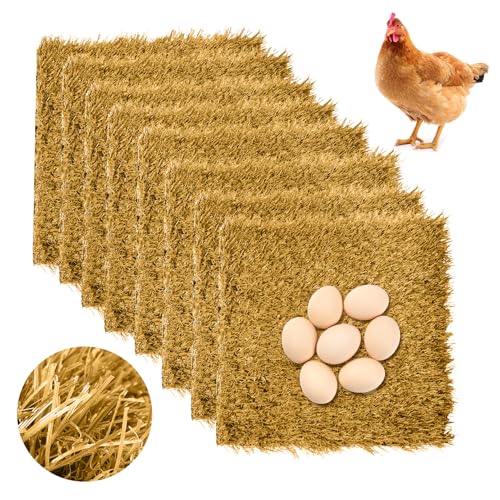
Hamiledyi 8 Pcs Chicken Nesting Pads 12×12

Eaton Pet and Pasture USA-Grown Hemp Bedding 8 Lbs

Small Pet Select Chicken Nesting Pads 13×13 8-Pack

21 Oz Chicken Nesting Herbs Premixed Blend
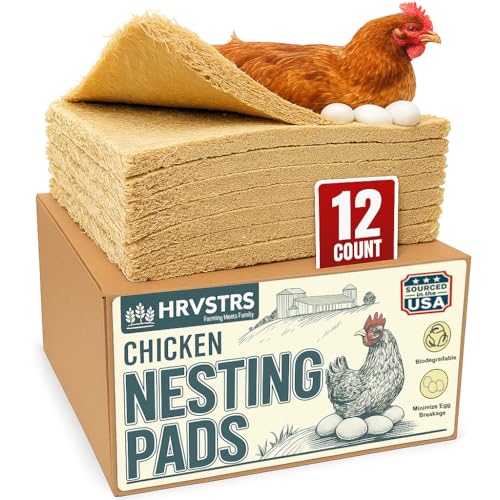
Trendiees USA Aspen Excelsior Nesting Pads 12-Pack
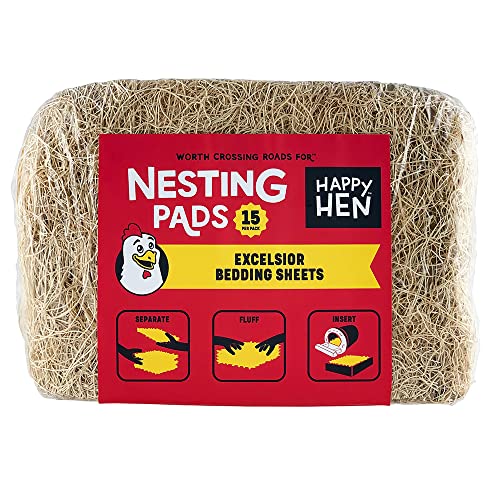
Happy Hen Excelsior Nesting Pads 12×9.5 (15-Pack)
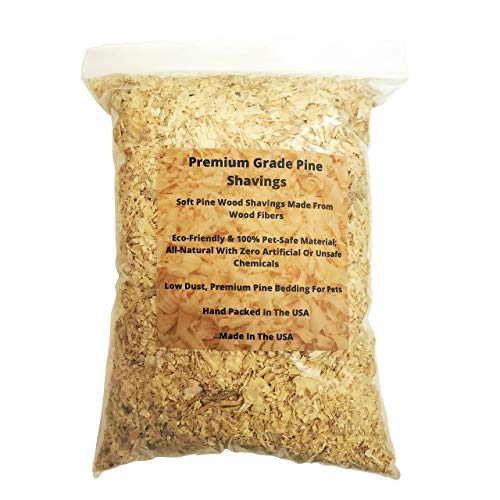
Wood Smith USA Premium Pine Bedding 4 Quart
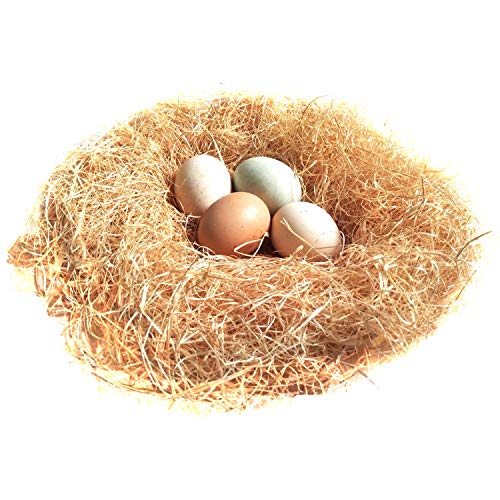
BWOGUE 100g Natural Chicken Hay Nest Bedding

Premium Chicken Sand 50 lbs
A Closer Look At Each Pick
MAQIHAN’s nesting herb blend works as a coop supplement rather than a true floor material, which sets it apart from every other pick on this list. The mix combines basil, dandelion, calendula, chamomile, oregano, lavender, rosemary, and crushed oyster shells into one scatter-ready bag. You can sprinkle it into nest boxes, dust bath areas, or feed bowls depending on your coop layout.
Backyard keepers looking to layer scent and supplemental minerals into an existing bedding system tend to get the most out of a product like this. The crushed oyster shells add a calcium boost, which supports shell quality during heavy laying seasons. It’s a small, useful upgrade for keepers who already have a working coop setup and want to nudge it a little further.
The Practical Payoff
- Multi-herb formula adds scent variety to nest boxes
- Crushed oyster shells provide a calcium layer
- Versatile placement in dust baths, feeders, or litter
- Easy to blend with regular feed as a top-up
Worth Noting
- Works best as a supplement, not a stand-alone bedding
- Herbs lose potency once the bag is opened, depending on storage conditions
Made For
Keepers with a stable coop floor who want to layer in herbs and minerals for laying hens.
Skip It When
You need full coop flooring coverage, in which case the Eaton Pet and Pasture hemp bedding handles moisture and odor much more directly.
Hamiledyi’s synthetic turf pads take a different path from the disposable craft liners covered later in this list. Each 12×12 mat is made from PE material that mimics real grass, giving hens a familiar-feeling surface without the ongoing replacement cycle. Eight pieces arrive in the pack, so a multi-nest coop gets covered in one order.
The reusable angle matters for keepers who want fewer landfill trips and are willing to hose the pads down on a schedule. The soft surface cushions eggs the way natural grass would, while the synthetic build holds up to repeated washing. For a backyard with a tidy rotation of hens, the trade-off between upfront cost and long-term reusability tends to balance out.
Benefits That Matter
- Washable design cuts down on replacement waste
- Realistic grass feel encourages natural laying behavior
- Eight-pack covers a multi-nest setup
- Durable synthetic PE resists tearing
Points To Note
- Requires regular washing to stay sanitary
- Less absorbent than wood-fiber or hemp liners
Feature Snapshot
Right Fit For
Coop owners who prefer reusable materials and don’t mind a quick rinse routine between flocks.
A Better Fit Elsewhere
For a low-maintenance disposable option, the Small Pet Select craft-paper liners save time on cleanup.
Eaton Pet and Pasture’s hemp hurd is the heavyweight option for keepers chasing serious moisture control. Hemp hurd, the soft inner core of the hemp stalk, soaks up liquid far better than pine shavings and keeps nesting boxes noticeably drier between changes. The 8-pound bag covers a small-to-medium coop comfortably, and an additional 33-pound option exists for bigger flocks.
This is a floor bedding rather than a nest liner, so it works alongside the smaller pads covered later in the roundup. The low-dust profile helps flocks with respiratory sensitivities, and the material breaks down cleanly in compost. For keepers who measure bedding by how long it stays fresh, hemp is hard to beat for moisture-heavy climates.
Notable Upsides
- High absorbency keeps nests drier
- Low-dust formula supports respiratory health
- Compostable after use
- Works for chickens, rabbits, and other small pets
Room For Improvement
- Higher cost per bag than pine shavings
- Larger particles may need a settling period before hens accept them
Best Suited To
Keepers dealing with damp coops, heavy rainfall regions, or flocks sensitive to dust.
Look Elsewhere When
You need ready-made nest pads rather than loose bedding, in which case the Happy Hen excelsior pads slot in faster.
Small Pet Select’s nesting pads keep coop care simple with biodegradable craft paper liners sized at 13×13 inches. The 8-pack fits most standard nest boxes, and the compostable material disappears into the garden waste stream once soiled. Drop one in, swap it out, and you’re back to the rest of the morning routine.
Compared to the reusable Hamiledyi turf pads covered earlier, these are the disposable counterpart for keepers who’d rather toss than rinse. The paper build cushions eggs against cracks and catches droppings before they smear across shells. For a tidy backyard setup with a regular cleaning schedule, the convenience factor is the main draw.
What Makes Sense
- Compostable craft paper reduces waste
- Generous 13×13 sizing fits most standard boxes
- Cushions eggs against impact cracks
- Quick swap-out during weekly cleanings
Trade Offs
- Single-use build means ongoing repurchasing
- Paper can tear if hens scratch aggressively
Who It Suits Best
Keepers with a steady cleaning rhythm who want compostable liners and don’t mind restocking each month.
Swap It Out When
You’d rather wash and reuse, in which case the Hamiledyi synthetic turf pads last longer between orders.
HoazHoald’s 21-ounce herb blend leans floral and aromatic, with eight dried ingredients including lavender, rose, mint, calendula, rosemary, chrysanthemum, wormwood, and cinnamon. The mix doubles as a coop freshener and a nutritional topper, scattered into nesting boxes, dust baths, or feed bowls depending on your routine. It sits in the same category as the earlier MAQIHAN pick but with a heavier floral profile.
Backyard keepers who want a more pronounced scent in the coop tend to gravitate toward this style of blend. The added volume makes it a better fit for slightly larger flocks, though the application method stays simple. It complements a working bedding system rather than replacing one, and pairs well with pine shavings or hemp as a base layer.
What Earns Its Place
- Eight-herb blend with strong aromatic profile
- Larger 21-ounce size for multi-box coops
- Flexible placement in nests, baths, or feeders
Soft Spots
- Strong scents may overwhelm enclosed coops without ventilation
- Not a substitute for true absorbent bedding
Perfect Match For
Keepers who prioritize coop aroma and want a supplement that mixes with their existing bedding system.
Another Choice May Suit
For pure moisture control, the Eaton Pet and Pasture hemp bedding is the more functional workhorse.
Trendiees’ aspen excelsior pads bring a thicker, more cushioned build to the nest pad category. Sized for 12×12 boxes, the 12-pack covers a sizeable flock, and the woven wood-fiber design lets droppings sift through while keeping eggs on top. The result is cleaner eggs with less scrubbing at collection time.
The thicker cushion stands out against the slimmer Happy Hen pads covered later in the list, which makes a real difference for heavy breeds or older hens. Aspen fibers are known for absorbing moisture without the aromatic oils found in some pine products, so the bedding stays neutral-smelling. For keepers running a multi-nest setup who rotate pads out frequently, the 12-pack keeps restocking simple.
Where It Delivers
- Thick excelsior build cushions heavy breeds
- Moisture-wicking fibers keep eggs dry
- 12-pack suits larger flocks
- Fits standard 12×12 nest boxes
Honest Caveats
- Thicker profile may not fit smaller custom boxes
- Fiber strands can loosen with aggressive scratching
Feature Card
Who Should Grab It
Keepers with larger flocks who want a thicker pad for heavier hens and easier egg collection.
Not Your Match When
You run a smaller flock and don’t need a 12-pack rotation, in which case the Happy Hen 15-pack suits a lighter cadence.
Happy Hen Treats delivers one of the most established nest pad options in this roundup, with a 15-pack sized at 12×9.5 inches. The flexible excelsior shavings can be cut or formed to fit non-standard nest shapes, which is helpful if your coop layout isn’t a textbook 12×12 square. The pads absorb moisture, cushion eggs, and break down cleanly in compost once they’ve done their job.
Made in the USA, the pads are a common sight in backyard coops for good reason: the 15-count keeps restocking infrequent, and the biodegradability fits a low-waste routine. The slightly smaller dimensions compared to the Trendiees aspen pads make these a better match for compact nest boxes. The honest read is that Happy Hen has earned its place through consistent availability more than standout features.
A Few Highlights
- Flexible sizing fits non-standard nest boxes
- 15-pack stretches further between orders
- Compostable wood-fiber build
- Soft surface reduces egg breakage
Less-Strong Areas
- Thinner profile than premium aspen alternatives
- May need replacing sooner under heavy use
Built With In Mind
Multi-nest coops with standard or slightly smaller boxes and keepers who restock in bulk.
Reach For A Different Pick When
You want a thicker cushion for heavy breeds, in which case the Trendiees aspen pads handle weight better.
Wood Smith USA’s pine shavings are the familiar workhorse of coop flooring, offered here in a 4-quart bag aimed at small coops and starter flocks. The dust-free milling process keeps the shavings soft underfoot and reduces the respiratory irritation that some cheaper pine products can cause. The bedding is free of added chemicals, dyes, and harmful aromatic oils, which matters for keepers watching what their flock inhales.
Compared to the heavier hemp option from Eaton Pet and Pasture, pine is lighter on absorbency but easier to find and more affordable in bulk. It doubles as bedding for rabbits, guinea pigs, and other small animals, so the bag earns its keep across species. For a reliable, no-surprises floor layer, pine still does the job.
Useful Strengths
- Dust-free formula protects bird lungs
- Soft shavings cushion chicken feet
- Works across multiple small animals
- No chemical additives or dyes
Factors To Consider
- 4-quart size suits only smaller coops
- Less absorbent than hemp alternatives
Whose Shelf It Belongs On
Beginner keepers with a small coop who want an affordable, easy-to-source floor bedding option.
Consider Something Else When
You run a larger flock or a damp coop, where the Eaton Pet and Pasture hemp bedding absorbs much more reliably.
BWOGUE’s natural hay nest bedding comes in a compact 100-gram pack aimed at keepers testing the waters or running a small starter coop. The grass-based liner gives hens a soft, natural-feeling surface, and the biodegradable build means used material goes straight into compost. Eggs tend to sit on top rather than sinking into the nest, which speeds up collection.
The trade-off shows up in volume: a single 100-gram pack covers a couple of nests at most, so larger coops will burn through it quickly. For a budget-friendly entry into natural nest liners, it works. For ongoing supply, the heavier excelsior pads from Happy Hen or Trendiees tend to be more practical per dollar.
Positive Takeaways
- Natural grass liner hens take to quickly
- Biodegradable and compostable
- Lightweight pack easy to store
- Affordable entry into natural nest liners
Where It Is Less Suited
- Small pack size suits only tiny coops
- Hay breaks down faster than wood-fiber pads under heavy use
Who Will Love This
First-time keepers with a small starter flock who want a low-cost natural liner to test.
Where Another Pick Suits Better
For a longer-lasting natural pad, the BWOGUE grass nest pad is outshone by the Happy Hen excelsior 15-pack for ongoing use.
Premium Chicken Sand takes a completely different approach from every other entry on this list, substituting granular sand for shavings, hemp, or pads. The 50-pound bag covers runs, coops, and nesting boxes with a uniform grain size that’s been washed, screened, and dried for consistency. The result is a bedding that sifts cleanly during cleaning rather than clinging to droppings the way loose fiber can.
The dust-free formula is the main respiratory-health argument for sand over pine, and the longer replacement cycle means fewer bag changes across the year. The honest read is that sand works best in well-ventilated runs with good drainage, and it rewards keepers who commit to regular sifting. For low-maintenance setups in dry climates, it’s a strong long-term play.
Real Benefits
- Long-lasting sand reduces change frequency
- Dust-free formula supports respiratory health
- Uniform grain size sifts cleanly
- Works in runs, coops, and nest boxes
Potential Compromises
- Heavy 50-pound bag requires effort to transport
- Less forgiving in poorly drained coops where moisture pools
Feature Rundown
Who Should Grab It
Keepers in dry climates with ventilated runs who want a long-lasting, low-dust bedding system.
Not Your Match When
Your coop stays damp year-round, in which case the Eaton Pet and Pasture hemp bedding absorbs moisture more reliably.
What To Weigh Before Choosing Your Coop Bedding
Absorbency And Moisture Handling
The core job of any hen bedding is pulling moisture away from eggs and droppings before odor sets in. Hemp hurd leads on raw absorbency, with pine shavings as a familiar middle ground and excelsior pads handling moderate moisture in nest boxes. For damp climates or densely populated coops, prioritize absorbency over comfort.
Nest Pads Versus Loose Bedding
Pads and loose bedding serve different roles. Pads slot directly into nest boxes, cushion eggs, and swap out quickly. Loose bedding covers the coop floor, manages droppings on a larger scale, and supports the deep-litter method many keepers prefer. Running both gives hens a clean nest and a manageable floor at the same time.
Maintenance Rhythm And Replacement Cycle
Your weekly schedule should drive the choice. Washable turf pads save landfill trips but require a rinse routine. Disposable craft or excelsior liners cut cleanup to seconds but restock monthly. Sand lasts the longest between changes but rewards regular sifting. Match the bedding’s upkeep demands to the time you actually have.
Climate And Coop Ventilation
Dry, well-ventilated coops handle almost any bedding. Damp or enclosed coops need low-dust, high-absorbency materials like hemp or premium pine, and they benefit from sand only when drainage is reliable. Aromatic herb blends can overwhelm a poorly ventilated space, so factor airflow before adding scent-heavy supplements.
Smart Buying Advice For Hen Bedding Setups
Pitfalls Shoppers Hit
A common trap is buying pads sized for 12×12 boxes when the actual nest is 13×13, leading to curled corners and shifted liners. Measure a single nest before ordering. Another mistake is treating aromatic herb blends as a stand-alone bedding, when they’re really a supplement layered on top of a working floor system.
When Paying More Pays Off
The premium tier earns its keep in three places: higher absorbency (hemp), thicker cushioning (aspen excelsior), and longer replacement cycles (sand). For keepers running large flocks, the per-bag cost difference often pays back through fewer changes and cleaner eggs. Smaller setups get less return on the upgrade, and standard pine or basic pads do the job just fine.