

Picking the right bedding for a hamster shapes everything from burrowing behavior to how often you’ll spot-clean the cage. Hamsters need a substrate deep enough to tunnel, low in dust to protect tiny lungs, and absorbent enough to keep the enclosure smelling fresh between changes. The ten options below cover paper, aspen, coconut-cork, botanical blends, and cotton nesting material, so you can match the bedding to your pet’s habits and your cleaning routine.
The Picks In Brief

carefresh 99% Dust-Free Natural Paper Bedding, 23 L

Niteangel Natural & Soft Hamster Bedding Mate

Sukh Hamster Bedding Odor Control 150G
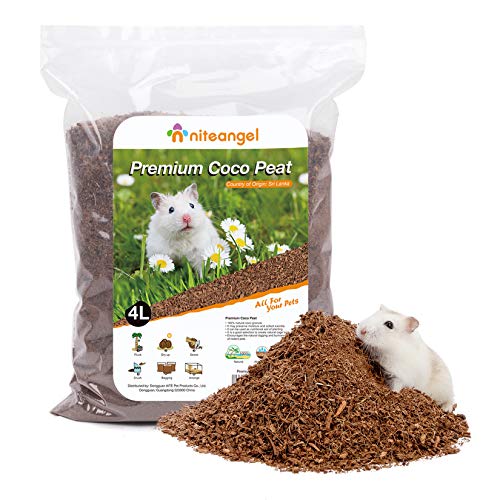
Niteangel Natural Coco/Cork Hamster Bedding 4L

BUCATSTATE 70L Paper Bedding, White
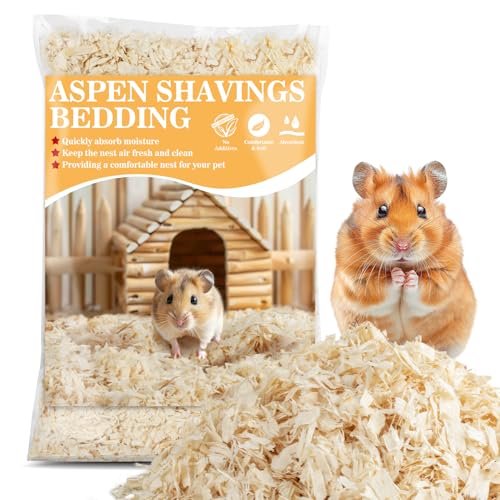
Sukh Aspen Shavings Small Animal Bedding

Kaytee Clean & Cozy Confetti Bedding 49.2L

VitaKraft Sunseed Fresh World Paper Bedding

mini&moe 50L Paper Bedding, Dust-Free

Penn-Plax Bed Fluff Cotton Nesting Material
Meet The Standout Selections
The first pick sets a useful baseline for paper bedding. carefresh’s soft, pillowy natural paper fiber fluffs up into a thick layer that holds burrow tunnels well, and it absorbs moisture quickly enough that a damp corner won’t spread across the cage overnight. For most hamster owners cleaning a standard enclosure once a week, the odor control claim translates into a noticeably fresher-smelling room between changes.
You get a 23-liter pack shipped as a twin pack, which suits someone running a single mid-sized habitat or rotating between two cages. Compared to the lighter Kaytee Confetti bedding covered later, this one trades visual flair for a quieter, more uniform texture that burrowing hamsters tend to prefer.
What Helps Most
- Soft paper fiber holds tunnel shapes without collapsing on active diggers.
- Low-dust formula protects tiny respiratory systems during deep burrowing.
- Absorbent structure locks in moisture, keeping surface bedding drier between spot cleans.
- Free from harsh chemicals and synthetic dyes, so accidental nibbles stay low-risk.
Things To Consider
- Some owners find lighter colors show soiling faster than darker options.
- Compressed packaging requires a good fluff before use, otherwise it under-fills the cage.
Who It Suits Best
First-time hamster owners and anyone with a Syrian or dwarf who loves to dig and nest.
Where Another Pick Suits Better
Households wanting a more budget-stretched bulk option should look at BUCATSTATE 70L Paper Bedding instead.
Where the carefresh pick handled the bulk bedding role, this Niteangel option earns its place as a topper and texture accent. Air-dried flowers and grass bits scatter through a habitat to add color, scent, and small objects to investigate, which mirrors what hamsters encounter in more naturalistic setups.
Use it as a thin scatter layer over a paper base, and it doubles as foraging material. Compared to the Sukh floral blend below, the Niteangel version leans more on grasses than petals, giving it a drier feel underfoot.
Everyday Perks
- Multi-color mix adds visual variety to plain paper bedding.
- Air-dried botanicals keep their shape without turning dusty in storage.
- Lightweight scatter doubles as a foraging puzzle for curious hamsters.
Worth Noting
- Best layered over a deeper substrate; not a stand-alone bedding solution.
- Some hamsters may pick out and stash specific pieces, leaving uneven coverage.
Made For
Owners who style natural-looking habitats and want their hamster to engage with the bedding rather than just sleep on it.
Consider Something Else When
You need a single bag to fill a large enclosure; the BUCATSTATE 70L Paper Bedding covers that job more efficiently.
The Sukh 150G blend tilts further into herbal territory. Hand-picked petals and dried plant pieces bring a light natural scent, and because the material is air-dried with nothing added, it stays soft without feeling soggy. The 150-gram pack is small, so this works best as a topper or treat-style addition to a primary paper or aspen base.
For Syrian or dwarf hamsters that get bored easily, the textures and shapes give them something to sort through. The trade-off shows up in coverage: you won’t fill a cage with this alone, so plan to pair it with a bulk paper bedding like carefresh or BUCATSTATE.
Where It Excels
- Edible-grade botanicals make accidental ingestion low-concern during foraging.
- Soft dried texture stays gentle on paws and cheek pouches.
- Hand-selected flowers bring more variety than single-plant blends.
Trade Offs
- 150G fills very little volume, so cost-per-cage-change runs higher than bulk paper options.
- Strong herb scent may overwhelm a small room without ventilation.
Right Fit For
Owners who want to add an enrichment layer to a standard paper base, especially for hamsters that enjoy foraging puzzles.
Not Your Match When
You need a full-cage substrate on its own; reach for the mini&moe 50L Paper Bedding for a complete, low-dust solution.
This Niteangel option switches the substrate category entirely. Coco and cork pieces form a chunky, soil-like surface that holds burrow shapes beautifully, and the material naturally absorbs odors while staying low-dust. The 4-liter pack is best used as a partial fill or digging zone, not as a full cage base for a large enclosure.
It’s a different texture from the paper picks above, and it suits hamsters that enjoy rearranging their environment. Owners commonly report the bedding holding tunnels longer than paper fluff, which means less mid-week rebuild work for you.
The Case For It
- Chunky coco-cork pieces support deep digging without collapsing tunnels.
- Low-dust processing helps hamsters prone to respiratory irritation.
- Natural plant material absorbs odors without added fragrance.
Room For Improvement
- Small 4L volume fills only a partial cage, not a full burrowing layer.
- Heavier pieces may need a deeper tray to prevent scatter outside the enclosure.
Feature Snapshot
Best Suited To
Owners building a digging-focused zone inside a larger enclosure, or those who want a different texture alongside paper bedding.
Look Elsewhere When
You want a single substrate to fill the whole cage; the BUCATSTATE 70L Paper Bedding offers more volume per bag.
BUCATSTATE tackles the volume problem head-on. The bag ships compressed and fluffs up to roughly three times its packaged size, so a single bag covers a full deep-clean for a sizeable Syrian habitat or two mid-sized dwarf cages. The 99% dust-free claim matters for households where the cage sits in a bedroom, since airborne particles settle faster than with cheaper paper bedding.
Where the carefresh pick earlier focused on softness, this one prioritizes coverage. The white color makes it easy to spot soiled areas during daily checks, which speeds up spot cleaning for busy owners.
Noteworthy Benefits
- Compact packaging stores easily until you fluff it up at cage-change time.
- 70L expanded volume covers multiple small enclosures from one bag.
- White color reveals wet spots fast, simplifying daily spot cleaning.
- Paper construction is generally safe around curious chewers.
Points To Note
- Requires thorough fluffing right out of the bag to reach advertised volume.
- Less odor control than carefresh, so weekly full changes become more important.
Who Should Grab It
Multi-cage households and anyone who wants a single purchase to last through several cleanings.
A Better Fit Elsewhere
Single-cage owners who prefer softer texture should consider carefresh 23L instead.
Aspen is the traditional wood-shaving choice for small pets, and Sukh keeps the formulation simple: pure aspen with no additives. Shavings are larger and more structured than paper fluff, so they let hamsters build sturdy burrows while leaving a mild woody scent that masks light odors. That same structure, though, means smaller pieces occasionally end up outside the cage during enthusiastic digging.
Compared to the paper options above, aspen tends to last longer between full changes when you spot-clean daily. Owners should skip cedar and pine entirely, but aspen is widely accepted as a safer wood option for hamsters.
Well-Handled Touches
- Additive-free aspen reduces risk of aromatic oil irritation.
- Larger shavings hold tunnel architecture through active nights.
- Light wood scent absorbs mild odors without artificial fragrance.
Honest Caveats
- Heavier shavings scatter outside the enclosure during heavy digging sessions.
- Wood shavings break down differently than paper during composting disposal.
Built With In Mind
Owners who prefer a natural wood substrate and don’t mind a bit of scattered bedding around the cage base.
Skip It When
You need a near-dust-free setup for a sensitive hamster; mini&moe 50L Paper Bedding handles that better.
Kaytee’s confetti blend adds an enrichment angle to a standard paper bedding. Colored paper pieces scatter through white fluff, and the variety gives hamsters something to shred, sort, and rearrange through the night. The 49.2-liter bag covers a single large cage or several smaller enclosures.
Compared to plain carefresh earlier, this option trades uniform texture for visual stimulation. The honest read is that the confetti pieces show wear and tear faster than plain bedding, so you’ll spot dust accumulation sooner if you skip weekly changes.
Practical Pluses
- Confetti pieces add shredding activity, which engages curious hamsters at night.
- Generous 49.2L volume covers a large habitat from one bag.
- Multi-color mix brightens the visual look of the cage without artificial scent.
Points To Keep In Mind
- Colored pieces may fade or break down faster than plain paper, creating more frequent refresh cycles.
- Some hamsters will hoard the confetti in their nest, leaving the rest of the cage looking bare.
Perfect Match For
Owners with active, curious hamsters that need extra mental stimulation beyond standard bedding.
Reach For A Different Pick When
Your hamster has respiratory sensitivity; the mini&moe 50L Paper Bedding offers a stricter dust-controlled alternative.
VitaKraft’s Sunseed Fresh World bedding focuses on sustainability without sacrificing absorbency. The 450 cubic inch pack uses recycled paper with high-density fibers, which the manufacturer describes as improving moisture control compared to lower-density options. The unbleached, phenol-free formulation appeals to owners looking to avoid chemical treatments in their pet’s environment.
It’s a smaller pack than the bulk options above, so this one works best for a single dwarf cage or as a top-up between larger purchases. The texture sits somewhere between the carefresh fluff and the heavier BUCATSTATE paper, giving a middle-ground feel.
Advantages To Know
- Recycled paper construction supports a lower-waste bedding routine.
- Unbleached, phenol-free processing avoids harsh chemical residues.
- High-density fibers improve absorbency per volume compared to looser paper bedding.
Less Ideal Details
- Smaller 450 cubic inch pack fills only a modest enclosure from one bag.
- Less widely available color variety than the Kaytee Confetti option above.
Quick Facts
Whose Shelf It Belongs On
Eco-conscious owners running a single dwarf cage who prioritize recycled materials over bulk volume.
Swap It Out When
You need to fill a large Syrian enclosure; the BUCATSTATE 70L Paper Bedding delivers more volume per purchase.
mini&moe’s 50-liter bag puts dust control front and center. The manufacturer describes a three-stage dust screening process paired with virgin wood pulp, and the result is a bedding that stays remarkably light on airborne particles during pouring and fluffing. For households where a family member has allergies, or where the hamster itself shows signs of respiratory irritation, that low-dust profile can make daily cage maintenance easier.
Unlike the more decorative Kaytee Confetti covered above, this one stays neutral and uniform. You trade visual flair for a more clinical feel, but the trade-off shows up in cleaner air around the cage.
Why It Works Well
- Three-stage dust screening reduces airborne particles during cage changes.
- Virgin wood pulp construction is free from recycled-ink residue.
- Neutral scent profile suits odor-sensitive rooms and owners.
Small Caveats
- Less visual variety than confetti blends, so the cage looks more utilitarian.
- Virgin pulp processing can carry a slightly higher per-liter cost than recycled options.
Key Product Details
Who Will Love This
Owners with respiratory-sensitive hamsters or household members who react to bedding dust.
Another Choice May Suit
You want a fluffier, softer texture; carefresh 23L feels plusher underfoot.
Penn-Plax Bed Fluff is a different product category from the rest of the list. The 3-ounce pack of 100% cotton nesting material isn’t a full substrate; it’s the soft fill your hamster drags into a sleeping chamber to build a warm pocket. For Syrian and dwarf hamsters that like to burrow deep and curl up, this cotton adds the cozy layer that paper alone sometimes lacks.
It’s a small bag by weight, but a little goes a long way once your hamster starts hoarding. Pair it with any of the paper or aspen options above rather than using it on its own, since cotton alone won’t absorb moisture across a full cage.
Useful Strengths
- 100% cotton fibers create a warm, soft sleeping pocket inside the nest.
- Supports natural nesting instincts without sharp edges or coarse texture.
- Small 3-ounce pack lasts through several nest rebuilds.
Practical Considerations
- Not a full substrate; must be paired with paper, aspen, or coco bedding underneath.
- Loose cotton strands can occasionally tangle around small limbs if over-applied.
Best Suited To
Owners whose hamsters actively build sleeping chambers and need soft fill beyond standard substrate.
Not Your Match When
You want a single product to fill a cage; mini&moe 50L Paper Bedding handles that role more completely.
What To Weigh Before Choosing Beddings For Hamsters
Depth And Burrowing Space
Hamsters are natural burrowers, and most species need at least six inches of substrate to build the tunnel networks they prefer. A bedding that fluffs up well after compression, like the BUCATSTATE 70L bag, gives you more usable depth per purchase. Smaller enclosures or dwarf hamsters can get by with less, but a Syrian in a deep tray will rearrange anything you put down, so bulk matters.
Dust Levels And Respiratory Health
Hamsters have sensitive respiratory systems, and dusty bedding is a common trigger for sneezing and labored breathing. Paper options that screen for dust during manufacturing, like mini&moe, generally run cleaner than wood shavings. If your hamster has shown any signs of irritation, prioritize low-dust formulations over visual appeal or scent.
Material And Absorbency Match
Paper absorbs moisture quickly and stays dry on the surface, making spot cleaning simple. Aspen shavings handle odor well but scatter more easily. Coco-cork substrates like the Niteangel option support heavy digging but work best as partial fills. The right match depends on whether you prioritize easy cleanup, deep burrowing, or both.
Smart Buying Advice For This Category
Where Shoppers Go Wrong
A common mistake is choosing bedding based on color or scent rather than dust level and material safety. Cedar and pine shavings are widely sold but carry aromatic oils that can irritate small pets, so aspen is the safer wood choice. Another slip is underestimating how much bedding hamsters actually need; buying the smallest bag to save space usually means a hamster without enough room to burrow.
What The Higher Tier Buys
Premium bedding tends to invest in dust screening, denser fiber construction, and additive-free processing rather than fancier colors. The mini&moe and carefresh options cost more per liter than basic shavings because they remove more particulates during manufacturing. For owners with respiratory-sensitive hamsters or anyone keeping the cage in a bedroom, that extra processing shows up in cleaner air and easier maintenance over time. If your hamster is healthy and the cage sits in a well-ventilated room, mid-tier paper bedding handles the job without the upgrade.
Frequently Asked Questions
How often should I change hamster bedding?
Spot-clean soiled areas every two to three days and do a full bedding change once a week for most setups. Larger enclosures with deeper substrate can sometimes stretch to ten days between full changes, depending on the hamster’s habits.
Is aspen bedding safe for hamsters?
Aspen is generally considered a safer wood option because it lacks the aromatic oils found in cedar and pine. Many owners use aspen shavings successfully, though paper bedding tends to run lower in dust.
Can I mix different bedding types together?
Yes, layering or mixing is a common approach. A base of paper or aspen with a thin scatter of botanical toppers, or cotton nesting material added to a sleeping chamber, gives variety without sacrificing absorbency.
How deep should hamster bedding be?
Most species need at least six inches of substrate to build proper burrows. Syrian hamsters in particular rearrange their environment nightly, so deeper bedding prevents frustration and supports natural behavior.
What’s the best bedding for a hamster with respiratory issues?
Low-dust paper bedding with screened fibers, like the mini&moe or carefresh options, tends to be gentler on sensitive systems. Avoid strong-scented botanical blends if your hamster shows signs of sneezing or labored breathing.
The Takeaway
The right bedding depends on your hamster’s habits, your cleaning routine, and the room where the cage lives. Paper options handle most setups cleanly, aspen works for traditional wood-shaving fans, coco-cork suits dedicated diggers, and cotton nesting material adds a finishing touch. Match the substrate to the species and watch how your hamster uses the space; you’ll learn what works within a few cage changes.