

Feral cat colonies need reliable insulation when temperatures drop, and the right bedding can mean the difference between a cat using a shelter or abandoning it. Caretakers managing outdoor colonies, barn setups, or backyard feeding stations often juggle insulation, weather resistance, and ease of cleaning. The picks below cover self-warming mats, cotton pads, and straw-based options that work across different shelter styles and climate needs.
The Choices Worth Comparing

Clysee 4 Pack Self Heating Cat Pad 16 x 20 Inch (Dark Green)

Letalong 30 x 20 Inch Leaf Shaped Cotton Cat Bed Pad

Namalu 4 Pack Self Warming Cat Bed 18 x 24 Inch (Gray)

VitalCozy 2 Pack Self Warming Cat Mat 21 x 14 Inch (Double Star)

Acostop Natural Dry Wheat Straw for Stray Cats Shelter

AUPETEK Self-Warming Cat Bed 21×15.7 inch

NAMOTEK Self-Warming Cat Bed 21×16 inch

petfelix Self Warming Mat 24×20 inch (Short-Fluff Grey)
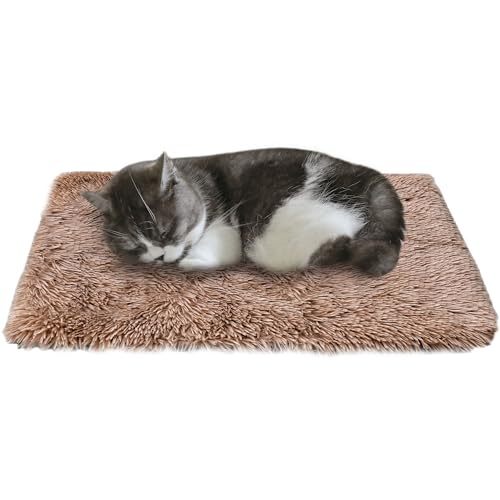
petfelix Self-Warming Cat Mat 24×20 inch (Brown)
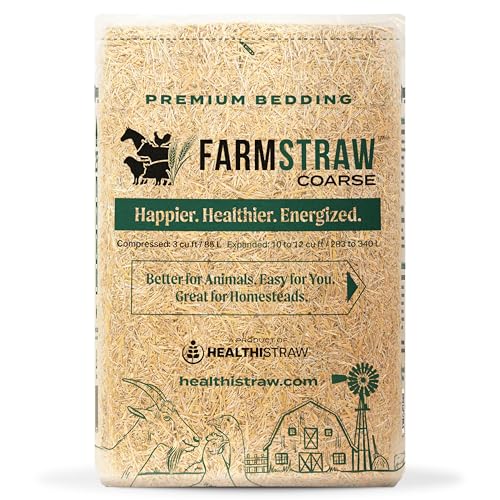
HealthiStraw FarmStraw Coarse Cut 3 cu ft Wheat Straw
More Details On Our Top Picks
Running a multi-site colony rotation means swapping bedding between shelters, and a four-pack keeps that rhythm simple. The Clysee pads rely on a passive heat-reflecting layer (a thin film that bounces body warmth back toward the cat) rather than plugs or cords, which matters when shelters sit far from any outlet in a barn or alley. At roughly 16 by 20 inches, each pad fits most medium-sized feral cats, though you may want to size up for particularly bulky toms.
Where the four-pack format really earns its keep is during winter turnover: as one pad goes into the wash, three others stay in service. The washable construction handles muddy paws and the occasional mess without falling apart, and the dark green tone hides grime between cleanings better than lighter options like the AUPETEK mat further down this list.
The Upside
- Four-pad bundle keeps a full rotation in play during laundry days
- No electricity needed, so shelters stay cord-free and safer outdoors
- Heat-reflective layer works without warm-up time
- Compact 16 by 20 inch footprint fits standard shelter floors
- Dark green color masks dirt between washes
Trade-Offs Worth Noting
- Pads run smaller than some other self-warming options on this list
- Reflective warmth works best with an additional insulating layer underneath in deep cold
Feature Snapshot
Who It Suits Best
Caretakers juggling several feral cat shelters who need backup pads ready during winter wash cycles.
Where Another Pick Suits Better
Homestead managers outfitting a large barn should consider the HealthiStraw FarmStraw instead, since loose straw insulates bigger spaces more economically than individual pads.
Some shelters double as porch décor, and the Letalong leaf pad leans into that role. The 30 by 20 inch leaf silhouette looks intentional in a sunroom or enclosed porch, where ferals adjusting to indoor life often take their first steps. The cotton surface with polyester filling stays soft through repeated washes, which is the kind of low-fuss detail that matters when bedding cycles through the machine weekly.
Compared to the four-pack Clysee pads reviewed above, this one trades multi-site convenience for a single larger mat that handles two cats side by side. Folding it down for storage or travel takes seconds, so caretakers moving cats between fosters and permanent homes can pack it flat without hassle.
Practical Pluses
- Generous 30 by 20 inch surface accommodates two cats at once
- Decorative leaf shape suits indoor foster setups
- Folds or rolls compactly for transport between locations
- Cotton face feels soft on shaved or post-surgery skin
Points To Keep In Mind
- No self-warming layer, so cold-weather outdoor use requires extra insulation beneath it
- Light cotton may need gentle cycle washing to prevent warping at the edges
Right Fit For
Foster carers and indoor colony managers who want bedding that looks intentional while still being functional for cats transitioning indoors.
Skip It When
Caretakers running fully exposed outdoor shelters in freezing weather should grab the VitalCozy 2 Pack instead, since its reflective layer adds heat that cotton alone cannot match.
The Namalu four-pack walks a useful middle line between the smaller Clysee pads and single-pad options. At 18 by 24 inches, each pad gives a feral cat room to stretch out or curl up without feeling exposed, which often matters for cats still adjusting to a shelter. The plush self-warming material holds onto body heat without any external power source, and the star pattern on the surface is more functional than decorative: it gives nervous cats a visual texture to settle against.
Where the Namalu pulls ahead of the Clysee pack is the anti-slip backing, which keeps the pad from sliding when cats enter and exit quickly. In shelters with smooth plastic or wood floors, that grip can be the difference between bedding that stays put and bedding that ends up bunched in a corner.
Why It Works Well
- Anti-slip backing holds position on smooth shelter floors
- Plush surface softens the chill of cold plastic or wood bases
- Four-pack supports rotation across multiple colony sites
- Star pattern adds visual texture for skittish cats
Honest Caveats
- Plush pile holds odors longer than smoother surfaces, so regular washing matters
- 18 by 24 inch pads take up more storage space than smaller options when all four are clean
Feature Card
Made For
Colony caretakers running shelters on smooth surfaces who need bedding that grips the floor and holds up to repeated laundering.
Another Choice May Suit
Barn managers lining stalls should look at the HealthiStraw FarmStraw, since loose straw fills awkward barn corners that flat pads cannot reach.
Reversible construction sets the VitalCozy mat apart from most of the other pads in this roundup. You can flip the mat to a fresh side midweek, doubling the time between full washes, which is genuinely useful when fostering ferals that need bedding rotated more often than indoor cats. At 21 by 14 inches, the rectangular shape fits crates and carriers cleanly, with less wasted material than the leaf-shaped Letalong pad above.
The self-heating pad technology reflects body warmth back toward the cat, so it works without any power source. The double-star print gives nervous cats something to look at, and the surface holds up well to machine washing when you air-dry it as recommended.
Bright Spots
- Reversible design extends time between full washes
- Rectangular shape fits crates and carriers without bunching
- Self-warming layer works without electricity
Small Limitations
- 21 by 14 inch dimensions suit smaller cats better than large toms
- Only two pads per pack, so colony sites with more shelters may need additional sets
Best Suited To
Foster networks and TNR (trap-neuter-return) volunteers running crates and carriers who need reversible bedding that washes clean.
Look Elsewhere When
Someone outfitting an entire barn of cats will get more coverage from the HealthiStraw FarmStraw, since bulk straw handles multiple animals better than a two-pack of pads.
Wheat straw is the traditional feral cat bedding for good reason, and the Acostop bag keeps that tradition simple. Sun-dried with no chemical treatments, the straw breaks down naturally in the soil when you discard old bedding, so it doubles as a garden mulch the next spring. That dual purpose appeals to caretakers who also tend vegetable beds or flower borders.
For shelter lining, straw creates insulating air pockets that flat pads cannot replicate, especially in large wooden shelters or repurposed coolers. The honest read is that straw requires more frequent replacement than washable mats, and it does scatter when cats enter and exit, so you may find yourself topping it up more often than with a pad-based setup like the Clysee four-pack.
Benefits That Matter
- Sun-dried and chemical-free for sensitive cats
- Breaks down into soil when discarded, supporting garden beds
- Loose fill reaches corners that flat pads cannot
- Traditional choice that feral cats often accept readily
Some Limits To Know
- Needs more frequent full replacement than washable pads
- Straw scatters outside the shelter with heavy use
Who Should Grab It
Caretakers with garden space who prefer compostable bedding and need bulk fill for large or oddly shaped shelters.
Consider Something Else When
Apartment dwellers or anyone without a yard will do better with the AUPETEK Self-Warming Cat Bed, since straw creates dust and debris indoors.
The AUPETEK mat is a sensible pick for small-bodied cats and kittens who would otherwise be lost on a full-size pad. The 21 by 15.7 inch small size tucks neatly into compact shelters, and a larger 35 by 23 inch option exists for setups with more room. The self-warming plush captures body heat and radiates it back, which works in concert with the cat’s own insulation rather than replacing it.
Where this mat differs from the four-pack options earlier in the list is the single-mat format, which suits someone with one or two shelters rather than a sprawling colony. You can wash it on a gentle cycle, and the reflective film inside holds up through repeated laundering if you air-dry rather than tumble-dry.
Positive Points
- Two size options handle kittens through mid-size adult cats
- Plush surface stays gentle on thin or senior cat skin
- Reflective film layer boosts passive warmth
A Few Limitations
- Single mat only, so multi-site caretakers need additional units
- Air-dry recommendation extends turnaround time after washing
Perfect Match For
Caregivers with one or two shelters, especially those fostering kittens or senior ferals who need compact, soft bedding.
Reach For A Different Pick When
Homestead managers with multiple barn cats will find the HealthiStraw FarmStraw Coarse Cut more practical for the scale of coverage needed.
The NAMOTEK mat shares much of its DNA with the AUPETEK reviewed above, including the self-warming plush (a fabric with a reflective inner lining that bounces body heat back to the cat) and reflective-film construction, but the slightly wider 21 by 16 inch dimensions give a touch more sprawl room. The two available sizes cover the typical feral cat range without overshooting into dog-sized territory, which keeps the pad focused on the job.
In shelters that see daily use, the washable thermal pad earns its keep by handling constant laundering without losing shape. Reflective film inside the pad bounces the cat’s own warmth back, so even on a cold night, the mat amplifies whatever heat the cat generates naturally rather than producing warmth from a power source.
Advantages To Know
- Reflective film amplifies natural body heat effectively
- Two size options fit different shelter footprints
- Washable construction holds up under daily rotation
Potential Compromises
- Single mat format means stocking multiples for colony-scale use
- Plush surface requires regular washing to stay fresh
Who Will Love This
Anyone running a single high-traffic shelter who refreshes bedding frequently and wants a pad that tolerates the washing machine.
A Better Fit Elsewhere
Multi-shelter colony coordinators should look at the Namalu 4 Pack, which spreads the same reflective warmth across four pads at once.
The petfelix mat in short-fluff grey brings something the soft-plush options above do not: a non-skid base fused with silicone nibs. That backing grips wood, plastic, and even metal crate floors, which is critical in outdoor shelters where cats can skid and bunch bedding as they rush in. The 24 by 20 inch footprint suits adult feral cats comfortably without forcing them to perch on the edge.
The short-fluff surface tangles less than longer plush (which is fabric with shorter fibers that resist matting and snagging) and resists scratching, so the mat looks cleaner for longer between washes. The heat-reflecting liner works the same way the other self-warming pads in this roundup work, bouncing the cat’s body warmth back rather than producing heat on its own.
The Good Stuff
- Silicone nib base grips slick surfaces in outdoor shelters
- Short-fluff surface resists tangles and scratches
- 24 by 20 inch dimensions suit average adult feral cats
Trade-Offs To Consider
- Single mat, so multi-shelter caretakers need additional units
- Neutral grey color shows dirt more readily than darker options like the Clysee pads
Spec Overview
The Right Fit
Caretakers with outdoor shelters on slick surfaces who want a single pad that grips and stays put through heavy use.
Swap It Out When
You run a brown or earth-toned shelter setup that would clash with grey: the petfelix Self-Warming Cat Mat in Brown (reviewed next) blends in better.
The brown petfelix mat covers the same specs as the grey version above but trades color tone. That matters more than it sounds in a working barn or wooden shelter, where a brown pad blends into the surroundings rather than standing out. The non-skid backing and machine-washable build stay consistent across both colorways, so the choice comes down to aesthetics and how visible you want the bedding to be.
At 12 ounces and 24 by 20 inches, the mat is light enough to fold into a carrier for vet visits or transport days, which is the genuine travel hook. Ferals being relocated to new colonies often reject unfamiliar bedding, so bringing a familiar pad along can reduce the adjustment period.
Strong Points
- Brown tone blends into natural shelter and barn settings
- Lightweight 12 ounce build folds into travel carriers
- Machine-washable for heavy-use rotation
Some Limits To Know
- Single mat format requires multiple purchases for colony-scale use
- Reflective liner alone may need pairing with straw in sub-freezing temperatures
Quick Facts
Whose Shelf It Belongs On
Trappers and TNR volunteers who transport ferals between locations and want familiar bedding that travels light.
Where A Sibling Pick Shines
The grey petfelix version above suits shelters where visibility helps you confirm cats are using the bedding; pick that one for monitoring-heavy setups.
When the shelter is the size of a small room, individual pads stop making sense, and bulk straw takes over. The HealthiStraw FarmStraw starts as a compressed 3 cubic foot bale and expands to over 10 cubic feet once fluffed, which is enough fill for a barn stall or large wooden feral shelter. The coarse-cut pieces (about 2 to 3 inches) hold insulating air pockets better than finely chopped straw, and the dust-free processing protects cats with sensitive airways.
Where this straw earns its heavy-duty badge is across multiple animal species: the same bale works for feral cats, chickens, ducks, and small livestock, so a homestead manager can buy one product for several needs. Compared to the Acostop wheat straw reviewed above, this version comes in a larger compressed bale with a higher expansion ratio, which suits big-scale operations.
The Value In It
- Expands from 3 to over 10 cubic feet for large coverage
- Coarse-cut 2 to 3 inch pieces hold insulating air pockets
- Dust-free processing suits cats with respiratory sensitivity
Honest Caveats
- Compressed bale requires storage space before opening
- Loose fill bedding needs full replacement more often than washable pads
Feature Card
Built With In Mind
Homestead and barn managers outfitting large feral cat shelters who also keep other small livestock and want one bedding product for multiple species.
Reach For A Different Pick When
You only have a single small plastic shelter; the Clysee four-pack pads make more sense than a 25 pound bale of straw for that scale.
Choosing Beddings For Feral Cats: What Actually Matters
The right bedding depends on the shelter type, the climate you face, and how many cats you serve. Self-warming pads handle mild cold well and fit compact shelters, while bulk straw wins in large barn spaces and extreme temperatures. Caretakers should think through the trade-offs between washable reusable pads and disposable loose fill before stocking up.
Material And Insulation Type
Self-warming pads use a reflective inner liner that bounces the cat’s own body heat back toward them, which works without any power source. Cotton pads like the Letalong leaf mat add softness but no active warmth, so they suit indoor or sheltered setups where cold exposure is limited. Wheat straw creates insulating air pockets naturally, which is why it has been the standard feral cat bedding for generations in barn and shed environments.
Shelter Size And Layout
Flat pads suit shelters up to about 24 by 24 inches, where a single mat covers most of the floor. Anything larger wastes coverage, and loose straw or a combination of pad plus straw fill handles big spaces more economically. Corners and odd-shaped shelters favor loose fill because it molds into gaps that rigid pads cannot fill.
Cleaning And Rotation
Washable pads cut down on waste and recurring cost, but they require consistent laundry access. Loose straw breaks down into compost but needs full replacement every few weeks in active shelters. Caretakers without laundry setups nearby may find straw easier despite the replacement cycle, while those with easy washer access will appreciate the long-term savings of pads.
Multi-Site Versus Single-Site Care
A four-pack like the Clysee or Namalu covers colony rotations cleanly, with a clean pad always ready when one is in the wash. Single-pad options like the AUPETEK or petfelix mats work for one or two shelters but require manual coordination if you run more sites. Bulk straw serves a different scale entirely, covering whole barns rather than individual shelters.
Key Considerations Across These Picks
Where Shoppers Go Wrong
The most common mistake is choosing bedding based on the lowest visible cost without thinking about replacement frequency. A cheap straw bale that needs replacing every two weeks can outpace a pricier washable pad within a season. Another misstep is sizing pads too small: a 16 by 20 inch pad looks fine until a full-grown feral tom tries to fit on it. Always measure your shelter floor and your largest cat before ordering.
Where The Extra Money Goes
Higher-tier pads like the VitalCozy reversible mat and the petfelix non-skid options cost more because they add construction details that extend product life. Reversible designs double the usable surface before washing, and silicone nib backing survives years of foot traffic that smooth-backed mats cannot handle. For colony caretakers running the same shelters year after year, those upgrades pay back in fewer replacements and less laundry damage over time.
Frequently Asked Questions
Do feral cats actually use bedding in outdoor shelters?
Most feral cats accept bedding once they associate it with warmth and safety, though it can take several days for skittish cats to settle. Starting with a familiar material like straw or a pad that smells like the existing shelter speeds acceptance.
How often should feral cat bedding be replaced?
Washable pads benefit from weekly cleaning in active shelters, while loose straw typically needs full replacement every two to four weeks. Soiled or matted bedding gets replaced immediately regardless of schedule to prevent bacterial buildup and odor.
Can self-warming pads work in freezing temperatures?
Self-warming pads reflect the cat’s own body heat back, so they work best when the cat is already producing warmth. In sub-freezing conditions, pairing a pad with a layer of straw underneath adds trapped-air insulation that pads alone cannot match.
Is wheat straw safe for feral cats with respiratory issues?
Dust-free straw like the HealthiStraw FarmStraw is processed to remove fine particles that can trigger breathing problems. Standard garden straw often contains more dust and may aggravate cats with existing respiratory sensitivity.
Should I use bedding in summer too?
Light bedding helps in summer by giving cats a clean surface away from hot plastic or metal floors, though heavy insulation is unnecessary. A thin cotton pad or shallow straw layer works well in warm months without trapping too much heat.
Wrap Up
The right bedding for your colony depends on shelter size, climate, and how much hands-on care you can provide. Self-warming pads cover most small-shelter needs, while bulk straw remains the standard for barn-scale setups. Match the bedding to your specific situation, and your feral cats will reward you with consistent shelter use through the cold months.