

A good chicken bedding setup quietly does the heavy lifting in your coop, absorbing moisture, taming ammonia, and giving hens a soft spot to lay. The right choice depends on your climate, flock size, and how often you want to muck out, so this roundup walks through ten solid options across herbal supplements, pine shavings, hemp, paper pads, aspen excelsior, probiotic sprays, and sand to help you match a setup to your routine.
The Essentials At A Glance

MAQIHAN 10oz Chicken Nesting Herbs for Laying Hens

Manna Pro Coop ‘N Compost Deodorizer 1.75 lb

PETSPICK Pine Small Pet Bedding 24L

Eaton Pet and Pasture Hemp Bedding 8 Lbs

Small Pet Select Nesting Pads 13×13 in 8-Pack
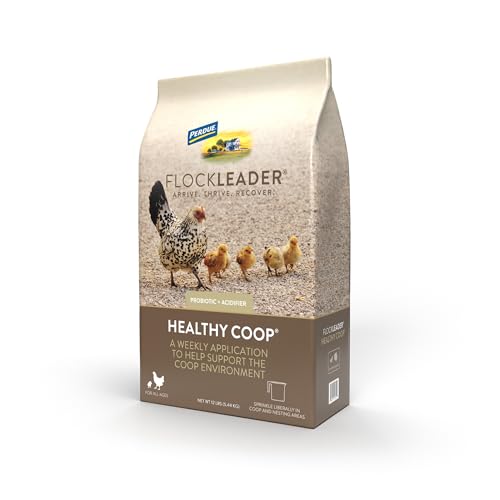
FlockLeader Healthy Coop Odor Neutralizer 12lb

HoazHoald 21oz Chicken Nesting Herbs Premixed
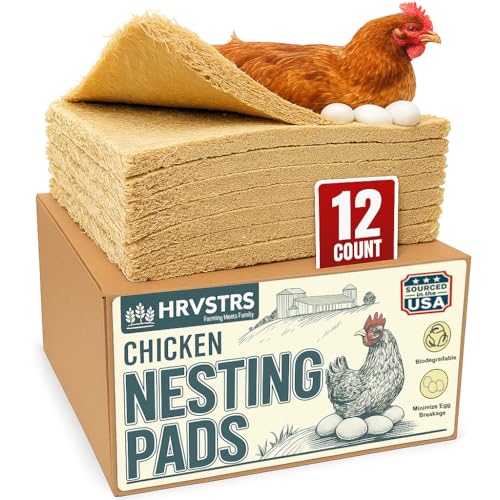
Trendiees USA Aspen Nesting Pads 12-Pack
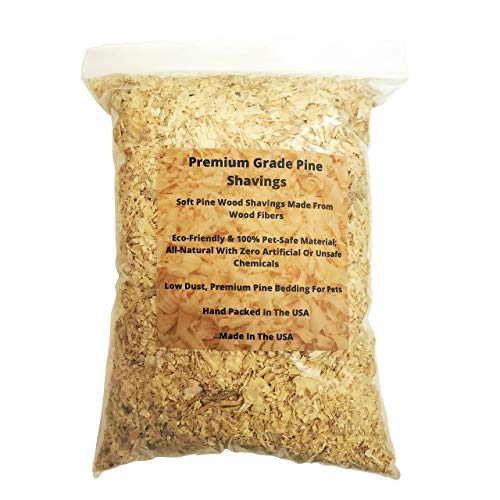
Wood Smith USA Premium Pine Bedding 4 Quart

Premium Chicken Sand 50 lbs Dust-Free Bedding
The Picks, Examined More Closely
Herbal nesting blends sit in a different lane from traditional bedding, and this MAQIHAN mix leans into that role with ten dried botanicals, including basil, dandelion, calendula, chamomile, oregano, lavender, and rosemary, plus crushed oyster shell. The oyster shell piece is the practical surprise: it doubles as a calcium source (calcium carbonate, the same compound hens need for strong eggshells) when they nibble it alongside their feed.
You scatter the herbs across the coop floor, nesting box, dust bath, or feeder, which means the blend works best as a topper layered over pine shavings or hemp rather than a stand-alone floor. For most backyard keepers, the aroma is the real draw, and a light sprinkle goes a long way.
Good Reasons To Consider
- Ten-ingredient botanical mix spreads easily across nest boxes and dust baths
- Built-in crushed oyster shell supports shell quality during peak laying
- Can be mixed directly into feed as a low-stress nutritional boost
- Available in 10 oz, 15 oz, 1.25 lb, and 1.88 lb sizes for flexible stocking
- Layered herbs may help mask coop odors between full cleanouts
Worth Bearing In Mind
- Not a replacement for absorbent bedding, so pairing is required
- Strong botanical scent may bother keepers sensitive to lavender or oregano
- Lightweight herbs can scatter quickly in active coops with heavy foot traffic
Key Product Details
Whose Nesting Box It Belongs On
Backyard keepers who already run pine or hemp bedding and want a fragrant, calcium-boosted topper will get the most out of this mix.
A Better Fit Elsewhere
For a self-contained nesting liner that doesn’t need to be paired with shavings, the Small Pet Select Chicken Nesting Pads offer a simpler grab-and-go option.
Manna Pro takes a different angle on coop care. Instead of replacing bedding, this 1.75 lb deodorizer is a compost-friendly additive (meaning the materials break down safely in a home compost pile rather than harming it) you sprinkle on top of your existing litter to absorb moisture and tamp down ammonia smells (the sharp, eye-watering odor that builds as droppings and urine break down).
It works well in tight coops where ventilation is limited, and because the formula is designed to integrate into compost, the soiled bedding still goes straight into the garden pile. For keepers in humid climates, that moisture absorption can be a quiet game changer, though the 1.75 lb size suits smaller setups best.
Noteworthy Benefits
- Targets ammonia at the bedding surface, where odor starts
- Compost-compatible, so used litter stays garden-friendly
- Lightweight 1.75 lb pail is easy to store near the coop
- Compatible with most standard pine, hemp, or straw bedding
Points To Note
- 1.75 lb may run short for large coops over a full season
- Needs reapplication more often in wet or overcrowded runs
- Powdery texture can stir up light dust during initial sprinkling
Who Will Love This
Small-flock keepers with damp coops who compost their litter and want an easy odor punch-up will appreciate the low-fuss format.
Look Elsewhere When
For a full probiotic approach across a larger flock, the FlockLeader Healthy Coop Neutralizer brings live bacteria into the mix.
Classic pine shavings remain the everyday workhorse for many chicken keepers, and PETSPICK’s 24L bag leans into that role. The shavings are kiln-dried (baked in a hot oven to drive out moisture and kill mold spores, also reducing the natural phenols that raw pine releases), which cuts dust and helps the wood soak up to roughly twice its weight in moisture.
There’s no added fragrance or aromatic oil, just a clean pine scent. Compared to the Eaton hemp bedding later in this list, this is a more budget-friendly floor option, and the soft flakes nestle well underfoot for heavier breeds.
Real Benefits
- Kiln-drying process keeps dust low and bedding drier
- Soft shavings cushion heavier breeds and protect feet
- No added oils or dyes, so no chemical residue in compost
- Natural pine scent helps neutralize mild odors
- 24L volume suits small to mid-size coops per bag
Honest Caveats
- Plain shavings still need a deodorizer in very humid climates
- May require more frequent full changes than hemp or sand
Best Suited To
First-time chicken keepers and budget-conscious small flocks who want a no-fuss, traditional pine setup will find this a comfortable starting point.
Not Your Match When
If ammonia is your biggest headache, the Eaton hemp bedding offers noticeably higher absorbency per pound.
Hemp hurd (the soft, woody inner core of the hemp stalk left after the outer fibers are removed) is the sleeper hit of the chicken-bedding world, and Eaton’s USA-grown version makes the case clearly. The brand claims up to twice the absorbency of pine shavings, and the texture is softer and lighter, which hens tend to enjoy for dust bathing and nesting.
It also handles moisture well, so damp runs stay drier between cleanouts. If you’ve been cycling through pine and still chasing ammonia, this is the kind of upgrade that pays off, though the 8 lb starter bag won’t carry a large flock through the month.
A Few Strong Suits
- Up to 2x the absorbency of pine shavings per pound
- Low-dust, soft texture is gentle on respiratory health
- Manages odor between routine bedding changes
- Compost breaks down efficiently in garden bins
- Versatile across chickens, rabbits, and small pets
Worth Noting
- Per-bag cost runs higher than traditional pine
- Lightweight texture can drift in open runs with strong wind exposure
Feature Snapshot
Who Should Grab It
Mid-size flock keepers in humid regions who want a low-dust, high-absorbency floor will get the most return from hemp.
Swap It Out When
For a budget-first floor layer, the PETSPICK pine shavings deliver a similar comfort level at a noticeably lower entry point.
These 13×13 inch pads are made from USA-sourced biodegradable craft paper (paper designed to break down naturally rather than persist in a landfill) and they slot into most standard nest boxes with no trimming. The trade is that you trade loose bedding management for a swap-and-go liner: when a pad gets soiled, you lift it out, drop a fresh one in, and compost the dirty pad.
Eggs tend to come out cleaner because the paper grips them rather than rolling them through dust. The 8-pack suits a small flock with four to six boxes, and at 13×13 inches, the pads fit common wooden and plastic nest boxes equally well.
Strong Points
- Compostable paper material returns nutrients to garden soil
- Cushioned surface reduces hairline cracks in freshly laid eggs
- Quick swap design saves morning coop-cleanup time
- Fits most 12×12 to 13×13 standard nest boxes
Trade Offs
- Paper may need replacing more often in heavily used boxes
- Less effective for hens that scratch deeply into the nest
- Single-use format creates ongoing replacement supply needs
The Right Fit
Keepers with standard-size nest boxes who want cleaner eggs and faster daily cleanup will find these pads genuinely time-saving.
Consider Something Else When
For a thicker, more cushioned liner in busy boxes, the Trendiees aspen excelsior pads offer a noticeably plusher surface.
FlockLeader takes the probiotic route: live, USA-grown bacteria (beneficial microorganisms that outcompete the bacteria that produce ammonia) suspended in a dry format that stays viable across the bag’s shelf life. The blend pairs those bacteria with organic acids and moisture absorbers, so you’re working the smell problem from three angles at once.
Available in 6 lb, 12 lb, and 12 lb twin packs, the size range is friendly to large flocks that go through litter quickly. The probiotic approach does require consistent application, so keepers who forget to refresh between cleanouts may not see the full payoff.
Useful Touches
- Multi-action formula addresses odor, moisture, and bedding pH (a measure of how acidic or alkaline the litter is; a balanced pH discourages odor-producing bacteria)
- Live bacteria are preserved through a proprietary drying process
- Made in the United States from USA-grown probiotic strains
- Larger pack sizes reduce per-application cost for big coops
A Few Limitations
- Effectiveness depends on regular reapplication
- 12 lb size may be more than a small backyard flock needs in one season
- Works best alongside routine bedding changes, not as a substitute
Spec Overview
Built With In Mind
Large-flock keepers and smallholders who already follow a scheduled bedding routine will see the strongest results.
Reach For A Different Pick When
For a simpler, non-bacterial approach in a small coop, the Manna Pro Coop ‘N Compost deodorizer is a more straightforward option.
The HoazHoald blend leans floral: eight dried ingredients including lavender, rose, mint, calendula, rosemary, chrysanthemum, wormwood, and cinnamon. The mix works as a topper over your main bedding, scattered in the coop or in nest boxes, and the larger 21 oz size is friendly to multi-flock or small-farm use.
Like the MAQIHAN blend earlier in this list, it’s not a floor replacement. Where it stands out is the rose-and-chrysanthemum pairing, which gives a softer aromatic profile for keepers who find strong herbs overpowering. For beginners experimenting with nesting-box scents, it’s a manageable entry point.
Advantages To Know
- Eight-botanical floral blend appeals to scent-sensitive keepers
- Larger 21 oz bag covers multiple nest boxes across many weeks
- Safe to mix into feed as an occasional nutritional supplement
- No synthetic fragrances or chemical additives
Soft Spots
- More of a coop freshener than a calcium source
- Lightweight petals may need daily redistribution in active coops
- Floral mix can clump if exposed to roof leaks or damp corners
Perfect Match For
First-year chicken keepers who want an easy, aromatic add-on to a basic pine or straw setup will find this blend approachable.
Skip It When
For a topper that also delivers calcium for shell quality, the MAQIHAN nesting herbs with crushed oyster shell is a more functional pick.
Where the Small Pet Select pads use craft paper, Trendiees goes with aspen excelsior (shredded, fibrous wood strands traditionally used as packaging and pet bedding) for a thicker, more cushioned nest surface. The 12-pack gives you a full rotation for larger coops, and the 12×12 size fits the most common wooden nest boxes with no trimming.
The aspen fibers wick moisture downward, which helps droppings fall through the pad rather than sit on top. Eggs stay cleaner and the pad itself is easier to lift out and replace. Aspen is a touch more expensive than paper, but the cushioning is noticeably plusher under heavier breeds.
Useful Highlights
- Thick aspen excelsior cushions eggs against hairline cracks
- Moisture-wicking design keeps the laying surface drier
- 12-pack covers multi-box coops across a full laying cycle
- 100% natural aspen with no synthetic binders or dyes
- Droppings filter through the fibers for easier cleanup
Some Limits To Know
- Loose excelsior strands can cling to eggs at collection time
- Thicker pad adds slight height to nest boxes, may need box adjustment
Quick Facts
Made For
Keepers with multiple nest boxes and heavier breeds like Orpingtons or Cochins who want a plusher, more protective laying surface.
A Better Fit Elsewhere
For lower-profile liners in smaller coops, the Small Pet Select craft paper pads are easier on the budget.
Wood Smith USA keeps things simple with a 4-quart bag of soft pine shavings, with no added aromatic oils, phenols (the natural aromatic compounds in raw pine that can irritate small-animal respiratory systems at high concentrations), or chemical dyes. The pitch is honest: a soft, low-dust floor layer for chicken coops, rabbit hutches, and other small-animal enclosures.
Because the bag is small, it works well for topping off a coop between full changes or for a small flock with one or two birds. For most coops, you’ll go through several bags per season, so it’s a trial-friendly entry point before committing to a larger format.
Where It Excels
- Soft shavings are comfortable underfoot for sensitive breeds
- Free of aromatic oils, phenols, and added color
- Natural pine scent helps control mild odors
- Versatile across chickens, rabbits, and other small pets
Practical Considerations
- 4-quart size runs out fast in standard coops
- Plain pine needs a deodorizer for high-ammonia conditions
- Smaller bag format means more frequent repurchasing
Right Fit For
Small-flock keepers and chicken owners who also raise rabbits or guinea pigs and want one shared bedding will appreciate the cross-species compatibility.
Where Another Pick Suits Better
For a larger volume in a single bag, the PETSPICK pine shavings deliver a similar comfort level in 24L format.
Sand is the long-haul option, and Premium Chicken Sand leans into that with a 50 lb bag of washed, screened, and dried granules. The uniform size means you can sift droppings out with a cat-litter scoop rather than doing full bedding swaps, which dramatically cuts weekly maintenance time.
Because the granules don’t break down the way shavings or hemp do, you replace far less material over the year. The dust-free formula also helps with respiratory health, both for the hens and for the keeper doing morning chores. For most coops, you may find a single 50 lb bag covers a small flock for many months.
Well-Handled Touches
- Washed and screened for consistent, uniform granules
- Dust-free formula supports respiratory health
- Easy sifting with a standard cat-litter scoop
- Lasts far longer than organic bedding options
- Reduces odor by improving airflow through the litter layer
Factors To Consider
- 50 lb bag is heavy to carry and store without a wheelbarrow
- Sand doesn’t compost as readily as pine or hemp
- Initial coop conversion takes effort if switching from loose bedding
Feature Card
Made For
Long-term chicken keepers with permanent coops who want to cut weekly maintenance and don’t mind skipping the compost pile.
Where A Sibling Pick Shines
For a bedding that breaks down into the garden, the Eaton hemp bedding is a better compost-friendly match.
What Matters Most When Choosing Beddings For Chickens
Absorbency And Moisture Management
Absorbency is the single biggest factor, because wet bedding feeds the bacteria that produce ammonia. Hemp bedding, like the Eaton option, leads on this front, with sand and pine close behind. Look for kiln-dried wood or screened sand for the driest, most consistent result, and remember that moisture management gets harder as flock size climbs.
Material Safety And Respiratory Comfort
Low-dust matters more than many first-time keepers expect. Fine particles irritate chicken airways, and a dusty coop can quietly suppress laying over time. Kiln-dried pine, washed sand, and low-dust hemp are all solid picks. Avoid raw wood with strong phenol content, untreated aromatic oils, and any bedding marketed with heavy added fragrances.
Maintenance Routine And Cleanup Style
Your schedule matters as much as the product. If you want to sift droppings weekly and skip full swaps, sand is the obvious direction. If you prefer monthly full changes, shavings and hemp fit that rhythm better. Nesting pads, like the Small Pet Select or Trendiees options, work best in dedicated laying boxes rather than across the entire coop floor.
Smart Choices Before You Stock Up
Traps First Timers Fall Into
Buying the cheapest pine shavings without checking dust levels is the most common misstep, since low-grade bags often arrive with fine particles that settle into the coop and into chicken lungs. A second slip is choosing a single material for the whole coop, when most experienced keepers run shavings or hemp on the floor and a separate pad inside the nest boxes. Finally, skipping the deodorizer in a small or poorly ventilated coop leads to ammonia buildup that no amount of bedding can mask.
Where The Extra Money Goes
Higher-tier beddings earn their cost in two places: absorbency per pound and dust control. Hemp holds more moisture than pine, so you change less often. Washed sand lasts months between top-ups. Premium nesting pads cushion eggs more reliably, which lowers breakage. You pay more up front, but the per-month cost often lands lower than you’d expect once you factor in reduced changes and healthier hens.
Frequently Asked Questions
How Often Should I Change My Chicken Bedding?
Most keepers do a full change every four to six weeks for shavings or hemp, with weekly spot-cleaning of heavily soiled areas. Sand extends that to several months because you sift droppings out rather than replacing the whole layer. Nesting pads typically get swapped every one to two weeks, depending on flock traffic.
Is Pine Bedding Safe For Chickens?
Yes, as long as it’s kiln-dried pine. The drying process drives off the natural phenols that can irritate respiratory systems in concentrated form. Avoid raw, untreated pine shavings with strong fumes, and skip cedar entirely because its oils are harsher on chicken airways.
Do Nesting Pads Really Make Eggs Cleaner?
They help noticeably, because the cushioned surface grips eggs rather than letting them roll through soiled shavings. Paper and aspen pads both absorb light moisture, so eggs come out with less manure smear. You’ll still want to brush off any stray debris at collection, but the rough scrubbing drops sharply.
Can I Mix Different Bedding Types Together?
You can, and many keepers do. A common combo is pine or hemp on the coop floor paired with a separate nesting pad in the laying boxes. You can also layer herbal nesting blends over the floor bedding for scent and added calcium. Just avoid mixing sand with organic bedding, because the sand contaminates and slows the compost cycle.
What’s The Best Bedding For Reducing Ammonia Smell?
For pure ammonia control, hemp bedding and probiotic neutralizers lead the field. Hemp absorbs moisture before bacteria can convert it into ammonia, while probiotic products use live bacteria to outcompete the smell-producing strains. A combination of the two, hemp on the floor and a periodic deodorizer sprinkle, is the strongest setup for smelly coops.
Wrap Up
The right bedding depends on your climate, your flock size, and how often you want to do chores. Hemp and sand lead on long-term absorbency, pine and paper pads cover everyday setups, and herbal toppers add scent and a small calcium boost. Start with your coop’s biggest pain point, whether that’s moisture, odor, or daily cleanup time, and match a material to that problem first.