

Most people spend a third of every day with their face pressed against their pillow, and that detail matters a lot when allergens are in the mix. The right setup, from encasings to pillows, can turn a sniffly night into a genuinely restful one. This guide walks through ten solid options for the bedroom, focusing on materials, weave density, and how each item handles the usual suspects: dust mites, pet dander, and pollen.
A Fast Comparison Of The Options

Clorox PURE Allergen Neutralizer Fabric Spray 26 oz
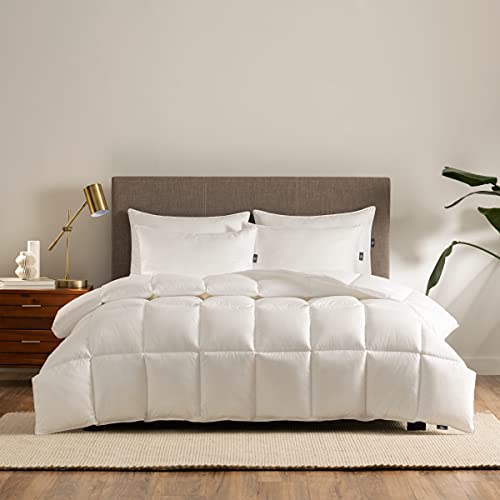
Serta Down Illusion Down Alternative Comforter Full/Queen
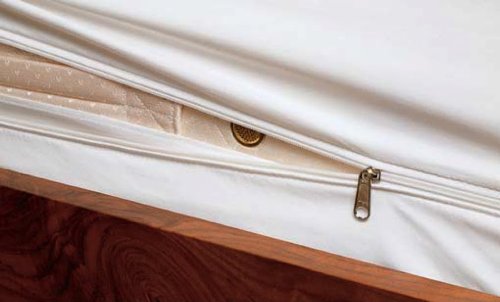
Mission: Allergy Premium Microfiber Mattress Encasing Queen 12″

FAUNNA 100% Cotton Mattress Encasement Queen 12″

Allersoft All Cotton Allergy Duvet Protector 86×86

Allergy Relief Circular Knit Mattress Protector Full
FAUNNA 100% Cotton Duvet Cover Queen

FAUNNA 100% Cotton Duvet Cover Protector Queen
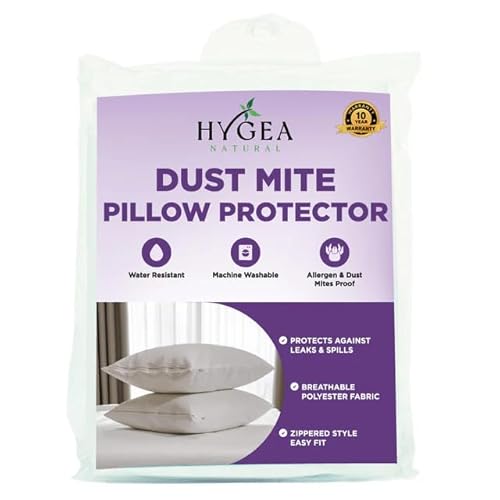
Hygea Dust Mite Pillow Protectors Queen Set of 2

AllerEase Platinum Adjustable Allergy Pillows 2-Pack
The Strengths Of Each Pick
Unlike the encasings and comforters in this list, the Clorox PURE Allergen Neutralizer is a fabric spray that goes on top of whatever you already own. It works on the things that can’t be zipped up: couch cushions, drapes, upholstered headboards, even the top of the mattress before a protector goes on.
The 26-ounce bottle covers a lot of ground in a typical home, and the nighttime fragrance option matters for anyone sensitive to perfume. The spray changes allergen proteins on contact rather than masking them, so it complements the encasings rather than replacing them. For people who rent and can’t replace their bedding, this is a low-commitment starting point.
The Good Stuff
- Targets pet dander, dust mite matter, and pollen on soft surfaces
- Neutralizes allergens rather than just covering scent
- 26 oz size suits a few rooms of fabric treatment
- Nighttime fragrance option is gentle on noses
- Useful between deep cleans when an encasing can’t help
Trade Offs
- Doesn’t replace physical barriers like encasings for severe cases
- Needs reapplication as you wash or vacuum treated fabrics
- Spot-test delicate fabrics before spraying a full cushion or curtain panel
Whose Bedroom It Belongs On
Renters, dorm rooms, and anyone wanting a fast add-on to existing bedding without a full swap will get the most from this spray.
Reach For A Different Pick When
The Mission: Allergy Premium Microfiber Mattress Encasing is the better call when you need a true physical barrier around the mattress itself.
Down comforters feel great until feathers end up on your pillow. The Serta Down Illusion sidesteps that entirely with a synthetic fill that mimics the loft and weight of real down, so allergy-prone sleepers don’t have to choose between plushness and clean sinuses. It’s labeled all-season, which is shorthand for a fill weight that works without a heavy duvet in summer.
The Full/Queen sizing fits standard beds, and the shell is meant to pair with a duvet cover for easier washing. Compared to the Allersoft duvet protector later in this list, this is a full comforter rather than a cover, so it replaces a feather comforter rather than sealing it. Anyone who runs warm at night may find the loft slightly insulating, depending on room temperature.
Real-World Strengths
- Synthetic fill removes feather allergy triggers
- Lightweight loft that mimics genuine down
- All-season weight avoids constant swapping
- Washes more easily than a traditional down comforter
Things To Consider
- Doesn’t trap allergens the way a sealed cover does
- Loft may feel warm in a hot bedroom without a breathable cover
Feature Snapshot
Right Fit For
Feather-sensitive sleepers who want a plush, lofted bed without dealing with a protective cover over a separate comforter.
Swap It Out When
The Allersoft duvet protector is the smarter pick for anyone who already owns a comforter and just needs a sealed barrier around it.
Most allergy bedding guides end up recommending an encasing like this one, and for good reason. The Mission: Allergy encasing wraps the entire mattress in a tightly woven microfiber with a mean pore size of around 2 microns, which is small enough to block dust mite allergen and pet dander while still letting air through.
Unlike membrane-based covers, this fabric doesn’t trap heat, so the bed doesn’t feel like a sleeping bag. The 12-inch depth suits the bulk of standard mattresses, and the encasing installs once and stays put under your regular sheets. In a layered setup, it pairs well with the pillow protectors near the end of this list for full coverage from mattress to pillow.
The Upside
- 2-micron pore size blocks dust mite particles and dander
- Air-permeable weave avoids the sweaty-membrane feel
- Silky soft surface is barely noticeable under a fitted sheet
- Zippered full encasement seals all six sides of the mattress
Points To Note
- Single-queen size limits mattress compatibility without checking depth first
- Initial install takes a few minutes alone because the fit is snug
- Surface is smooth rather than quilted, so a mattress topper sits on top
Key Attributes
Made For
Anyone with confirmed dust mite sensitivity who wants the highest level of physical allergen blocking without sacrificing sleep comfort.
Look Elsewhere When
The FAUNNA 100% Cotton Mattress Encasement fits better for sleepers who run hot and prefer natural fibers over microfiber.
Where the Mission: Allergy encasing leans on microfiber, FAUNNA goes the other direction with 100% cotton. Cotton is naturally breathable, so this encasing suits people who run warm, wake up clammy under synthetic covers, or simply prefer the feel of natural fibers against their skin.
The 12-inch depth is the same benchmark as several others on this list, which keeps things simple if you’re comparing across brands. The high thread count tightens the weave enough to act as a physical barrier, and the encasing is fully zippered. It washes like regular cotton bedding, which matters over years of ownership.
Features That Help
- Pure cotton construction breathes better than microfiber
- High thread count tightens weave for allergen blocking
- Hypoallergenic surface for reactive skin
- Full zippered encasement seals all six mattress sides
Honest Caveats
- Cotton weave pores run larger than specialty microfiber, so severe cases may need layered protection
- Higher thread count can feel warmer in summer months
Who It Suits Best
Hot sleepers and sensitive-skin households who want a natural-fiber barrier without going to membrane-style covers.
Where Another Pick Suits Better
The Mission: Allergy Premium Microfiber Mattress Encasing is the better match for severe dust mite cases that need the tightest possible pore size.
The Allersoft duvet protector is essentially a zippered bag for your comforter. Once your down or synthetic comforter goes inside, nothing gets in or out, which is exactly the point. Cotton construction keeps airflow strong, and the OekoTex certification means the fabric meets strict standards for chemical safety.
The 86×86 size is suited to queen and light-king comforters, and the cover zips around the entire piece so fibers stay locked in. It’s a different approach from the Serta Down Illusion: instead of replacing a feather comforter, you keep what you own and seal it. For people who love their existing comforter and don’t want to give it up, this is the cleanest path to keeping the bedroom allergen-controlled.
Useful Touches
- OekoTex-certified cotton for chemical-safety peace of mind
- Zippered seal contains down, feather, and fiber escapes
- Breathable cotton keeps the comforter’s feel intact
- Works with existing comforters, no replacement needed
A Few Limitations
- Adding a protector over a fluffy comforter can flatten the loft slightly
- Sizing requires a careful match to your current comforter dimensions
Best Suited To
Anyone with a beloved down comforter who needs to seal in feathers and dander without throwing out the comforter itself.
Consider Something Else When
The Serta Down Illusion Down Alternative Comforter is the cleaner choice if you’d rather skip feathers altogether from day one.
The Allergy Relief circular knit protector splits the difference between a simple pad and a full encasement. It stretches over the top of the mattress like a fitted sheet, which makes installation much easier than wrestling a six-sided encasement into place. The circular knit fabric feels soft, and the waterproof layer is built in for spill zones.
This is the protector to grab when accidents are a bigger concern than dust mites. Kids, pets, and late-night drinks all add up, and the waterproof backing handles them without requiring a separate layer. Compared to the FAUNNA encasing earlier, this one focuses on the top and sides rather than the underside, so it leaves the bottom of the mattress exposed. For most households that’s a fair trade.
Useful Highlights
- Waterproof layer handles spills, sweat, and accidents
- Soft circular knit top layer feels comfortable under sheets
- Stain-release finish helps with routine messes
- Easy to install over a standard mattress
Small Caveats
- Doesn’t fully encase the mattress, so dust mites can still reach the bottom
- Waterproof layer can trap some heat in warmer bedrooms
Who Will Love This
Family homes, pet households, and anyone who wants one protector to handle both allergy defense and the occasional drink spill.
A Better Fit Elsewhere
The Mission: Allergy encasing is the stronger pick for severe allergies, since it seals the entire mattress rather than just the top.
FAUNNA’s duvet cover takes a different angle than the Allersoft protector: it zips around the comforter and uses a tight cotton weave with pore sizes around 10 micrometers, which physically blocks dust mites from settling in. The cotton construction keeps things cool, and the cover itself is what you see and touch on the bed.
It works year-round because cotton handles both warm and cool seasons well, and the natural fiber is gentle on skin. Where the Allersoft version leans on OekoTex certification, this one prioritizes tight-weave performance. The honest read is that both are strong, and the choice often comes down to whether certification or pore size matters more in your household.
What Helps Most
- Tight cotton weave blocks mites from entering the comforter
- Natural cotton stays breathable across seasons
- Hypoallergenic surface suits reactive skin
- Zippered design keeps the comforter locked in place
Possible Compromises
- Initial washing may need extra rinse cycles to remove sizing
- 10-micrometer pores block mites but allow smaller pollen through
Perfect Match For
Everyday bedroom use where you want a duvet cover that does double duty as decor and allergen defense, especially in mixed-season climates.
Not Your Match When
The Allersoft protector is the better call if OekoTex certification and a tighter feather seal matter more than pore size.
This second FAUNNA duvet cover on the list shares the same cotton construction and pore-size approach as the previous entry, but the listing variant targets households refreshing a full bedding set. The cotton keeps things cool, the zipper locks the comforter in, and the natural fiber avoids the synthetic feel that some sleepers dislike.
For people who already have a Mission: Allergy or FAUNNA mattress encasing, this cover closes the loop on the comforter layer. It works well in master bedrooms where the bed is large and the seasons shift. A small thing worth considering: cotton duvet covers soften with each wash, so the hand feel keeps improving over time.
What Pays Off
- Pairs naturally with FAUNNA or Mission: Allergy encasings
- Breathable cotton handles warm and cool seasons
- Zipper design keeps the comforter from bunching
- Hypoallergenic surface supports sensitive skin
Details To Watch
- Cotton requires tumble-dry care to maintain softness
- Lighter colors may show staining in spill-prone homes
Built With In Mind
Anyone upgrading a full bedding set, from mattress to comforter, with consistent cotton materials across layers.
Skip It When
The AllerEase Platinum Adjustable Allergy Pillows are a smarter spend if your biggest issue is the pillow layer rather than the comforter.
Pillows are a quiet allergen hotspot, and zippered protectors like these from Hygea address that without forcing you to replace the pillows themselves. The set of two matches the standard bedroom arrangement, and the zippered closure keeps dust mites, dander, and sweat from working into the pillow fill.
These protectors slide under your regular pillowcases, so they don’t change how the bed looks. The Queen 20×30 sizing suits most standard pillows, and the polyester construction makes them easy to launder. Compared to the AllerEase pillows later in this list, these are protective covers rather than pillows, which makes them a smarter buy if your current pillows still feel supportive.
The Helpful Details
- Two-pack value suits couples or guest room refreshes
- Zippered closure seals the pillow completely
- Blocks dust mites, pet dander, and allergen buildup
- Polyester fabric launders easily in standard cycles
Trade-Offs To Consider
- Polyester doesn’t breathe as well as cotton alternatives
- Sound of the zipper can be noticeable when adjusting pillows at night
Who Should Grab It
Couples, guest rooms, and households refreshing a pair of pillows rather than buying new ones outright.
Where A Sibling Pick Shines
The AllerEase Platinum Adjustable Allergy Pillows make more sense if your existing pillows are flat and ready for replacement anyway.
The AllerEase Platinum pillows are the only all-new pillows on this list, and they solve a problem that protectors can’t: a flat, lumpy pillow that’s overdue for replacement. The hypoallergenic polyester fiberfill resists allergens, and extra fill ships in the box so you can dial in the firmness that suits your sleep style.
They arrive compressed, which means the first step is a fluff cycle in the dryer or some hand work to get them back to shape. The adjustable fill is the real standout feature: stomach sleepers can remove fill, side sleepers can leave it in. Compared to the Hygea protectors earlier, these are replacement pillows rather than covers, so they make sense when your current pillows are past saving.
Strengths Worth Knowing
- Adjustable fill lets you tune loft to sleep position
- Hypoallergenic fiberfill resists common allergens
- Two-pack suits a primary bed in one purchase
- Machine-friendly care keeps long-term maintenance simple
Less Ideal Details
- Compression packaging requires a fluff cycle before first use
- Polyester fill sleeps warmer than down-alternative options in hot rooms
The Right Fit
Shoppers replacing worn-out pillows who also want the option to customize firmness for back, side, or stomach sleeping.
Wrong Turns To Avoid
The Hygea Dust Mite Pillow Protectors are a better fit if your current pillows still feel supportive and you only need a barrier layer.
## Factors To Consider When Choosing Beddings For Allergies ### Material And Weave Density The two biggest drivers of allergen defense are fabric type and how tightly it’s woven. Microfiber, cotton, and polyester each have different pore sizes, and tighter weaves block smaller particles. Cotton breathes better, microfiber usually has the tightest pore ratings, and polyester tends to be the most affordable and easy to wash. For most households, a tight-weave cotton or microfiber encasing is the foundation, with breathable fibers on top to avoid the sweaty feel. ### Layered Protection Strategy Encasing the mattress, sealing the comforter, and zipping the pillows turns the bed into a controlled environment. Skipping any layer lets allergens back in through that gap. The Mission: Allergy encasing, Allersoft duvet protector, and Hygea pillow covers form one strong combination. Pairing them with a Clorox PURE spray for soft surfaces like curtains and upholstered headboards rounds things out for renters or shared bedrooms. ### Care And Maintenance Reality Every encasing and protector on this list is machine washable, which matters because allergen barriers only work if they’re cleaned on schedule. Cotton covers soften over time and may need extra rinse cycles early on. Polyester dries faster but can trap heat. The honest read is that the best barrier is the one you’ll actually launder every few weeks without dreading it. ### Reader Profile Match Severe dust mite sensitivity usually calls for the tightest pore size available, which points to specialty microfiber encasings. Mild seasonal allergies often do well with cotton covers and a neutralizer spray on surrounding fabrics. Hot sleepers should prioritize breathable fibers, while family homes with kids or pets benefit from waterproof layers in addition to allergen barriers. ## Key Considerations Across These Picks ### Pitfalls Shoppers Hit The most common slip is buying a mattress pad when an encasing is needed. Pads cover the top of the mattress and leave the sides and bottom exposed, which is enough for dust mites to keep colonizing inside. Another trap is assuming a “hypoallergenic” label alone blocks allergens; in practice, the weave and pore size do the real work. Skip loose-weave decorative covers for the allergy layer, and confirm that any protector is fully zippered rather than open-ended. ### What The Higher Tier Buys The priciest encasings in this category usually offer tighter pore ratings, better air permeability, and stronger zipper construction. The Mission: Allergy microfiber, for example, runs a 2-micron barrier without the heat trap of membrane covers. The upgrade is worth it for severe sensitivity or long-term ownership, since the encasing stays on the bed for years. For mild allergies, mid-tier cotton covers handle the job without the specialty price tag. ## Frequently Asked Questions ### Do mattress encasings really help with allergies? Yes, especially for dust mites and pet dander. A tightly woven encasing acts as a physical barrier, keeping allergens trapped inside the mattress and pillow rather than floating into the air you breathe while sleeping. ### How often should allergy bedding be washed? Encasing and protector covers benefit from washing every two to four weeks in hot water. Pillow protectors and duvet covers can run on the same schedule, while the underlying mattress and pillows stay sealed underneath. ### Are down alternative comforters safe for feather allergies? Generally yes, since the fill is synthetic rather than feather-based. You still benefit from sealing the comforter inside a protective cover, but the material itself no longer carries the allergens that natural down can release. ### Can I use regular pillowcases over allergy pillow protectors? Absolutely. The protector goes under the regular pillowcase, which means you keep the soft feel of your usual bedding while adding a hidden barrier between your face and the pillow fill. ### Is cotton or microfiber better for allergy bedding? Both work, and the choice often comes down to feel and heat. Microfiber usually has tighter pore ratings for the most severe cases, while cotton runs cooler and feels more natural against the skin for everyday sleepers. ## The Takeaway Allergy-friendly bedding works best as a system, not a single product. Start with the mattress encasing, seal the comforter, protect the pillows, and treat the soft surfaces that can’t go in the wash. Pick the materials and weave densities that match your sensitivity level, and keep a realistic laundry schedule so the barriers keep doing their job.