
Side-sleeping creases, morning puffiness, and a stiff neck tend to show up at the same time, and your pillow sits at the center of all three. The picks below cover the two camps this category splits into: ergonomic cervical memory foam that holds your head in neutral alignment, and contoured beauty-sleep shapes that reduce facial pressure and keep you face-up. Both angles matter if you care about how skin and posture hold up over time. A good pillow won’t replace a routine, but it removes a quiet, nightly source of compression and strain. The list ahead mixes clinical-style Italian design, post-surgery training tools, and everyday cooling options, so you can match the right shape to the way you actually sleep.
A Fast Comparison Of The Options

HAMYODO Cervical Neck Pillow for Pain Relief

HAMYODO Cervical Neck Pillow with Head Neck Shoulder Support

SLEEP & GLOW Omnia Anti-Aging Beauty Pillow (Made in Italy)
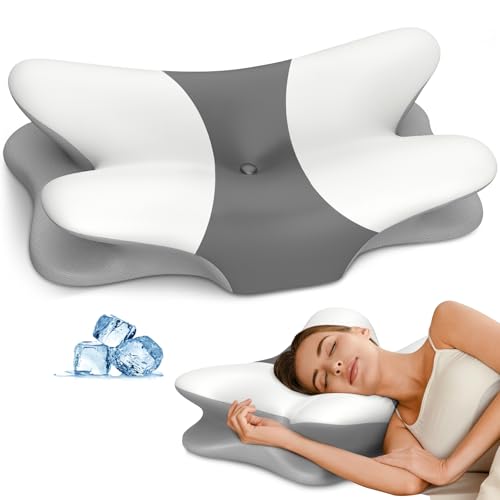
Besyodo Cervical Pillow for Neck Pain Relief (White & Grey)

NextSleep Best Back Sleeper Pillow

SLEEP SLEEK Flawless Face Beauty Pillow with Bamboo Cover

AOSSA Neck Stabilizer Pillow for Sleeping

AOSSA Back Sleeper Beauty Pillow
The Details Behind The Selections
The HAMYODO cervical pillow leans into a familiar contour shape: a raised side wall, a dipping center for the head, and a cutout that aims to cradle the neck rather than prop it up. The marketed “cooling” element typically refers to a breathable cover layered over standard memory foam, which matters for hot sleepers whose heat tends to build up under the head.
For anyone who flips between side and back sleeping through the night, the dual-height contour lets you rotate without a jarring height change. The trade-off shows up with very firm mattress setups, where the pillow’s medium-soft feel may feel underfilled at the higher lobe.
Strong Points
- Dual-height contour accommodates both side and back positions
- Memory foam core holds shape through the night, reducing morning flattening
- Removable cover usually goes into a standard wash cycle, easing upkeep
- Breathable outer layer helps regulate temperature for warm bedrooms
- Neck cutout keeps the cervical spine in a more neutral line for back sleepers
Worth Noting
- The off-gassing smell common to new memory foam may take a few nights to fade
- Side sleepers with very broad shoulders might find the lower lobe too thin
Feature Snapshot
Whose Shelf It Belongs On
Rotating side and back sleepers on a medium mattress who want a contour shape that does not lock them into one position.
Reach For A Different Pick When
Side sleepers with broader frames often get better shoulder clearance from the HAMYODO Head Neck Shoulder Support version further down this list.
This HAMYODO variant extends the contour past the neck, so the foam also catches the upper shoulder line where tension tends to pool. For side sleepers with broader builds, that extended wing prevents the head from tilting downward when the shoulder pushes into a standard pillow.
The cooling treatment here follows the same approach as the prior pick, with a breathable cover stretched over traditional memory foam. Most shoppers will find it easier to acclimate to than a wedge-style trainer, especially on the first night.
A Favorable Mix
- Extended shoulder wing keeps the head level for broader frames
- Multi-zone contour serves side, back, and stomach sleepers in one shape
- Foam density tends to recover overnight, so each morning starts with similar support
Trade Offs
- The bulkier profile can crowd standard pillowcases, so check your case size first
- Memory foam firmness may feel too high during a one- to two-week break-in period
Who It Suits Best
Side sleepers with broad shoulders who find most contoured pillows too thin at the edge.
Where A Sibling Pick Shines
Hot sleepers who run warm at night may prefer the SLEEP SLEEK Flawless Face Beauty Pillow, which uses a bamboo cover for a cooler surface.
The Omnia is the only pillow in this roundup with a published clinical trial behind it. The brand cites a Corium Dermatology study in Barcelona that tracked wrinkle length and volume reductions in regular users. Independent verification matters in this category, because “anti-aging” claims are easy to print on a label.
The shape differs from the cervical picks above. Instead of a deep neck cutout, it uses a height-adjustable orthopedic build that suspends the face rather than pressing into it. Made in Italy and positioned as a long-haul beauty-sleep tool, it suits shoppers who want the science angle baked into the design.
Practical Pluses
- Published clinical data on wrinkle length and volume, which is rare for this category
- Adjustable height lets you tune the loft to your shoulder width
- Face-suspension shape reduces cheek and chin compression during side sleeping
- Italian manufacturing tends to hold tighter tolerances on foam density
Points To Note
- Premium positioning means the cost runs well above memory foam basics
- Unique shape takes longer to get used to than a flat cervical contour
Feature Card
Made For
Skin-conscious back and side sleepers who want a published study behind the anti-aging claim rather than marketing copy.
Look Elsewhere When
Stomach sleepers generally get less benefit from any contoured beauty pillow, including this one, and may want a flat traditional pillow instead.
Besyodo markets a US-patented ergonomic contour, which sets expectations around spinal alignment rather than beauty-sleep effects alone. The shape works to cradle the head while the neck rests on the raised edge, so the cervical curve stays in a more neutral line through the night.
White and grey colorways make it a visual fit for most bedroom palettes, and the shape handles side, back, and stomach positions, though stomach sleepers typically only use the thinnest section. For chronic morning stiffness, that consistent alignment tends to matter more than any single material feature.
The Practical Payoff
- Patented contour shape is built for spinal neutrality during side sleeping
- Works across three sleep positions, useful for restless movers
- Neutral two-tone cover fits common bedroom color schemes
- Memory foam rebound reduces the need to fluff mid-cycle
Practical Considerations
- New foam often needs a 24 to 72-hour airing-out before the smell fully clears
- Stomach sleepers may find even the thinnest edge too thick to breathe comfortably
- Cover fabric tends to trap heat in warmer climates without a cooling pad
Best Suited To
Side and back sleepers waking up with stiff necks who want a contoured shape they can use every night without rotating positions.
Skip It When
Anyone prioritizing facial pressure reduction for skin reasons will get more targeted value from the SLEEP & GLOW Omnia above.
NextSleep’s back sleeper pillow solves a specific problem that most cervical pillows ignore: how to support the neck while lying face up without the head sinking toward the shoulders. The curved shape wraps into the neck and shoulder nook, so the head sits in a stable, slightly elevated pocket.
It is also useful as a training tool for anyone trying to shift away from stomach sleeping. The catch is the position requirement, since you need to actively pull the pillow down toward the shoulders and let the curve settle into place, which takes a few nights to learn.
A Few Highlights
- Curved geometry fills the shoulder nook, where standard pillows leave a gap
- Doubles as a back-sleep training tool for restless sleepers
- Stable face-up position helps reduce facial compression overnight
Minor Gripes
- Side sleepers will not get the lateral support they need from this shape
- Setup takes a few nights, since the curve has to be positioned deliberately
Who Will Love This
Committed back sleepers, plus anyone working to retrain themselves away from stomach or side positions.
Not Your Match When
Side sleepers with active nighttime movement usually need the dual-height HAMYODO Cervical Neck Pillow for Pain Relief instead.
The Flawless Face pillow is built around two priorities: keeping the face from pressing into a surface, and keeping that surface cool. The varying height levels cradle the head so the cheek and chin stay suspended, and a 100% bamboo cover wicks heat away from the skin better than standard polyester.
For anyone who wakes up with creased cheeks or puffy under-eyes, the lymphatic drainage angle is the genuine draw here, since gravity-assisted fluid movement happens naturally when the face is not buried in a pillow. The shape serves both back and side sleepers, though the side channels work best for medium-frame users.
Notable Upsides
- Bamboo cover stays cooler than poly covers, which helps in warm bedrooms
- Contoured channels keep cheeks and chin from pressing into foam
- Side and back positions both supported by the same shape
- Cervical contouring addresses neck pain alongside the beauty angle
Honest Caveats
- Bamboo covers require gentler wash cycles to maintain softness over time
- The shape can feel bulky under standard pillowcases sized for flat pillows
At A Glance
Perfect Match For
Hot sleepers dealing with both morning puffiness and skin creasing, who want a cover fabric that actively helps with temperature.
Consider Something Else When
Side sleepers needing a more clinical facial suspension design may want the SLEEP & GLOW Omnia further up the list.
The AOSSA Neck Stabilizer is a triangle wedge with two flanking positioning pillows, and it exists in a different category than the other picks here. The wedge keeps the head stable and the face pointed upward, while the side bolsters prevent the head from rolling once you fall asleep.
It was designed with post-cosmetic-surgery recovery in mind, where keeping the head elevated and motionless is part of the healing protocol. The same geometry also works as a back-sleep training tool, which is why it shows up in anti-aging pillow searches. The honest read is that this is a specialized tool, not a daily driver for everyone.
Everyday Advantages
- Triangle wedge elevates the head to reduce overnight fluid pooling
- Side bolsters prevent head rolling, useful during recovery periods
- Soft plush fabric stays comfortable against healing skin
Some Limits To Know
- Three-piece setup is bulkier than a single pillow and harder to store
- Side sleepers will not find a comfortable position on a wedge system
- Polyester fiber fill compresses faster than memory foam over time
Who Should Grab It
Anyone in the recovery window after facial or eye surgery, plus committed back sleepers training themselves off their side.
A Better Fit Elsewhere
Daily side sleepers looking for nightly comfort will find the HAMYODO Head Neck Shoulder Support version a more livable shape.
The AOSSA Back Sleeper Beauty Pillow takes a different approach to keeping you face-up. Instead of building a wedge, it straps onto your existing pillow with two adjustable bands, and the top cradle holds the head in a stable face-up position. The ice-feel fabric is the main comfort selling point, especially in summer.
The system works well as a training tool for side sleepers who want to transition gradually. The straps fit most standard pillows, and the liner uses supportive PP cotton to keep the head from drifting after you fall asleep. For committed side sleepers, the trade-off is a real one: the head simply will not turn.
Noteworthy Benefits
- Strap system attaches to existing pillows, so no need to retire your current one
- Cool-touch fabric helps with night sweats and warm bedrooms
- Head cradle prevents rotation, useful during facial recovery or wrinkle prevention
- Adjustable straps accommodate different pillow widths
A Few Limitations
- Side sleepers will feel restricted since the design blocks head rotation
- Straps need re-tightening periodically as fabric relaxes with use
Right Fit For
Side sleepers determined to retrain themselves into a back-sleeping position without buying a full wedge system.
Swap It Out When
Anyone who rotates freely at night will get more comfort from a free-standing contoured pillow like the Besyodo Cervical Pillow further up.
What Matters Most Before Choosing Anti-Aging Pillows
Sleep Position Drives Shape
Your dominant sleep position dictates the shape that will actually help. Side sleepers need a taller lobe so the head does not tilt down toward the shoulder, back sleepers need a flatter middle section with a neck crest, and stomach sleepers usually do best with a thin, soft profile. A pillow designed for a position you do not sleep in is just an expensive source of neck strain. Match the geometry to the position first, then worry about fabric and foam.
Material Affects Temperature And Feel
Memory foam offers slow rebound and contour, but it tends to trap heat. Bamboo covers and breathable knit layers help offset that, while latex alternatives run cooler but cost more. The honest trade-off: firmer foam holds alignment longer, softer foam feels more comfortable the first night but compresses faster. Most shoppers settle into a middle-ground density after a week.
Cover Care And Daily Maintenance
A pillow sits against your face for roughly a third of every day, so the cover needs to be washable. Removable zippered covers make the biggest difference in long-term hygiene, since they can go into a standard wash cycle without exposing the foam core. Bamboo and tencel covers tend to soften with each wash, while polyester covers hold their texture but breathe less.
Define Your Real Goal
A pillow can serve two distinct purposes: keeping the cervical spine in a neutral line, or keeping facial skin from compressing into a surface. Some picks, like the SLEEP SLEEK Flawless Face, attempt both. Others, like the AOSSA wedge, target one purpose with intensity. The honest read is that hybrid designs compromise on both ends, so decide whether skin or posture matters more to you before picking.
Key Considerations Across These Picks
Pitfalls Shoppers Hit
The most common mistake is choosing a pillow based on firmness alone, since foam density tells you little about shape geometry. Another trap is assuming a higher price equals a better pillow, when the more expensive pick may simply target a different sleep position. Finally, many shoppers skip the break-in period, then return a pillow that would have worked after a week of adjustment. Memory foam pillows especially need time for the foam to settle into your specific head and neck shape.
When Paying More Pays Off
Higher-tier picks like the SLEEP & GLOW Omnia tend to invest in published clinical evidence, more precise foam density grading, and country-of-origin manufacturing standards. For shoppers with specific skin concerns or chronic neck issues, that extra precision is worth it. For casual shoppers, a mid-range contour pillow will likely deliver most of the same alignment benefits at a lower cost.
Frequently Asked Questions
How long does it take to adjust to a new anti-aging pillow?
Most contoured memory foam pillows need a break-in window of one to two weeks before the foam fully adapts to your head and neck shape. Sticking with it past that window matters more than the first night’s comfort.
Can an anti-aging pillow replace a skincare routine?
No pillow can replace cleansing, moisturizing, or sun protection. An anti-aging pillow reduces mechanical compression and overnight fluid pooling, which supports skin appearance, but it is a complement to a routine, not a substitute.
Are memory foam pillows safe for sensitive skin?
Memory foam is generally well tolerated, though the off-gassing smell during the first few days can irritate airways in very sensitive users. Airing the pillow out for 48 to 72 hours before first use helps that initial odor fade.
Do I need a different pillow for back and side sleeping?
Most contoured options on this list use multi-zone shapes that handle both positions in one pillow, so a second pillow is usually unnecessary. If you spend more than 70 percent of the night in one position, however, a position-specific pillow will outperform a hybrid.
How often should an anti-aging pillow be replaced?
Memory foam cores generally last two to three years before losing rebound, while covers may need replacement sooner with nightly washing. Once the foam develops visible permanent indentations, alignment support drops noticeably.
Closing Remarks
The right anti-aging pillow depends less on brand and more on the position you actually sleep in. Side sleepers with broader shoulders get the most from a tall contour, back sleepers benefit from a flatter profile with a neck crest, and skin-focused shoppers should weigh the clinical evidence behind the SLEEP & GLOW Omnia. Start with your dominant position, then narrow by cover material and foam density. A pillow that matches how you actually sleep will outlast any trend in the category.