

Allergy season doesn’t end when you climb into bed, and for millions of people, the bedroom is where the worst symptoms quietly build. Dust mites, pet dander, and pollen collect in mattresses, pillows, and duvets over years of use, and standard sheets can’t keep them out. Allergy bed covers create a woven barrier between you and those triggers, and the right one can transform a stuffy, sneezy night into genuinely restful sleep.
The category splits into three formats: full encasements that zip around the entire mattress, fitted protectors that slip on like a sheet, and specialty covers for pillows and duvets. Materials range from tightly woven microfiber to cotton, Tencel, and polyester knits, each with different trade-offs around breathability, noise, and feel. What follows are ten options worth your time, picked for different budgets, sleeping setups, and allergy profiles.
The Main Contenders
Four Seasons Essentials Queen Mattress Protector Zippered Encasement

AllerEase Platinum Allergy Knit Pillow Protector Standard/Queen
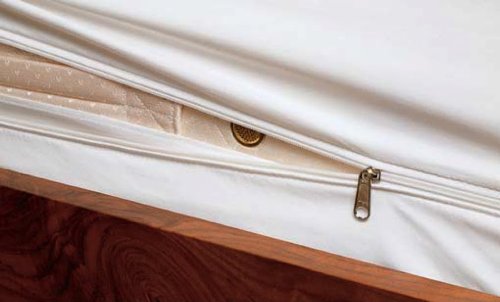
Mission: Allergy Premium Microfiber Mattress Encasing (Queen)

AllerEase CleanBoost Waterproof Fitted Mattress Protector, Queen

FAUNNA 100% Cotton Mattress Encasement Queen 12″

Allersoft All-Cotton Allergy Control Duvet Protector (66×86)

Protect-A-Bed Essential Waterproof Mattress Protector, Queen

Allergy Relief Circular Knit Fitted Mattress Protector Full

NORTHERNFARE King Tencel Waterproof Mattress Protector

Maestrino Twin Tencel Waterproof Mattress Protector
Inside Each Recommended Option
Full zippered encasements are the most thorough format in the allergy bed covers category, and this one wraps the entire mattress rather than just sitting on top. The Velcro zipper seal closes the gap that standard zippers leave open, which is the detail that matters most for anyone worried about dust mites migrating into the foam core.
Depth options go from 16 inches up to 24 inches, so pillow-top and extra-thick mattresses fit without struggle. For households where someone has dealt with a bed bug scare or wants maximum allergen containment, this format beats every fitted protector on the list.
Positive Points
- Six-sided zippered enclosure with Velcro seal closes the small gap where most encasements fail.
- Depth range covers nearly every modern mattress, from standard 16-inch profiles to plush 24-inch builds.
- Waterproof layer underneath the fabric defends against spills, sweat, and accidents for years.
- One-time installation makes it a set-and-forget barrier for households managing severe sensitivities.
Things To Consider
- Putting it on requires removing the mattress and wrestling the corners into place, a two-person job on most beds.
- The fabric isn’t the softest on this list, so a separate top sheet or pad improves the feel.
Who It Suits Best
Anyone managing serious dust mite allergies or recovering from a bed bug situation who wants a complete seal around the mattress.
Look Elsewhere When
The Mission: Allergy Premium Microfiber encasement is a quieter, softer alternative if you don’t need the deepest possible fit.
Pillows are where most people press their face for eight hours, and they’re also one of the most overlooked allergy hotspots. The AllerEase Platinum takes a tightly woven polyester knit and turns it into a plush-feeling shield that blocks dust mite particles without the crinkly texture of older protective covers.
The circular knit fabric wicks moisture when you run warm and holds warmth on cooler nights, which is unusual for an allergen barrier. Most products in this category force you to choose between protection and comfort, and this one threads that needle.
Where It Excels
- Circular knit construction feels closer to a regular pillowcase than a clinical barrier.
- Moisture-wicking finish helps the protector stay fresh between washes.
- Standard and Queen sizing covers the two most common pillow sizes in one product.
- Machine-washable on hot cycles, which is what allergen control actually requires.
Trade Offs
- Covers only the pillow, so it works best alongside a mattress encasement for full bedroom defense.
Key Specs
Made For
Side and stomach sleepers who press directly into the pillow and want allergen defense without a plastic-feeling surface.
Consider Something Else When
You also need full mattress coverage, in which case the Four Seasons Essentials encasement handles the foundation layer.
Mission: Allergy builds encasements specifically for the allergen-control market rather than the general bedding market, and that focus shows. The Premium Microfiber fabric uses an extremely tight weave with a mean pore size around 2 microns, which is small enough to block dust mite allergen while still letting air through.
You won’t notice it under the sheets, which sounds like a small thing until you’ve slept on a membrane-backed protector that traps heat. For asthma and severe allergy households where comfort often takes a back seat, this is the rare encasement that delivers both.
Reasons It Performs
- Two-micron pore size blocks dust mite allergen particles effectively for sensitive sleepers.
- Air-permeable weave avoids the hot, sweaty feeling common with membrane-style barriers.
- Soft microfiber hand sits invisibly beneath standard sheets.
- Brand focus on allergy-specific construction shows in the seam and zipper details.
Points To Keep In Mind
- Limited to a 12-inch depth, so it doesn’t fit pillow-top or thick hybrid mattresses.
- Not waterproof, so it pairs with a separate spill layer in homes with kids or pets.
- Specialty positioning tends to cost more than general-purpose encasements.
At A Glance
Best Suited To
Asthma and severe allergy households with standard-depth mattresses who prioritize allergen containment over spill protection.
Swap It Out When
Your mattress runs deeper than 12 inches, in which case the Four Seasons Essentials encasement offers the same sealed approach in taller sizes.
The CleanBoost layer is the most interesting feature in the category, a treatment that uses enzyme action to break down common household particles over time rather than just blocking them. It runs underneath a soft circular knit top that feels closer to a fitted sheet than a traditional protector.
Backed by a waterproof layer, the protector handles two jobs at once: blocking allergens and catching spills. The quiet fabric finish is the part people underestimate, because most waterproof protectors announce themselves with every move you make.
Standout Benefits
- CleanBoost enzyme treatment keeps working between wash cycles to reduce lingering particles.
- Soft circular knit top layer stays quiet under the sheets.
- Waterproof backing catches accidents without a plastic crinkle.
- Temperature-balancing weave wicks moisture for warmer sleepers.
Worth Noting
- Enzyme treatments typically lose effectiveness over many wash cycles, so the benefit fades faster than the waterproof layer lasts.
- Fitted-sheet design leaves the bottom of the mattress exposed, unlike full encasements.
Who Should Grab It
Parents and pet households who want a quiet, waterproof, allergen-aware top layer and don’t need a six-sided seal.
A Better Fit Elsewhere
The Protect-A-Bed Essential Waterproof Mattress Protector is a quieter everyday alternative with similar coverage if CleanBoost isn’t a priority.
Cotton allergy bed covers are rarer than the polyester and microfiber versions, and they tend to appeal to sleepers who react to synthetic fabrics on their skin. The FAUNNA encasement uses 100% cotton with a higher thread count, which makes it breathable in a way most encasements simply aren’t.
The natural fiber construction matters more than it sounds for hot sleepers. Polyester-backed protectors trap heat, and the cotton version of the format lets air move through the weave while still blocking dust mites from reaching the mattress.
Practical Advantages
- 100% cotton construction is naturally breathable and gentle on sensitive skin.
- Full encasement format seals the mattress on every side.
- Higher thread count softens the feel under standard sheets.
- Hypoallergenic profile appeals to shoppers avoiding synthetic fibers.
Points To Note
- Cotton holds moisture longer than synthetic alternatives, so drying time after washing increases.
- 12-inch depth limits compatibility with pillow-top and tall hybrid mattresses.
Perfect Match For
Hot sleepers and sensitive-skin households who prefer natural fibers and don’t need a deep-pocket fit.
Skip It When
Your mattress is thicker than 12 inches, in which case the Four Seasons Essentials zippered encasement covers deeper profiles.
Duvets and comforters are the most under-defended layer in most allergy-conscious bedrooms, because the fill itself is a magnet for dust mites. Allersoft specializes in woven cotton barriers that sit between the fill and your body, blocking dust, feathers, pollen, and pet dander from accumulating inside the comforter.
The patented weave is the key detail. It filters particles without the membrane backing that makes other allergy covers hot and crinkly. Inner and outer corner ties keep the duvet from shifting inside the cover during the night.
A Strong Showing
- Woven cotton construction avoids the heat and crinkle of membrane-backed covers.
- Blocks dust, feathers, pollen, and pet dander from penetrating the comforter fill.
- Inner and outer ties keep the duvet from bunching inside the protector.
Honest Caveats
- Sizing focuses on specific comforter dimensions, so measuring before ordering is essential.
- Doesn’t cover pillows or mattresses, so it works best as part of a layered defense.
Feature Snapshot
The Right Fit
Households with down or feather-filled comforters who react to the fill itself, or anyone with pet dander building up in the duvet.
Another Choice May Suit
The AllerEase Platinum pillow protector handles the pillow layer when allergies focus more on where your head rests than on the duvet.
Protect-A-Bed is a recognizable name in the mattress protection category, and the Essential model focuses on the things most households actually need: a waterproof barrier, a quiet knit top, and a fitted-sheet install that takes about thirty seconds. The 100% polyester knit top has a smooth feel that disappears under the sheets.
You may find this is a better everyday fit than specialty encasements if you don’t need full allergen sealing. The fitted design slides on like a regular sheet, which matters for anyone who washes their protector weekly.
Everyday Perks
- 100% polyester knit top feels closer to a regular sheet than a clinical barrier.
- Waterproof layer shields the mattress from spills, sweat, and skin cells.
- Quick fitted-sheet install simplifies weekly wash routines.
- Known brand name makes replacement parts and additional sizes easier to find.
Potential Drawbacks
- Open bottom leaves the underside of the mattress exposed to dust mites.
Key Specs
Whose Shelf It Belongs On
Mainstream households who want simple, washable mattress protection without the commitment of a zippered encasement.
Reach For A Different Pick When
You need full mattress sealing against dust mites, where the Four Seasons Essentials encasement handles every side.
The Allergy Relief circular knit protector is a budget-friendly fitted option that covers the basics without the specialty fabric claims of higher-end models. The stain-release finish is a useful touch for households with kids, and the soft top layer avoids the plastic feel that turns people off waterproof protectors.
It fits mattresses up to 18 inches deep, which covers most standard and slightly pillow-topped profiles. For shoppers building an allergy routine on a tight budget, this is a reasonable starting point.
Everyday Wins
- Stain-release finish simplifies cleanup of everyday spills and accidents.
- Soft circular knit top reduces the plastic feel common in waterproof protectors.
- Fits mattresses up to 18 inches deep for versatile compatibility.
- Machine-washable construction supports frequent laundering.
Worth Bearing In Mind
- Allergen claims aren’t as rigorously documented as the specialty allergy brands on this list.
- Fitted format leaves the bottom of the mattress exposed.
- Stain-release finish may fade faster than the waterproof layer with repeated hot washes.
Who Will Love This
Budget-focused households who want waterproof allergy-aware protection on a full-size mattress without specialty pricing.
Where A Sibling Pick Shines
The AllerEase CleanBoost protector offers a more established allergen treatment system if enzyme-action protection matters more than budget.
Tencel (a branded lyocell fiber made from wood pulp) is the material most cooling mattress protectors use, and NORTHERNFARE builds the whole top layer out of it. The fabric wicks heat and moisture away from the body, which is the part that matters for hot sleepers who usually find waterproof protectors too warm.
The noiseless construction lives up to the claim, with no plastic crinkle when you shift at night. For King beds where two people generate more heat than one, the cooling profile is what separates it from most competitors.
A Few Strong Suits
- Tencel top layer wicks heat and moisture for noticeably cooler sleep.
- No plastic crinkle means quieter nights for sensitive sleepers.
- Waterproof backing holds up to spills without changing the fabric feel.
- Deep pocket design fits taller King mattresses without slipping.
Some Limits To Know
- King sizing only, so Queen and Full shoppers need a different option.
- Tencel can feel slicker than cotton for sleepers who prefer grippy sheets.
Feature Card
Built With In Mind
Hot sleepers sharing a King bed who have given up on other waterproof protectors because of the heat.
Not Your Match When
You sleep on a Queen or Full, in which case the Maestrino Tencel protector offers similar cooling in a Twin format.
Maestrino rounds out the list with a Twin-size Tencel protector aimed at guest rooms, kids’ rooms, and college beds. The Oeko-Tex certification matters here, because it confirms the fabric has been tested for harmful substances, which is the kind of detail parents tend to look for.
The universal fit design accommodates mattresses from 6 inches up to 20 inches, which makes it a versatile pick for non-standard beds. The cooling Tencel surface runs underneath without changing the feel of the sheets on top.
Why It Works Well
- Oeko-Tex certification provides independent verification of fabric safety.
- Universal fit covers mattress heights from 6 to 20 inches.
- Tencel surface wicks heat and moisture for comfortable sleep.
- Hypoallergenic profile suits guest rooms with rotating visitors.
What To Weigh
- Limited to Twin sizing, so it doesn’t work for full bedroom sets without buying multiple units.
Right Fit For
Guest rooms, kids’ beds, and dorm setups where the cooling Tencel feel and certification details earn their keep.
Where Another Pick Suits Better
For a King bed, the NORTHERNFARE Tencel protector offers the same cooling profile in a larger size.
What Matters Most In Allergy Bed Covers
Barrier tightness is the single most important detail. Dust mite allergen particles measure around 10 to 40 microns, but the particles that actually trigger symptoms are smaller fragments. A truly effective allergy cover uses either a tightly woven fabric with a mean pore size under 10 microns, or a membrane layer that physically blocks particles. Woven cotton, microfiber, and polyester knits all handle this differently, and the difference shows up in how hot the cover sleeps.
Material choice drives comfort as much as protection. Cotton breathes well but holds moisture during washing, Tencel wicks heat effectively and has a smooth hand, polyester knits feel familiar but can trap warmth, and membrane-backed covers are the most protective but the noisiest and hottest. Most shoppers end up trading a small amount of filtration for a meaningful gain in comfort.
Format matters based on the layer you’re protecting. Mattress encasements zip around the entire mattress and seal every side, fitted protectors slip on like a sheet and leave the bottom exposed, and specialty covers handle pillows, duvets, and comforters individually. Severe allergy households usually run all three layers, while moderate cases often get away with a fitted mattress protector and pillow covers.
Care routine is the part people underestimate. Allergy covers only work if they’re washed regularly on hot cycles, because dust mites accumulate on the outside of the barrier over time. Check the care label before buying, since some materials tolerate hot water better than others, and confirm the protector can go in the dryer on a setting that won’t damage the waterproof layer.
Smart Buying Advice For Allergy Bed Covers
Pitfalls Shoppers Hit
The most common mistake is buying a protector based on thread count or marketing terms without checking the actual barrier spec. A high thread count doesn’t always mean a tighter weave, and some “allergen” covers rely on chemical treatments that wash out within months. Look for pore size or specific weave descriptions rather than vague hypoallergenic claims.
Another trap is matching the wrong format to the allergy profile. Fitted protectors leave the bottom of the mattress exposed, which is fine for mild sensitivities but a problem for severe cases where dust mite colonies can establish themselves in the unprotected underside. Measure mattress depth before ordering, because a 12-inch encasement on a 16-inch mattress won’t seal properly.
Where The Extra Money Goes
Premium covers justify their cost with tighter weaves, better materials, and longer-lasting waterproof membranes. The Mission: Allergy microfiber, the Allersoft duvet protector, and the Tencel-based options all use materials that hold up to years of hot washing without losing filtration or softness. Cheaper protectors save money upfront but often need replacing within a year or two, especially in households that wash weekly.
Certifications like Oeko-Tex add cost by requiring independent fabric testing, but they confirm the cover itself doesn’t introduce new irritants. For households managing multiple sensitivities, that verification is worth the premium over unverified alternatives.
Frequently Asked Questions
Do allergy bed covers really help with dust mite allergies? Yes, when the weave is tight enough to block allergen particles. Covers with documented pore sizes under 10 microns create a physical barrier between you and the mites living in your mattress.
How often should I wash allergy bed covers? Every two to four weeks on a hot cycle works for most households. Severe allergy sufferers often wash weekly, and the cover needs to tolerate hot water without delamination.
Can I use an allergy cover with a regular fitted sheet on top? Absolutely, and you should. The allergy cover goes directly on the mattress, then your regular fitted sheet goes over it. Most covers are designed to feel invisible under standard bedding.
Do I need different covers for the mattress, pillows, and duvet? For full protection, yes. Dust mites live in every soft layer of the bed, so sealing only the mattress leaves the pillows and duvet as ongoing exposure sources.
Will a waterproof protector also block allergens? The waterproof membrane blocks both liquids and particles, but it tends to sleep hot and crinkle. Woven allergen covers breathe better but don’t handle spills, which is why many shoppers layer a waterproof protector over an allergen encasement.
Closing Thoughts
The right allergy bed cover depends on what you’re protecting against and how much comfort trade-off you can tolerate. Severe allergy households usually need full encasements plus pillow and duvet layers, while moderate cases often do well with a quality fitted protector and pillow covers. Material choice comes down to whether you sleep hot, and format choice comes down to how thoroughly you need to seal the bed. Pick the layer that matches your symptoms first, and the rest of the routine builds from there.