

10 Best Alternatives Down Duvet Insert for 2026: Soft, Cool, and Cozy
You’re hot under the covers at 2 a.m., flipping the duvet over for the cool side that never seems to arrive. Goose-down bedding can feel luxurious on the showroom shelf, yet it brings real baggage: animal-derived fill, allergy triggers, dry-clean-only care, and price tags that climb with the loft. Down-alternative duvet inserts solve most of that, and the latest batch for 2026 brings thoughtful fabric choices, smarter fill weights, and corner loops that actually grip your cover. The ten picks below cover the spread: bamboo for hot sleepers, plush microfiber for cold bedrooms, lightweight cotton for shoulder seasons, and feather-fiber blends for traditionalists who still want the puff.
A Side-By-Side Look
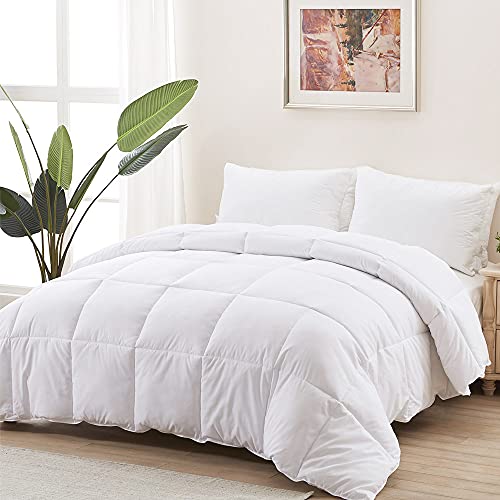
ACCURATEX 400GSM Down Alternative Comforter (Queen)
Olive + Crate Bamboo Comforter Queen (Navy)

Olive + Crate Bamboo Comforter Queen (Green)
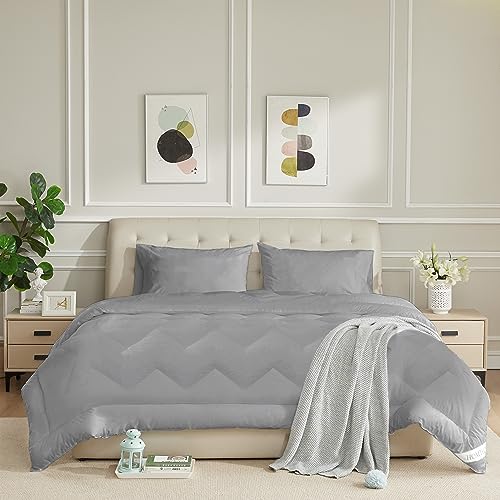
HOMTEC Cotton Comforter Queen (Dark Gray)
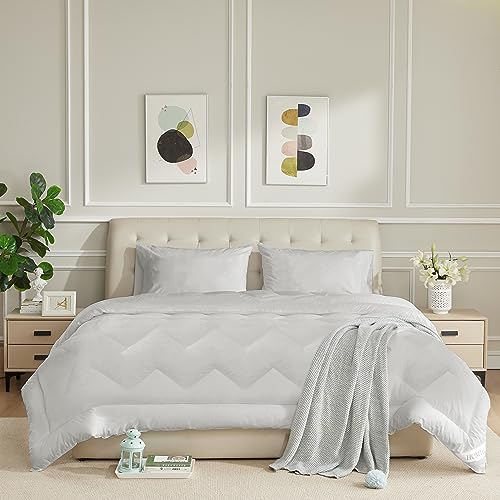
HOMTEC Cotton Comforter Queen (Light Gray)

Serta Goose Feathers Down Fiber Comforter (Queen)

Chezmoi Collection Down Alternative Comforter Queen

Moonsea Down Alternative Comforter Queen (White)

Moonsea Down Alternative Comforter (Navy)

Moonsea Down Alternative Comforter (Grey)
A Breakdown Of The Leading Choices
The ACCURATEX 400GSM comforter earns its spot first because it solves the most common winter complaint: thin, limp duvets that flat-line by January. GSM (grams per square meter) measures fill density, and 400 lands firmly in the cold-weather zone, the kind of heft that traps warmth on a drafty night. The shell uses a peach-skin fabric, a finely brushed microfiber with a soft, sueded hand that feels less synthetic than standard polyester covers. For a primary bedroom that runs cool in December, the loft here is generous without crossing into furnace-grade territory.
Compared to the bamboo picks coming up, this one trades breathability for warmth, so hot sleepers should probably look past it. Corner loops aren’t always called out for this model, so a duvet cover with internal ties is worth pairing. A good fluff-and-air routine every couple of weeks keeps the microfiber fill from settling flat.
Everyday Advantages
- High 400GSM fill delivers real warmth on cold nights, useful if you keep the thermostat low.
- Peach-skin microfiber shell feels softer than standard brushed polyester, and resists pilling through normal machine cycles.
- Mid-weight drape works as a year-round duvet in milder climates and a winter layer in colder ones.
- Down-alternative fill sidesteps feather allergies and the dry-clean-only rule that real down carries.
Points To Note
- The thickness can feel heavy in summer, especially in sun-facing bedrooms above 75°F.
- Microfiber doesn’t breathe as well as cotton or bamboo, so warm sleepers may want the Olive + Crate options instead.
Right Fit For
Cold-bedroom dwellers and anyone who wants one duvet that pulls double duty across fall and winter without feeling skimpy.
Swap It Out When
You sleep hot or live in a humid climate; the Olive + Crate Bamboo Comforter Queen (Navy) breathes far better on steamy nights.
If the ACCURATEX leans cozy, the Olive + Crate Bamboo Comforter goes the other direction and stays cool. The shell is 100% bamboo viscose, a regenerated cellulose fiber that feels noticeably cooler to the touch than cotton or polyester the moment you slide in. Bamboo viscose also wicks moisture away from the body rather than trapping it, so the comforter works through humid August nights when standard microfiber feels clammy. The deep navy tone hides a lot, which matters if you’re not washing the duvet cover every week.
Stacked against the ACCURATEX 400GSM, this one has a thinner profile, so cold-bedroom sleepers may find it insufficient for January. Bamboo viscose is also more delicate than cotton: a gentle cold cycle and line drying keep the fibers from pilling. In our view, it earns its place in any warm-climate linen closet.
Bright Spots
- Bamboo viscose shell stays cool on contact and pulls moisture off the skin during the night.
- Breathable weave prevents the clammy, trapped-heat feeling common with polyester comforters.
- Navy color masks minor stains and fading between cover washes.
- Plant-based fiber suits shoppers avoiding animal-derived fills or synthetic-heavy bedding.
Trade Offs
- Loft is moderate, so freezing bedrooms may need to layer a blanket underneath for real warmth.
- Bamboo viscose asks for gentler wash cycles, and machine drying on high heat can damage the fibers over time.
Best Suited To
Hot sleepers, anyone in a humid coastal or southern climate, and people whose AC never quite keeps up in July.
Look Elsewhere When
You run cold at night; the ACCURATEX 400GSM Down Alternative Comforter (Queen) traps far more heat for winter use.
The green version of the Olive + Crate Bamboo Comforter shares nearly every spec with the navy one above: same 100% bamboo viscose shell, same temperature-regulating weave, same 88-by-90-inch queen footprint. Where it differs is purely aesthetic, and that matters if you want the duvet to peek out from a white cover or sit beneath a sage quilt. For warm sleepers outfitting a guest room or a teenager’s bed, the breathable viscose keeps the whole setup from feeling like a sauna.
Like its sibling, the loft leans light, so you may find it underwhelming in January without a layered blanket. Bamboo viscose also wrinkles more than cotton after a wash, so expect a quick tumble on low or a flat dry. Given that the construction mirrors the navy option, the choice here really comes down to color and cover pairing.
The Helpful Details
- Same moisture-wicking bamboo viscose shell as the navy version, helpful for night sweats.
- Green tone complements earth-toned duvet covers and linen bedding without clashing.
- Light loft means it packs down small in a linen closet, leaving room for seasonal blankets.
- Plant-based fiber avoids common animal-fill allergy triggers and odors.
Honest Caveats
- Thin fill may not cut it for cold bedrooms during winter; plan a layering piece.
- Green dye may show fading if the duvet sits in direct sun through a window, so rotate cover washes.
Quick Facts
Whose Shelf It Belongs On
Warm-climate homes, anyone outfitting a guest room with light bedding, and people who want a plant-based fill without the bamboo care trade-offs of thicker weaves.
Reach For A Different Pick When
You want a natural fiber with more traditional cotton drape; the HOMTEC Cotton Comforter Queen (Light Gray) fills that slot nicely.
The HOMTEC Cotton Comforter brings a 100% cotton shell to the table, and that’s the headline feature for shoppers who don’t want any synthetic layer against their face. Cotton breathes more openly than microfiber but less aggressively than bamboo viscose, putting it in a comfortable middle ground for most sleepers. The 200GSM down-alternative fill keeps the loft on the lighter side, which is ideal for spring and fall layering. Dark gray also hides wear better than white, useful in a kid’s room or a frequently used guest bed.
Stacked against the ACCURATEX 400GSM, this duvet runs noticeably cooler and flatter, so it won’t replace a winter-weight comforter in a cold climate. Cotton also wrinkles more than microfiber after a wash, and a quick tumble dry on low helps. The wave-quilted pattern keeps the fill from bunching into corners.
Noteworthy Benefits
- 100% cotton shell feels natural against the skin and breathes well through shoulder seasons.
- 200GSM fill makes it easy to layer with a heavier blanket in winter or use solo in spring.
- Dark gray tone forgives minor stains and fits modern, neutral bedroom palettes.
- Wave quilting keeps the down-alternative fill evenly distributed without clumping.
Worth Bearing In Mind
- Light fill means cold bedrooms may need a layered blanket for real warmth in January.
- Cotton wrinkles after washing, so expect some touch-up drying or low-heat tumble cycles.
Made For
Allergy-prone sleepers who want natural fibers and anyone seeking an all-season duvet for spring and fall layering.
Where Another Pick Suits Better
You need a thicker, warmer duvet for a cold master bedroom; the ACCURATEX 400GSM Down Alternative Comforter (Queen) handles that role with deeper fill.
Functionally identical to the dark gray HOMTEC above, this light gray version swaps the colorway and the same goes for the spec sheet. The 100% cotton shell and 200GSM down-alternative fill make it a versatile, year-round workhorse. Light gray hides less than dark gray but pairs with brighter duvet covers if you like rotating your bedroom look. For guest rooms, the soft tone photographs well and looks clean even between washes.
Like its sibling, the 200GSM loft is a touch thin for deep winter, and cotton wrinkles more than microfiber after a cycle. Wave quilting keeps the fill locked into place, which matters more than people realize once the cover starts shifting. In most homes, this is the kind of duvet you forget about because it just works.
The Case For It
- 100% cotton shell and 200GSM fill create a balanced weight for spring through fall.
- Light gray reads as a soft neutral that pairs with white, ivory, or pastel duvet covers.
- Wave quilting prevents the fill from clumping or pulling toward corners over time.
- Down-alternative polyfill stays easy to wash at home, no dry cleaner required.
Practical Considerations
- 200GSM fill runs light for January in cold homes, so a layered blanket may be needed.
- Cotton shell can take longer to dry than microfiber, and high heat risks shrinkage.
Feature Snapshot
Who Should Grab It
Guest-room owners, renters, and anyone outfitting a primary bedroom that runs moderate year-round without heavy HVAC swings.
Consider Something Else When
You need a duvet that performs in the deep cold; the Serta Goose Feathers Down Fiber Comforter (Queen) brings more loft and a feather-fiber feel.
The Serta Goose Feathers Down Fiber Comforter pulls in a different direction from the all-synthetic options above. The fill is a blend of white goose feather fiber and white goose down fiber, a hybrid that mimics the loft of traditional down while keeping the price tag in a friendlier range. End-to-end sewn-through construction is the quiet hero here: it stops the fill from migrating into clumps or sliding toward one corner when you toss the covers back. Eight corner loops give a duvet cover something to grip, so the insert doesn’t bunch inside the cover.
Where it diverges from a pure down-alternative is the allergen profile, since feather fiber can still trigger sensitivities in some users. The oversize queen dimensions also mean a more generous drape over a standard queen bed, useful if you have a deep mattress. For traditionalists who want a hotel-style puff without the dry-clean-only price hike, this one earns its place.
What Pays Off
- Goose feather and down fiber blend creates the lofty, traditional puff most people associate with high-end bedding.
- Eight corner loops keep a duvet cover anchored, so the insert doesn’t slide around inside.
- Sewn-through construction distributes the fill evenly and prevents corner clumping.
- Oversize queen dimensions offer a deeper drape over thicker mattresses.
Things To Weigh Up
- Feather fiber may bother sensitive allergy sufferers, so look elsewhere if down-related triggers are a concern.
- Loft runs warm, making it less versatile for hot sleepers during summer months.
Who Will Love This
Traditional bedding fans who want a hotel-style look, plus owners of deep mattresses needing a generous drape.
Skip It When
You deal with feather sensitivities; the Moonsea Down Alternative Comforter Queen (White) gives a similar plush look without animal-derived fill.
The Chezmoi Collection Down Alternative Comforter sits at the lighter end of the spectrum, and that turns out to be its biggest selling point. The fill is a medium-warmth down alternative, a useful middle ground that works through spring, summer, and most of fall in temperate climates. White coloring makes it the most photogenic pick on the list, and it slips invisibly under a printed or patterned duvet cover. Corner tabs keep a cover tied down, which matters for restless sleepers who wake up with the insert pulled to one side.
Where it doesn’t compete is the cold-weather ceiling, so don’t expect it to anchor a January bedroom in a drafty house. The 90-by-92 inch queen sizing gives a slightly more generous cut than some 88-by-88 alternatives. In our view, the easy-care story here is the real draw: cold wash, low tumble dry, and it bounces back.
What Helps Most
- Medium-warmth fill works across three seasons in moderate climates, no need to swap duvets.
- Hypoallergenic down alternative skips feather-related allergy concerns.
- Machine-washable construction makes care simple for dorm rooms and rentals.
- Corner tabs let you tie a duvet cover securely, so the insert stays put.
Small Caveats
- Light fill may leave cold-bedroom sleepers reaching for an extra blanket in deep winter.
- White color shows through lighter duvet covers if the stitching shifts, so a snug cover fit helps.
Feature Card
Built With In Mind
Dorm rooms, guest bedrooms, and warm-climate homes where a heavy winter duvet would be too much.
Not Your Match When
You need a cold-weather anchor; the ACCURATEX 400GSM Down Alternative Comforter (Queen) carries far more warmth for January nights.
The Moonsea Down Alternative Comforter in white is the soft-serve, no-drama option on this list. Premium microfiber shell, siliconized fiberfill, and quilted construction combine into a comforter that feels close to traditional down without the dry-cleaning headaches. The OEKO-TEX Standard 100 certification means the textiles have been third-party tested for harmful substances, which matters for households with curious toddlers or sensitive skin. At 88 by 88 inches, it’s a slightly trimmer queen cut than some competitors, useful if your duvet cover runs small.
Compared to the ACCURATEX 400GSM, this Moonsea runs lighter, so the cold-weather ceiling isn’t as high. Microfiber also doesn’t breathe as well as cotton or bamboo, and warm sleepers may find it too insulating. It’s the dependable middle of the road: easy to wash, easy to fit into a cover, easy to forget about.
Why It Works Well
- OEKO-TEX Standard 100 certification gives peace of mind for sensitive households.
- Siliconized fiberfill resists clumping and keeps the loft even through repeated washes.
- Premium microfiber shell feels softer than basic polyester covers.
- All-season weight works for most climates without needing a backup duvet.
A Few Limitations
- Microfiber shell can trap heat in warm bedrooms, so very hot sleepers should consider the Olive + Crate bamboo picks instead.
- 88-by-88 inch queen cut runs smaller than oversize alternatives, so confirm cover fit before buying.
The Right Fit
Family households, first-time duvet shoppers, and anyone wanting a safe, certified fill that handles frequent washing.
A Better Fit Elsewhere
You want a heavier cold-weather comforter; the ACCURATEX 400GSM Down Alternative Comforter (Queen) handles deep winter with more fill.
The navy version of the Moonsea Down Alternative Comforter brings the same microfiber-and-siliconized-fiber construction as the white option above, with a saturated colorway that changes the bedroom dynamic. Navy works as a strong anchor for layered bedding: a white duvet cover over a navy insert, or a navy cover left open at the top with a contrasting sheet set peeking out. The full-to-queen sizing flexibility helps if you’re between mattress sizes, useful during moves or for guest beds that switch roles.
The microfiber shell still doesn’t breathe as openly as cotton, so hot sleepers should weigh that against the color appeal. OEKO-TEX certification carries through from the white model, keeping the same third-party testing for harmful substances. In most homes, the navy tone is forgiving enough to skip a duvet cover on warmer nights.
Positive Takeaways
- Deep navy color anchors layered bedding looks and hides wear between washes.
- OEKO-TEX Standard 100 certification carries through to the colored version.
- Siliconized fiberfill keeps the loft even through repeated machine cycles.
- Full-to-queen sizing flexibility eases the fit when mattress sizes sit between standards.
Possible Compromises
- Microfiber shell holds heat more than bamboo or cotton, so warm sleepers may want the Olive + Crate picks.
- Dark dye can fade with prolonged sun exposure through bedroom windows.
Feature Rundown
Perfect Match For
Teen bedrooms, dorm rooms, and anyone building a layered bedding look around a strong anchor color.
Another Choice May Suit
You want natural fiber drape; the HOMTEC Cotton Comforter Queen (Dark Gray) delivers a breathable cotton shell in a similar tone.
The grey version closes out the Moonsea trio with the same OEKO-TEX certified microfiber construction as the white and navy siblings, but in a quieter colorway that disappears into most bedroom palettes. Grey is the easiest tone to coordinate with patterned sheets, seasonal cover swaps, or a colorful throw blanket that you change quarterly. For rentals and guest rooms where you can’t paint the walls, a neutral comforter is the safest bet. Queen-to-full sizing flexibility mirrors the navy option.
Like every microfiber option here, breathability sits below cotton and bamboo, and hot sleepers may feel it more during summer. The all-season weight makes it a steady performer, but it’s not the warmest pick on the list for deep January. In our view, the grey tone is the most versatile of the three Moonsea colorways.
What Works In Its Favor
- Neutral grey tone pairs with most sheet and cover colors, making seasonal swaps easy.
- OEKO-TEX Standard 100 certification reassures households with sensitive skin.
- Siliconized fiberfill maintains loft without aggressive daily fluffing.
- Queen-to-full sizing eases fit for mattresses that sit between standard sizes.
Less-Strong Areas
- Microfiber doesn’t breathe as well as cotton or bamboo, so warm sleepers should compare alternatives.
- Light grey can show lint more than darker tones, especially with white duvet covers.
Who It Suits Best
Renters, minimalist bedrooms, and guest rooms where a neutral, photogenic comforter sets the tone without competing with decor.
Where A Sibling Pick Shines
You want a more breathable shell; the Olive + Crate Bamboo Comforter Queen (Navy) outperforms on temperature regulation.
What Matters Most Before Choosing Alternatives Down Duvet Insert
Decoding Fill Weight and Warmth
The single biggest driver of how a duvet feels is GSM, or grams per square meter of fill. Anything under 200GSM reads as a summer-weight layer, 200 to 300GSM covers most of spring and fall, and 400GSM or above is winter territory. Sleepers who run cold at night benefit from the heavier end, while warm bedrooms and hot sleepers tend to be happier in the 150 to 250GSM range. Match the fill to your climate and your body, not to a generic “all-season” label that means different things across brands.
Shell Fabric and How It Breathes
The shell fabric decides whether you wake up clammy or comfortable. Bamboo viscose breathes the most openly and feels coolest on contact, which is why the Olive + Crate options stand out for hot sleepers. Cotton is the natural-fiber workhorse: breathable, softens with washing, and easy to coordinate. Microfiber is the softest and most affordable, but it traps more heat, so it’s better suited to cooler rooms or winter use. Choosing the right shell matters as much as choosing the right fill.
Size, Drape, and Corner Construction
A queen insert that measures 88 by 88 inches sits closer to the mattress, while oversize cuts around 90 by 92 drape deeper. Confirm your duvet cover dimensions before buying, since a tight cover pulls the insert out of shape. Corner loops or tabs are a quiet but important detail: they let you tie the insert to the cover so the whole setup stops bunching at the foot of the bed. If you have a deep mattress, an oversize queen insert is worth the extra fabric.
Care, Allergens, and Long-Term Ownership
Down-alternative fills are popular because they’re machine-washable and skip the dry-cleaning step that real down requires. Microfiber and cotton both handle home washing well, while bamboo viscose asks for a gentler cycle. Allergen profiles differ: feather-fiber blends can still trigger sensitivities, microfiber can trap dust, and cotton generally sits in the middle. Plan a fluff-and-air routine every couple of weeks to keep the fill from settling flat, and consider a duvet cover as the first line of defense against body oils and spills.
Key Considerations Across These Picks
Mistakes Worth Dodging
The most common slip-up is buying on fill weight alone and ignoring the shell. A 400GSM microfiber duvet will feel hotter than a 300GSM cotton one in the same room, so the fabric carries as much weight as the fill number. Another trap is skipping the duvet cover, which shortens the life of the insert dramatically. Finally, assuming “queen” means the same cut across brands can leave you with an insert that pools inside the cover, so measure before you commit.
What Separates Premium From Basic
The jump from budget to mid-tier duvet inserts usually shows up in shell quality, fill consistency, and corner construction. Premium shells feel softer, resist pilling, and breathe better. Higher-end fills use siliconized fibers or feather-fiber blends that hold their loft longer, while cheaper options can flatten after a few washes. Corner loops and sewn-through quilting are small details that prevent the most common annoyance, a clumped, lopsided insert inside a bunched cover, and they’re worth prioritizing when you can.
Frequently Asked Questions
What GSM is best for a down alternative duvet insert?
For most climates, 250 to 350GSM works year-round, while cold bedrooms benefit from 400GSM or above. Hot sleepers often prefer 150 to 200GSM for summer and add a blanket in winter.
How do I wash a down alternative duvet insert at home?
Use a cold, gentle cycle with mild detergent, then tumble dry on low heat with dryer balls to break up clumps. Always check the care label, since bamboo viscose may need line drying to protect the fibers.
Do down alternative duvet inserts sleep hot?
Microfiber shells can trap more heat than natural fibers, but bamboo viscose and cotton options breathe much better. Choosing the right shell fabric matters as much as the fill weight for temperature regulation.
How long does a down alternative duvet insert usually last?
With regular care and a duvet cover, a quality down alternative insert typically lasts three to five years before the fill starts to flatten. Fluffing weekly and washing gently extends that lifespan.
Are feather-fiber blends still considered down alternative?
Technically, feather-fiber blends contain animal-derived material, so they sit in a gray zone between traditional down and full synthetic fills. Shoppers avoiding animal products should look for 100% synthetic microfiber or bamboo viscose options.
Closing Remarks
The right duvet insert is less about chasing the highest GSM and more about matching fill weight, shell fabric, and care demands to your bedroom and your body. Hot sleepers will be happiest with bamboo viscose shells, cold bedrooms need the heft of a 400GSM fill, and renters or guest-room owners get the most mileage from an all-season microfiber with corner tabs. Pick the option that fits your climate and your washing routine, and you’ll spend less time fussing with bedding and more time actually sleeping.