

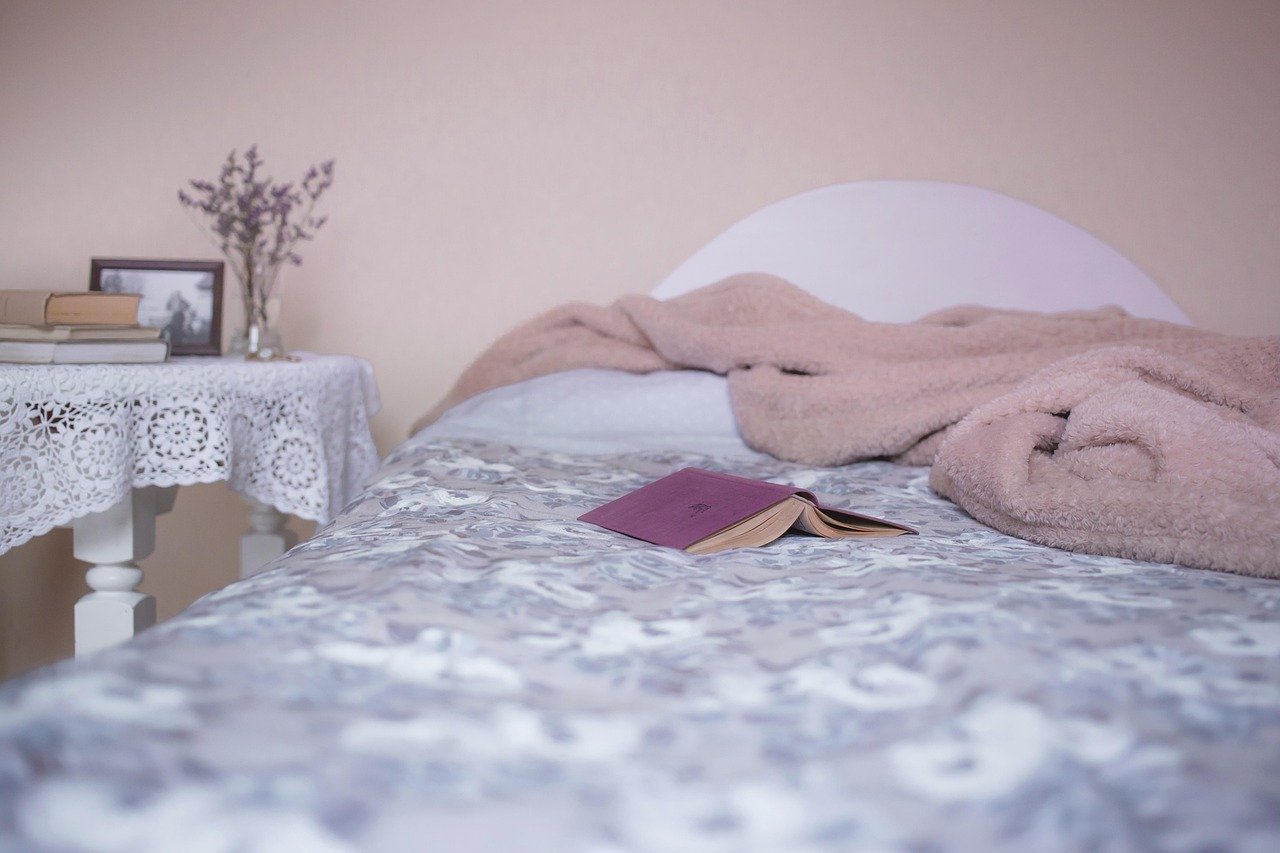
A brushed, fuzzy surface on these woven linens traps warm air close to the body. Sheets, pillowcases, duvet covers, and blankets made from cotton flannel feel warmer at initial contact than smooth cotton, especially in a bedroom near 58 degrees.
You’ll find fabric construction, warmth, seasonal timing, GSM, fiber labels, and dryer care here, so your bedding choice fits your sleep temperature.
The Fabric Behind Flannel Bedding
That quick warmth begins with woven cloth, not a thick coating or plastic-like pile. Flannel bedding uses yarns woven into fabric, then brushed on one or both sides to lift short fibers. Your fitted sheet, pillowcase, blanket, or duvet cover can share that soft construction.
Brushing Creates the Familiar Surface
A brushing machine roughens the cloth face enough to raise a fine nap. The raised fibers give the fabric a soft, lightly fuzzy feel instead of a slick surface. Your hand catches that texture before the sheet reaches the bed.
Modern sets rely heavily on cotton flannel made from carded cotton yarns. Cotton blends add polyester for faster drying or added strength. Traditional wool flannel still exists, though wool sheets need gentler laundering than cotton sheets.
Fleece Uses a Different Construction
Fleece bedding is a synthetic knit rather than brushed woven cloth. Its pile feels plush and dense, yet it behaves differently against your skin. You may find fleece less airy beneath a thick comforter.
Brand names can point toward a textile tradition without stating fiber content. Pendleton is associated with wool textiles, while L.L.Bean and Eddie Bauer have used flannel styling in cold-weather home goods for years. Check the fiber label before choosing a set, since red plaid fabric can be cotton flannel, polyester fleece, or another material.
Once the base fiber is clear, the surface treatment determines whether the fabric traps warmth or simply mimics flannel’s look.
Why Brushed Flannel Feels So Warm
Raised fibers leave thousands of tiny pockets that hold still air near your skin. Air slows heat loss, so the nap adds insulation without a heavy blanket. Your body warms that trapped air during the opening minutes in bed.
The Nap Changes Surface Temperature
Smooth cotton meets your skin with flat yarns, which can feel cool at contact. Flannel’s loose fiber ends reduce direct contact with cooler cloth below the surface. You feel warmth sooner, much like touching a soft sweater instead of a crisp dress shirt.
Breathability remains part of cotton flannel, though brushing slows airflow beside cotton percale or cotton sateen. Cotton fibers still pass some water vapor, but the raised nap holds warmth closer to your body. That slower air exchange suits a chilly room and feels uncomfortable in a bedroom that stays warm overnight.
Warmth Is Not the Same as Thickness
A sheet can feel warmer without looking bulky because surface structure does much of the work. Fabric weight matters, but a well-raised nap changes the sensation against your body as well. Your comfort rests on both density and the microclimate below your covers.
Moisture handling brings a trade-off. Cotton absorbs moisture, yet an insulating surface can leave a hot sleeper feeling damp after a warm night. That difference explains why smooth cotton, brushed cotton, and fleece suit different sleep conditions.
Flannel, Cotton, and Fleece in Everyday Use
Your sheet choice changes the initial touch, overnight airflow, and the point where you start pushing covers aside. Flannel sheets vs cotton sheets is not a contest with a single winner. Each fabric fits a different sleep temperature and texture preference.
| Fabric | Feel against skin | Warmth and airflow | Useful bedroom setting |
|---|---|---|---|
| Cotton flannel | Soft, brushed, slightly fuzzy | Warm with moderate breathability | Cool rooms and cold weather |
| Cotton percale | Crisp, matte, smooth | Cooler with stronger airflow | Warm sleepers and summer rooms |
| Cotton sateen | Silky, smooth, drapey | Warmer than percale, less warm than flannel | Mild indoor temperatures |
| Synthetic fleece | Plush, thick, pile-like | High insulation with lower airflow | Very cold rooms and short-term extra warmth |
Percale suits you where coolness and a crisp hand matter more than quick warmth. Sateen has a smoother, silkier drape and feels less chilly than percale, though it lacks flannel’s fuzzy cushion. Fleece retains the most heat of these three choices, yet it brings the highest overheating risk.
In a 62-degree bedroom, a cotton flannel fitted sheet beneath a medium-weight quilt can feel settled and comfortable. At 72 degrees, percale with the same quilt may fit your sleep better. Fabric quality means little without that room-level context.
Cool-Weather Comfort and Its Limits
A 10-degree bedroom shift can turn a cozy sheet into an unwanted heat trap. Flannel sheets suit autumn and winter, cold climates, cool nighttime settings, and beds used by someone who wakes chilled. Your feet and shoulders benefit most from the quicker warm-up.
Seasonal Use Follows Your Sleep Signals
- Early autumn nights: Put flannel on the bed after bare feet feel cold against bedroom flooring at bedtime.
- Deep winter layers: Pair it with a lighter quilt before adding a heavy comforter, so your layers do not trap excess heat.
- Cold climate bedrooms: Keep it on the bed during prolonged freezing weather, especially near drafty windows or poorly insulated exterior walls.
- Spring changeover: Return to percale after several warm nights leave your bed stuffy before morning.
Flannel sheets can feel too warm during summer, especially in humid regions, heavily insulated homes, or rooms above about 68 degrees overnight. Your body has fewer paths for shedding heat through an insulating nap, even with a fan nearby.
Overheating Has Clear Clues
Waking sweaty, kicking off covers, or moving toward the cooler mattress edge signals that the sheet set has outlived its seasonal role. A lighter cotton layer should feel more comfortable at bedtime. You do not need to wait for a calendar change.
Use your sleep pattern as the deciding signal. Repeated night sweats point to excess insulation rather than a need for a heavier blanket.
When to use flannel sheets rests on the temperature around your bed and how readily you feel cold, not on a fixed month. Your personal heat response also points toward the density and finish that suit your room.
Reading Flannel Quality Beyond Thread Count
A package can show a large thread count and still say little about warmth, softness, or wear. For flannel bedding, GSM, meaning grams per square meter, gives a clearer signal of fabric weight. Your fingers reveal plenty too: a thin nap with bare-looking areas tends to wear sooner.
GSM Shows Density Rather Than Luxury
Lightweight flannel near 140 GSM suits mild cold and sleepers who dislike weight. Midweight fabric around 170 GSM gives a durable, cozy feel on many beds. Heavier fabric near 190 GSM or above holds more warmth, though you may find it too dense in a heated home.
| What to inspect | What it suggests | What it means for your bed |
|---|---|---|
| 140 to 160 GSM | Lighter fabric weight | Less bulk for mild winter nights |
| 165 to 180 GSM | Substantial everyday density | Balanced warmth and handling |
| 190 GSM or higher | Heavier, denser cloth | Extra insulation for very cold bedrooms |
| Even brushed finish | Consistent raised fibers | Fewer thin spots and a smoother feel |
Fiber Labels Set Real Expectations
Look for 100 percent cotton where a natural hand feel and moderate breathability matter most to you. A cotton-polyester blend dries faster and resists some wrinkling, yet it may hold heat differently and feel less absorbent. Your preference matters more than a universal material rule.
- Check the GSM: Match lighter weights to mild rooms and heavier weights to persistent nighttime chill.
- Inspect both sides: A uniform nap on each face helps your sheet feel consistent after laundering.
- Read fiber content: Cotton favors breathability, while blends alter drying time and texture.
- Review label standards: OEKO-TEX Standard 100 addresses harmful-substance limits, while Global Organic Textile Standard addresses textile processing claims.
- Ignore thread count alone: Raised fibers obscure the yarn-count story used for smooth woven sheets.
Thread count still describes yarn density, but brushing and fabric weight shape your experience more directly. Fiber type and laundering work together, a point reflected in cotton-care information from Cotton Incorporated. A dense sheet loses its appeal quickly after high dryer heat roughens its surface.
Because heat damage can undo even a well-made sheet, daily washing and drying habits determine how long its softness lasts.
Care That Keeps Flannel Soft Rather Than Pilled
Loose raised fibers give flannel its comfort and expose its weak spot. Friction pulls those fibers into small balls called pilling, while high heat shrinks cotton yarns and roughens the nap. Your wash routine shapes how soon those changes appear.
Low Friction Protects the Nap
- Sort similar fabrics: Wash flannel with soft linens rather than towels, jeans, or garments with zippers.
- Choose cool water: Cool or warm water cleans ordinary soil while reducing stress on cotton fibers.
- Use gentle motion: A gentle cycle limits abrasion that turns loose fibers into pills.
- Leave drum space: Avoid overfilling because crowded sheets rub together through the full cycle.
- Skip harsh additives: Strong bleach and heavy softener buildup can leave the surface stiff or coated.
Lint during the opening two or three washes is normal because finishing fibers work loose. Wash new sheets separately before placing them with darker clothes. You can turn pillowcases inside out to reduce rubbing on the brushed face.
Low Dryer Heat Limits Shrinkage
Most care labels permit a low-heat dryer cycle, though excessive heat increases shrinkage, pilling, and fiber wear. Remove your sheets promptly while they still feel slightly damp, then smooth the hems before folding.
Line drying reduces heat exposure, but a stiff line-dried sheet can benefit from five to 10 minutes of low dryer heat after it is nearly dry.
Store each piece fully dry after the cold-weather season ends. Damp fabric sealed in a plastic bin can pick up stale odors or mildew marks. Your duvet cover and pillowcases rest more safely in a breathable cotton storage bag or on a clean closet shelf.
Bottom Line
Flannel fits bedrooms that run cool and sleepers who want warmth at the sheet level rather than beneath a heavier cover. Choose density around your sleep temperature, then protect brushed fibers with low-friction washing and low dryer heat. Your bed should feel cozy at lights-out without leaving you hot and restless before dawn.
FAQ
What is flannel bedding and when is it used?
Sheets, pillowcases, blankets, and duvet covers can all use woven fabric finished with a brushed nap. You use it most comfortably during autumn and winter, in cold climates, or in a cool bedroom where smooth cotton feels chilly at the start of the night.
What are flannel sheets made of?
Short fibers are raised into a soft nap when woven sheets receive a brushed finish. Cotton flannel is a familiar choice, while cotton-polyester blends dry faster and wool flannel needs more careful laundering. Your fiber label tells you which material is in the set.
What makes flannel sheets warmer than regular cotton sheets?
Raised fibers hold still air near your body, and that air slows heat loss. Smooth cotton has flatter yarns that feel cooler at contact. You get quicker surface warmth from flannel without adding a heavier blanket.
Is flannel bedding too hot for summer?
Raised fibers trap insulating air against the body, making these linens uncomfortably warm in summer. You will prefer percale or another lighter sheet in humid weather, a warm home, or any room where you wake sweaty or push covers away.
When should I stop using flannel sheets?
A stuffy bed, sweat-damp wake-ups, or repeatedly kicked-off blankets signal it is time to switch sheets. Your comfort is a better signal than a calendar date, since indoor temperatures vary sharply between homes and climates.
Are flannel sheets better than cotton sheets?
Flannel sheets suit your bed during cold nights because brushing adds quick surface warmth and softness. Smooth cotton sheets suit your sleep during warm weather, especially percale, because their flatter weave releases heat more readily.