

A heavy comforter that rests on sore feet can ruin a good night’s sleep, especially for anyone recovering from surgery, living with neuropathy, or just running cold-sensitive toes. Blanket lifters for feet solve a small but stubborn problem: they hold bedding up and off the lower legs so warmth stays in without weight pressing down. The ten options below cover different heights, build materials, and bed types, from low-profile metal bars to foam wedges that double as leg positioners. Think of it like a tiny tent pitched at the foot of the bed: warm air stays trapped, but nothing touches the skin that needs space.
How The Shortlist Stacks Up

DMI Blanket Lifter Support Bar with Adjustable Frame

JJ CARE Blanket Lifter for Foot of Bed Adjustable 20-28″

Zelen Blanket Lifter Foot Cradle Lift Bar Heavy Duty Steel
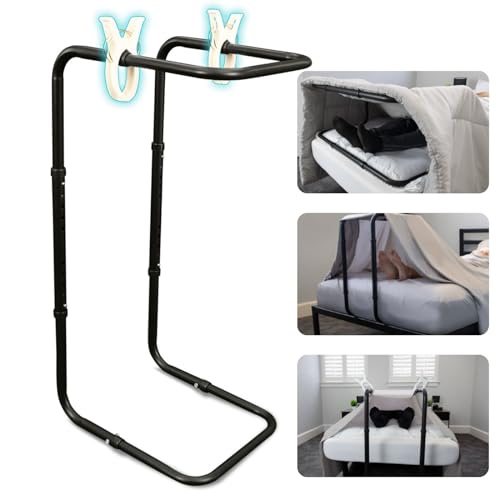
Vive Blanket Lifter for Feet 26″-34″ Adjustable

Mistuki Blanket Lifters for Foot of Bed Adjustable 26″-34″

Performore Blanket Lifter Adjustable 23-31″ Bed Cradle

Mistuki Blanket Lifter Foam Foot Cradle Elevation Wedge
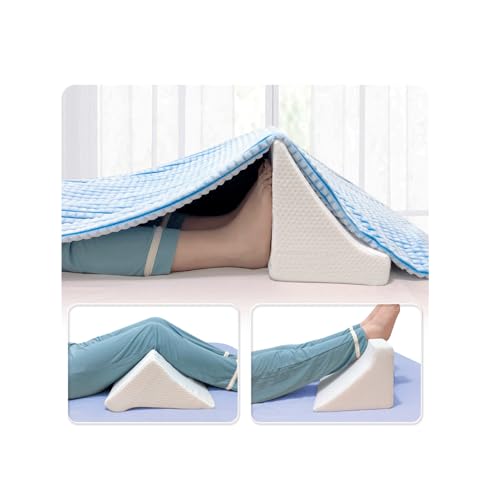
Mistuki Blanket Lifter Foot Cradle Block Wedge
ROYALAY Blanket Lifter Foot Tent Surgery Recovery Support

HEPO Adjustable Height Blanket Lift Bar with 4 Clips
A Breakdown Of The Leading Choices
The DMI Blanket Lifter is the most stripped-down option in this roundup, which is part of its appeal for anyone who doesn’t want a gadget taking up real estate at the foot of the bed. The frame slides between the mattress and box spring, then a single horizontal bar lifts up to 19 inches off the mattress surface. Because the bar inserts beneath the mattress, the actual clearance above your sheets will be lower than 19 inches and depends entirely on how thick your mattress is.
Compared to the more elaborate multi-bar designs later in this list, DMI’s approach is refreshingly minimal. You get one bar, one frame, and no extras to assemble or misplace. The chrome-plated steel construction feels sturdy enough for a standard blanket or lightweight comforter, though heavy duvets may push the limits depending on your mattress thickness.
Positive Takeaways
- Single-bar design means faster setup and less fuss at bedtime.
- Chrome-plated steel wipes clean with a damp cloth, helpful for caregivers managing spills.
- Low price point makes it approachable for short-term recovery situations.
- Slides under the mattress so it stores flat when you want the bed to look normal.
Points To Keep In Mind
- No clips included, so restless sleepers may find blankets sliding off the bar overnight.
- Maximum height is modest at 19 inches, which may feel tight under very thick comforters.
Key Specs
Right Fit For
Anyone wanting the simplest possible solution for occasional use on a thin-to-medium mattress.
Swap It Out When
Thicker comforters or restless sleepers should consider the Performore Blanket Lifter, which includes clips to keep bedding anchored.
JJ CARE’s design is the first pick in this list that combines steel and aluminum in its construction, a pairing that keeps the frame light enough to reposition yet strong enough for heavier bedding. The bar telescopes from roughly 20 to 28 inches, giving you a wider range than the DMI model. For anyone recovering from surgery or dealing with arthritis, that extra clearance can be the difference between a comfortable night and cramped toes.
The frame sits under the mattress like most blanket lifters, so installation requires no tools, just a firm push between mattress and box spring. Owners commonly report that the aluminum sections stay cool to the touch, which helps if you tend to bump your feet against the bar during the night. Compared to the DMI Blanket Lifter, this model offers a noticeably taller working range and a more refined adjustment mechanism.
What It Does Well
- Steel and aluminum hybrid keeps weight low without sacrificing load capacity.
- 20 to 28 inch range handles medium-thick comforters comfortably.
- Easy tool-free setup between mattress and box spring.
- Suited for elderly users managing chronic foot pain or cramping.
Honest Caveats
- Some owners note the locking pins require two hands to adjust, which can be tricky for limited grip strength.
At A Glance
Who It Suits Best
Older adults managing chronic foot cramping, post-surgical patients, and anyone needing a dependable daily-use frame.
Look Elsewhere When
Shoppers wanting a foam-based cradle for restless legs should look at the Mistuki Blanket Lifter Foam Foot Cradle Elevation Wedge.
Zelen’s blanket lifter is built like a piece of light medical equipment, with a two-part steel frame that pushes button-locks into place to adjust height. The advertised range of roughly 26 to 34 inches is the tallest in this roundup, which makes it a natural fit for thicker mattresses where shorter bars barely clear the sheets. The heavy-duty steel means it can handle weighted blankets without flexing.
In practice, the taller working range solves a real problem that shorter bars run into: if you have a pillow-top mattress plus a heavy comforter, a 20-inch bar may end up buried. The Zelen starts where other models stop. It is heavier than the JJ CARE hybrid, so it stays planted under the mattress but takes a bit more effort to reposition. Owners commonly report that the push-button height adjustment feels secure once locked.
Practical Pluses
- Push-button height locks at multiple points, no slippage once set.
- Two-part heavy-duty steel frame handles weighted blankets and thick comforters.
- Tallest clearance range suits pillow-top and deep mattresses.
Trade Offs
- Heavier than aluminum-hybrid options, making repositioning less convenient.
- Bulkier frame can feel obtrusive in smaller bedrooms.
Feature Snapshot
Best Suited To
Caregivers and post-surgery patients with thick mattresses who need serious vertical clearance for weighted comforters.
Reach For A Different Pick When
Lightweight blankets and minimal mattress depth make the Zelen overkill; the JJ CARE Blanket Lifter is easier to handle.
Vive’s blanket lifter lands in a comfortable middle ground: a steel frame with a 26 to 34 inch working range and clips that hold bedding in place. The broad height window covers most standard and pillow-top mattresses without forcing you to commit to one setting. For people who switch between a summer quilt and a winter comforter, the adjustable range prevents the bar from disappearing under heavier bedding.
Compared to the Zelen, the Vive trades a little maximum height for the inclusion of securing clips, which keep the blanket from sliding off during restless sleep. The steel construction feels solid, though some users find the frame slightly noisier when bumped than aluminum alternatives. For most adult bedrooms, the height range hits the sweet spot between too low and excessive.
Notable Gains
- 26 to 34 inch range covers the majority of mattress depths on the market.
- Securing clips prevent the blanket from sliding during movement.
- Sturdy steel frame handles standard and weighted comforters.
- Suits both arthritis sufferers and general comfort-seekers.
Small Caveats
- Steel frame may produce a faint rattle if bumped during the night.
- Bulkier profile than compact designs like the DMI Blanket Lifter.
Quick Facts
Who Should Grab It
Most adults looking for a versatile, mid-range height window that adapts to different bedding weights year-round.
Where Another Pick Suits Better
Travelers or anyone wanting a smaller, lighter frame should consider the HEPO Adjustable Height Blanket Lift Bar with 4 Clips.
Mistuki’s 26 to 34 inch frame reads like a practical hospital-bed accessory translated for home use. It lifts sheets, comforters, and heavier blankets off the feet and lower legs, with a height range that mirrors the Vive Blanket Lifter closely. The marketing positions it for arthritis, restless legs, neuropathy, and post-surgery recovery, which tells you the intended shopper is someone managing a specific condition rather than chasing better sleep generally.
What separates it from the Vive is mostly a matter of branding and accessory inclusions. The frame inserts under the mattress in the same way, and the working clearance above the sheets will be lower than 26 inches on thinner mattresses. For most recovery scenarios, the height window covers the bases. Owners commonly report that the frame is straightforward to install without tools, which matters when someone is setting it up for a bedridden family member.
Features That Help
- Broad 26 to 34 inch range suits most recovery situations.
- Frame works with sheets, blankets, and comforters alike.
- Designed for arthritis, neuropathy, and post-surgery users.
- Tool-free setup between mattress and box spring.
Worth Noting
- No clips included, so blankets may shift without a separate fastening method.
- Steel frame adds weight compared to aluminum-hybrid picks.
Built With In Mind
Caregivers and family members setting up a recovery bed for someone with chronic foot or leg conditions.
Consider Something Else When
You want clips to anchor bedding in place; the HEPO Adjustable Height Blanket Lift Bar with 4 Clips comes with more securing options out of the box.
Performore’s blanket lifter focuses on one practical problem that most competitors ignore: bed size. The frame fits twin, full, queen, and king mattresses because it inserts under the mattress, where width isn’t a constraint. The 23 to 31 inch height range is slightly lower than the Vive or Mistuki models, but for medium-thickness mattresses that translates to actual usable clearance rather than theoretical maximums.
Two clips come in the box, which makes the Performore a step up from clip-less models like the DMI Blanket Lifter when it comes to keeping bedding anchored. The push-button height adjustment is familiar territory if you have used any telescoping pole. For a household that moves the bar between beds, or for anyone whose mattress thickness has changed, the universal fit removes a layer of guesswork.
What Makes Sense
- Works on any bed size from twin to king.
- Two securing clips included to keep the blanket in place.
- Push-button adjustment for fast height changes.
- Heavy-duty steel frame rated for substantial bedding weight.
Possible Compromises
- Maximum 31 inch height may feel limited on very deep pillow-top mattresses.
Whose Shelf It Belongs On
Multi-bed households, caregivers rotating the frame between rooms, and anyone with an unusually thick or thin mattress.
Where A Sibling Pick Shines
For maximum vertical clearance on thick comforters, the Zelen Blanket Lifter Foot Cradle Lift Bar extends a few inches higher.
This Mistuki entry breaks from the metal-frame pattern by using a foam block as the lifting structure. The foam wedge sits between the mattress and bedding, propping sheets up to keep them off the feet while doubling as a leg elevator when positioned differently. For anyone whose feet are too sensitive for hard bars, the soft foam surface removes the risk of bumping into a rigid frame in the dark.
Versus the metal-bar designs earlier in this list, the foam approach trades structural height for comfort. You won’t get the 30-plus inch clearance of the Zelen, but you will get a gentler surface that doubles as ankle or knee support during recovery. Owners commonly report using it as a daytime leg prop and a nighttime blanket lifter, which makes it a two-purpose option rather than a single-task tool.
Good Reasons To Consider
- Soft foam surface eliminates the risk of bar-bumps during restless sleep.
- Doubles as a leg elevator for post-surgery positioning.
- Quiet by design, with no metal to creak or rattle.
- Lightweight enough to reposition without help.
Soft Spots
- Foam can compress over time under heavy bedding, reducing lift.
- Maximum clearance is lower than steel-frame alternatives.
Who Will Love This
People with hypersensitivity, restless leg syndrome, or anyone who wants a soft surface that doubles as leg support.
A Better Fit Elsewhere
For taller clearance and rigid support under heavy comforters, the Zelen Blanket Lifter Foot Cradle Lift Bar serves better.
Another Mistuki foam option, this one markets itself as a multi-purpose support for feet, ankles, knees, and legs rather than strictly a blanket lifter. The block-style foam elevates bedding off the feet and serves as a positioning aid for elevating the lower legs during rest. For people managing multiple lower-body issues at once, that versatility is the main draw.
Unlike the rigid steel frames from Zelen or Vive, this Mistuki model sits closer to the body and feels less like a piece of equipment and more like an extra pillow. It won’t match the vertical clearance of metal alternatives, but for users who want gentle elevation plus blanket-lifting in one product, the dual function simplifies the bedside setup. Owners commonly report using it under a comforter during sleep and under the calves during daytime rest.
The Practical Payoff
- Functions as both blanket lifter and leg elevation support.
- Soft foam construction suits sensitive skin and post-op tenderness.
- Compact size stores easily when not in use.
- No assembly or mattress insertion required.
Potential Drawbacks
- Limited height compared to telescoping metal frames.
- Foam density varies between users, so lift may feel different over time.
Made For
Anyone recovering from foot, ankle, or knee procedures who wants gentle elevation without metal hardware touching the skin.
Not Your Match When
You need maximum clearance for thick comforters, in which case the Performore Blanket Lifter Adjustable 23-31″ Bed Cradle handles heavier bedding.
ROYALAY offers a compact block-and-foam style blanket lifter that doubles as a positioning aid for surgery recovery. The product is positioned for short-term post-operative comfort, where keeping blankets off stitches or sensitive incisions is a daily concern. Its smaller footprint makes it easier to fit into a hospital-style recovery setup at home without dominating the bed.
Versus the Mistuki foam wedge reviewed earlier, the ROYALAY leans further into the recovery-positioning angle, marketing itself for feet, ankles, knees, and toes specifically. It won’t lift a heavy winter comforter the way a steel frame can, but for lighter bedding during a recovery window, the gentler contact is often the priority. The tradeoff is height versus comfort, and for short-term use the balance usually works.
Notable Upsides
- Compact block design fits crowded recovery setups.
- Soft contact surface protects stitches and tender post-op skin.
- Useful as a positioning aid beyond just blanket lifting.
Practical Considerations
- Lower clearance ceiling than metal-frame options.
- Best for short-term recovery rather than long-term nightly use.
Perfect Match For
Anyone managing a temporary post-surgery recovery who wants a low-profile lift that also props the legs.
Skip It When
You need long-term nightly use under heavy bedding; the Vive Blanket Lifter for Feet handles extended daily wear better.
HEPO closes out the list with an adjustable-height metal bar and four securing clips in the box, which is the most generous clip count in this roundup. The clips are the standout feature for restless sleepers whose blankets tend to slide off single-clip or clip-less designs. If you have ever woken up with the comforter back on your feet despite a lifter being in place, extra clips directly address that frustration.
Compared to the Performore Blanket Lifter, which includes two clips, the HEPO doubles down on anchoring. The adjustable-height frame is in the same family as the JJ CARE and Vive options, so the real differentiator is the clip count rather than structural design. For shoppers who want maximum blanket stability with minimal fuss, four clips is a practical upgrade.
Where It Excels
- Four securing clips provide strong blanket anchoring for restless sleepers.
- Adjustable height fits a range of mattress depths.
- Helps keep bedding in place through position changes during the night.
Less-Strong Areas
- Four clips add small parts to keep track of during bed-making.
- Height range specifications are less clearly stated than competing models.
Right Fit For
Restless sleepers and anyone whose bedding tends to migrate off single-bar lifters overnight.
Where Another Pick Suits Better
Shoppers wanting a verified tall height range should consider the Zelen Blanket Lifter Foot Cradle Lift Bar for explicit clearance numbers.
What To Weigh Before Picking A Blanket Lifter
Height range matters more than almost any other spec, because the bar inserts under the mattress and the working clearance above your sheets is always lower than the advertised maximum. Measure your mattress depth and add the thickness of your comforter before deciding on a range, since a 30-inch bar can drop to 18 inches of real lift on a deep pillow-top.
Material choice splits into three camps: all-steel frames (durable, heavier, sometimes noisier), steel-and-aluminum hybrids (lighter, easier to reposition, still strong), and foam blocks (softest contact, no bar-bumps, but limited height). For chronic nighttime bar contact, foam eliminates the problem entirely. For heavy bedding, steel or hybrid wins on rigidity.
Clips make a bigger difference than they sound. Blankets on a clip-less bar tend to migrate toward the foot of the bed during sleep, which defeats the point of the lifter. The HEPO and Performore include clips in the box, while the DMI and Mistuki foam options rely on friction alone.
Bed size only matters if you shop for rigid frames that span the mattress width. Insert-under-mattress designs like the Performore and JJ CARE work on any bed size from twin to king. Foam blocks have no size constraint at all.
Key Considerations Across These Picks
Traps First Timers Fall Into
The most common mistake is buying a bar based on its advertised maximum height, then discovering the real clearance above the mattress is several inches lower once the frame is inserted. Always calculate the gap between bar top and sheet surface, not the bar’s extended length. The second pitfall is ignoring clip count: clip-less designs work fine for still sleepers but fail for anyone who shifts positions during the night.
When Paying More Pays Off
Higher-tier steel and hybrid frames cost more because they handle heavier bedding without flexing and offer taller working ranges for deep mattresses. The extra spend makes sense for weighted comforters, tall mattress profiles, and long-term nightly use. For occasional recovery or thin summer bedding, a simpler frame like the DMI Blanket Lifter does the same job without the premium.
Frequently Asked Questions
How tall should a blanket lifter be for a standard mattress?
For a typical 8 to 12 inch mattress with a regular comforter, a bar with a 20 to 28 inch range gives enough clearance. Deeper pillow-top mattresses with thick comforters benefit from 26 to 34 inch ranges.
Can blanket lifters be used on adjustable beds?
Most insert-under-mattress designs work on adjustable bases as long as the frame stays clear of the moving mechanism. Foam block options work anywhere since they don’t attach to the bed structure.
Do blanket lifters work with weighted blankets?
Steel and hybrid frames handle weighted blankets without issue, but foam blocks can compress under the extra weight over time. For 15-pound-plus blankets, choose a heavy-duty steel option like the Zelen.
How do you clean a blanket lifter frame?
Metal frames wipe down with a damp cloth and mild soap. Foam blocks typically need a removable cover that can be machine washed, or spot cleaning with a gentle fabric cleaner.
Are blanket lifters difficult to install?
Insert-under-mattress designs require no tools, just sliding the base plate between mattress and box spring. Foam blocks need no installation at all, which is one reason they’re popular for short-term recovery use.
The Takeaway
The right blanket lifter depends less on the frame and more on your mattress depth, blanket weight, and how much you move at night. Match the height range to your actual setup, pick clips if you’re a restless sleeper, and reach for foam when metal contact is a concern. Any of the ten options above will solve the core problem of keeping bedding off sensitive feet, so the choice comes down to which trade-off fits your bedroom best.