

Leopard geckos thrive on dry, stable footing that supports shedding, burrowing, and clean husbandry. Picking the wrong floor covering leads to dust, impaction risk, or humidity swings that throw off a healthy enclosure. The picks below cover everything from budget-friendly aspen to bioactive desert blends, so you can match the substrate to your gecko’s age, setup, and your maintenance habits.
An Overview Of The Picks

Galápagos Aspen Digs Shavings Bedding, 8-Quart, Natural

Legigo 4 Pack Coconut Fiber Reptile Bedding

ZeeDix 10 Pcs Reptile Coconut Fiber Mat

Fluker’s Premium Tropical Cypress Bedding, 10 Pound

Gargeer 3oz Leopard Gecko Complete Gel Diet

Halatool 2 Pack Compressed Coconut Fiber Substrate
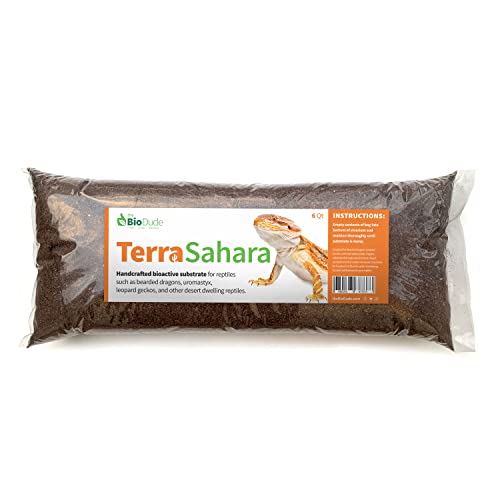
The Bio Dude Terra Sahara Bioactive Substrate 6 Quarts
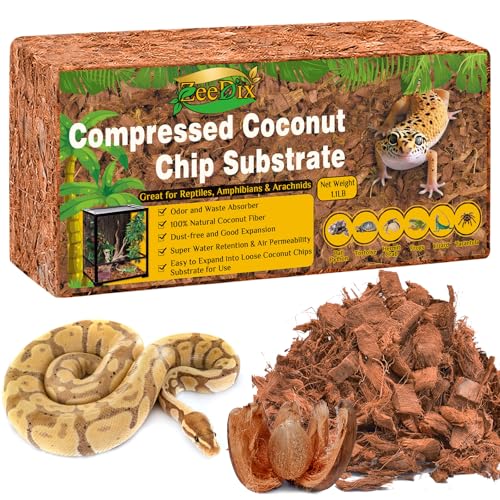
ZeeDix Coconut Husk Chip Substrate, 1 Pack

Zilla Jungle Mix Terrarium Substrate, 24 Quart

Legigo 2.6LB Natural Sphagnum Moss
More Details On Our Top Picks
Aspen shavings are the closest thing to a default floor for many leopard gecko keepers, and this 8-quart bag from Galápagos keeps things simple. The strands are soft enough to let juveniles dig without throwing off humidity, and the natural pale color makes it easy to spot droppings during daily checks.
Compared with looser sand products, aspen stays put when your gecko lunges at prey, which matters in a 10-gallon starter tank. The lightweight shavings also strip out cleanly during weekly spot cleans, and a full swap every four to six weeks is usually enough for a single adult.
The Case For It
- Soft strands that hold tunnels when your gecko burrows near a hide
- Lightweight enough to sift waste during quick daily cleanups
- Stays low-dust compared to fine-particle substrates
- Neutral scent that does not fight with room ventilation
Worth Noting
- Can mold in overly damp hides, so pair with a dry side of the tank
- Needs full replacement more often than bioactive blends
Key Specs
Who It Suits Best
New keepers running a basic 10-gallon setup with a hide-and-warm-side layout who want a forgiving, easy-to-replace floor.
Where Another Pick Suits Better
Planted, bioactive owners should look at The Bio Dude Terra Sahara Bioactive Substrate 6 Quarts, which is layered for drainage and microfauna.
Compressed coconut fiber bricks stretch far when you hydrate them, and getting four in one pack means you can rotate through sheds or keep a backup for a humidity hide. Each block expands into several quarts of loose coir, which holds moisture without turning soggy when you let the surface dry between mistings.
For leopard geckos specifically, coir shines inside a humid hide where stuck shed is the real enemy. Unlike the Galápagos aspen earlier, this stays put when wet, so shedding sessions go smoother.
Features That Help
- Four-brick value pack that hydrates into a deep layer
- Natural coconut coir that resists compacting
- Plays well as a humidity-hide filler
Points To Note
- Must be soaked and broken up before use, which adds setup time
- Holds too much moisture across an open floor if you skip drying time
- Requires a sealed bin to store leftovers between uses
Made For
Multi-tank households and breeders rotating fresh substrate across several enclosures each month.
Skip It When
You want a true arid setup, in which case Galápagos Aspen Digs Shavings Bedding, 8-Quart stays drier with less babysitting.
Pre-cut coconut fiber mats take the loose-substrate question off the table. The 12-by-12-inch tiles lay flat on the tank floor, giving your gecko grip without the chance of ingesting loose strands during a feeding lunge. Ten pieces means a fresh mat is always ready during deep cleans.
For juvenile leos especially, a flat mat removes impaction worries entirely. It also wipes down in seconds compared to sifting through aspen, which matters on busy weeknights.
The Practical Payoff
- Pre-cut 12×12 inch squares that fit standard enclosures
- No loose particles to track around the room
- Replaceable tiles cut cleaning time to a quick swap
Trade Offs
- No burrowing, which removes a natural behavior some geckos enjoy
- Soaks up waste odors faster than loose substrate if you skip weekly swaps
- Edges can fray over months of use, depending on humidity
Feature Snapshot
Right Fit For
Set-and-forget keepers and parents setting up a juvenile enclosure who want zero loose substrate in the room.
Reach For A Different Pick When
Your gecko actively digs near the warm hide, where Halatool 2 Pack Compressed Coconut Fiber Substrate gives that burrowing layer without mats.
Twice-milled cypress mulch is the substrate for keepers who want flexibility. Mist it lightly during a shed and it holds humidity around the cool end, or leave it dry for a more arid stretch. The 10-pound bag covers a 20-gallon long enclosure with depth to spare, so you build burrows instead of just sprinkling surface cover.
Compared with the aspen pick earlier, cypress resists mold better in the damp hide and offers more visual texture. It also carries a soft woody scent that many keepers associate with established reptile rooms.
A Favorable Mix
- Milled twice for a fine, even texture
- Holds humidity when misted, dries out for arid zones
- Suitable for tropical and desert setups alike
- Deep enough layer to support tunneling behavior
Honest Caveats
- Heavier to ship and store than compressed bricks
- Aroma can read as strong during the first week
- Needs a sealed bag to keep mites out between changes
Whose Shelf It Belongs On
Shed-heavy geckos in rooms with shifting humidity, where you want one bag to handle both dry and damp weeks.
A Better Fit Elsewhere
Strict desert keepers should reach for The Bio Dude Terra Sahara Bioactive Substrate 6 Quarts, which keeps the floor genuinely arid without misting.
Strictly speaking, Gargeer’s gel diet is food, not flooring, but the line between substrate care and feeding hygiene is thin in a leopard gecko enclosure. A prepared gel removes the live-cricket scatter that turns loose substrate into a snack graveyard overnight, and it pairs cleanly with every bedding on this list.
The four-protein core (black soldier fly larvae, freeze-dried krill, crickets, and mealworms) keeps the nutritional profile honest. For keepers who hate keeping bugs in the kitchen, the gel is the closest thing to a low-effort staple.
Where It Excels
- No live feeder storage required
- Tong-feeding triggers natural hunting responses
- Suits geckos at every life stage
Practical Considerations
- Some leopards ignore the gel at first and need gradual mixing
- Should not fully replace insect variety for breeding adults
- Refrigerated storage shortens prep time
Best Suited To
Busy keepers and apartment dwellers without easy access to live feeder supplies.
Not Your Match When
You enjoy the routine of feeding live prey, in which case the substrate list matters more than the gel.
Two bricks of compressed coconut coir are plenty for a first leopard gecko setup. Hydrate one for the main floor and save the second for the humidity hide or a future deep clean. The bricks arrive light and dry, so storage in a closet is painless before you ever break one open.
For first-timers, the 7.87-by-3.94-by-1.97-inch brick format removes the math. Add water, watch it expand, fluff it in, and you have a forgiving floor for a new arrival.
What It Does Well
- Two-brick pack sized for a starter enclosure and a backup
- Expands into roughly 4.2 gallons of substrate when hydrated
- Organic coir with no added dyes or chemicals
Soft Spots
- Hydration step can feel fussy on day one
- Holds humidity across the full floor if you skip the dry side
Quick Facts
Who Should Grab It
First-time leopard gecko owners setting up a single enclosure for a juvenile or young adult.
Swap It Out When
You run a planted bioactive build, where The Bio Dude Terra Sahara Bioactive Substrate 6 Quarts offers layered drainage.
Terra Sahara is the substrate to reach for when the enclosure is a planted vivarium rather than a basic tub. The mix is engineered to stay dry at the surface, hold moisture in the middle, and drain at the bottom, which is exactly the layered profile succulents, cacti, and leopard geckos all benefit from.
Bioactive also means the substrate supports a clean-up crew of isopods and springtails, so waste breaks down between deep cleans. For keepers who treat their tank as a living display, this is the upgrade that makes monthly maintenance lighter.
What Makes Sense
- Layered blend built for desert plants and burrowing reptiles
- Stays dry on the surface, balanced below
- Holds burrows and tunnels throughout shedding cycles
- Supports a bioactive clean-up crew for hands-off upkeep
Things To Consider
- Priced higher per quart than loose mulches
- Overkill for a basic 10-gallon starter tank
Feature Card
Perfect Match For
Hobbyists building a planted, bioactive vivarium with succulents and a clean-up crew.
Where A Sibling Pick Shines
Basic 10-gallon keepers should stay with Galápagos Aspen Digs Shavings Bedding, 8-Quart for a simpler, lower-cost floor.
Coconut husk chips trade the soft coir feel of the Legigo bricks for a chunkier, more architectural texture. Hydrate the 1.1-pound brick and it expands into loose chips ranging from 10 to 35 millimeters, which look striking against slate hides and stone dishes.
Function follows form: those chips drain well, so a humid hide can sit on top without the floor going soggy. The trade-off is that small juveniles can struggle to walk across the larger pieces, so this reads as an adult gecko upgrade.
Useful Touches
- Hydrates from a compact 1.1 lb brick into loose chips
- Chunky 10 to 35 mm texture boosts drainage and visual depth
- Natural husk material with no chemical treatments
Some Limits To Know
- Texture can be too rough for hatchings and small juveniles
- Holds less humidity than fine coir, which can complicate sheds in dry rooms
Built With In Mind
Adult leopard geckos in naturalistic enclosures where you want the substrate to read as a design element.
Look Elsewhere When
You keep juveniles, where Halatool 2 Pack Compressed Coconut Fiber Substrate gives a softer, easier-to-walk surface.
Zilla’s Jungle Mix is the bulk option on this list at 24 quarts, which matters when you maintain a 40-gallon breeder or larger display. The blend of sphagnum peat moss and fir shavings absorbs quickly and gives off that loamy, forest-floor scent that signals a living enclosure.
Leopard geckos lean arid, so this mix reads as overkill for a standard setup, but it doubles as a moisture-rich base layer under a drier top coat. Use it where you want a deep, absorbent foundation in bigger builds.
What Works In Its Favor
- Generous 24 quart bag for larger enclosures
- Sphagnum peat and fir blend absorbs humidity well
- Soft loamy texture encourages natural digging behavior
Honest Caveats
- Higher humidity profile means dry-side management is mandatory
- Bulk bag demands closet space for storage
- Not a stand-alone arid substrate for a single gecko tank
Feature Overview
Best Suited To
Large enclosure keepers layering a humid base beneath a drier top substrate, especially in bioactive builds.
Consider Something Else When
You run a single 10 or 20-gallon tank, where Fluker’s Premium Tropical Cypress Bedding, 10 Pound covers the floor without the bulk commitment.
Sphagnum moss is the unsung hero of a leopard gecko humid hide. The 2.6-pound bag from Legigo covers a stack of hides for the year, and the long fibers hold moisture far longer than loose coir without going sour. You mist it once, stuff a hide, and your gecko gets a reliable shedding retreat.
Moss also acts as a quiet odor buffer in a small room, since its porous fiber structure absorbs smell between cleanings. It is a complement to whichever floor substrate you choose rather than a replacement for one.
Everyday Perks
- Long-fiber sphagnum holds humidity in shedding hides
- Natural material with no dyes or additives
- Acts as a mild odor absorber in small enclosures
Points To Keep In Mind
- Not a full-floor substrate on its own
- Needs replacement every few weeks in a constantly damp hide
Who Will Love This
Keepers who want a reliable humid hide that survives a week between mistings.
Another Choice May Suit
You prefer a single-substrate setup, in which case Galápagos Aspen Digs Shavings Bedding, 8-Quart covers the floor without a second material.
What Matters Most Before Choosing Beddings For Leopard Geckos
Humidity Profile Of The Enclosure
Leopard geckos come from arid scrubland, so the dry side of the tank should stay between 30 and 40 percent humidity. Pick a substrate that holds moisture where you want it and dries out where you do not. Aspen and cypress mulch work for the dry side, while coconut coir and sphagnum moss belong in the humid hide.
Particle Size And Impaction Risk
Loose substrates with very fine particles can be ingested during feeding, which raises impaction risk. Coarser strands, mats, and bioactive blends cut that risk while still letting your gecko dig. Match the texture to your gecko’s size; hatchings do better on mats or fine aspen.
Maintenance Cadence
Loose substrates need spot cleaning every few days and full replacement every four to six weeks. Bioactive blends with a clean-up crew stretch that timeline out to months. The honest trade-off is that bioactive blends cost more upfront and need a proper setup to function.
Tank Size And Layer Depth
A 10-gallon starter tank needs about two inches of substrate, while a 20-gallon long benefits from three to four inches for burrowing. Bag volume matters here: an 8-quart bag covers a small tank, while a 24-quart bag is friendlier to a 40-gallon build. Plan depth before you buy volume so you do not run short mid-setup.
Key Considerations Across These Picks
Wrong Turns To Avoid
Plenty of first-time keepers grab calcium sand because the bag promises vitamins, then watch it turn dusty and clump around droppings. Loose play sand without a dig-friendly base is a similar trap; it compacts and resists cleaning. Skip anything labeled for general small pets if the bag does not call out reptiles specifically, since additive oils and fragrances can irritate a gecko’s feet and respiratory tract.
Where The Extra Money Goes
Higher-tier blends like The Bio Dude Terra Sahara Bioactive Substrate 6 Quarts cost more because they layer drainage, moisture balance, and bioactivity in one bag. You pay for the engineering, not just the volume. The upgrade is worth it when you want a planted display or a lighter maintenance cycle; for a basic 10-gallon starter, the cheaper options do the job without the extra spend.
Frequently Asked Questions
What Substrate Is Safest For Leopard Geckos?
Solid mats, bioactive blends, and coarse aspen strands are the safer picks because they do not turn into a fine dust that gets ingested. Avoid calcium sand and very fine play sand for young geckos.
How Often Should You Change Leopard Gecko Bedding?
Loose substrates need full replacement every four to six weeks, with spot cleaning every few days. Bioactive blends stretch that timeline to several months when the clean-up crew is established.
Do Leopard Geckos Need A Humid Hide?
Yes, a humid hide filled with damp sphagnum moss supports clean sheds. The rest of the enclosure should stay dry and arid, with humidity controlled to the hide only.
Can Leopard Geckos Live On Sand?
Fine sand raises impaction risk, especially for juveniles. Coarser mineral blends or bioactive desert mixes are safer alternatives if you want a sand-like look.
Is Coconut Fiber Safe For Leopard Geckos?
Natural coconut coir is safe in the humid hide and as a base layer. Keep it confined to damp zones rather than the full floor, since leopard geckos thrive in dry conditions overall.
Closing Remarks
The right bedding depends on your tank size, your gecko’s age, and how much maintenance you enjoy. Start with a forgiving floor like aspen or a coconut mat, then upgrade to a bioactive blend when your setup grows. Whichever substrate you pick, dry and clean beats fancy every time.