

Picking the right substrate shapes every other decision in your ball python’s enclosure, from humidity to clean-up. Most keepers settle for whatever’s familiar, then end up fighting mold, dusty air, or a snake that refuses to burrow. The list below sorts the real options by what they do well, what they cost you in trade-offs, and which setups they actually fit, so you spend less time guessing and more time dialing in the enclosure.
The Shortlist At A Glance

Galápagos Walnut Shell Bedding 8 QT

Galápagos Aspen Digs Shavings 8-Quart

Galápagos Cypress Tank Mulch 8-Quart

Galápagos Tropicoco Husk Bedding 8QT Brick

XYZReptiles Live Oak Leaf Litter 1 Gallon

SunGrow Catappa Leaf Litter 10-Pack

Legigo Coconut Fiber Substrate 4-Pack

BabiChip Coconut Chip Substrate 6 Quart

Fluker’s Tropical Cypress Bedding 10 lb
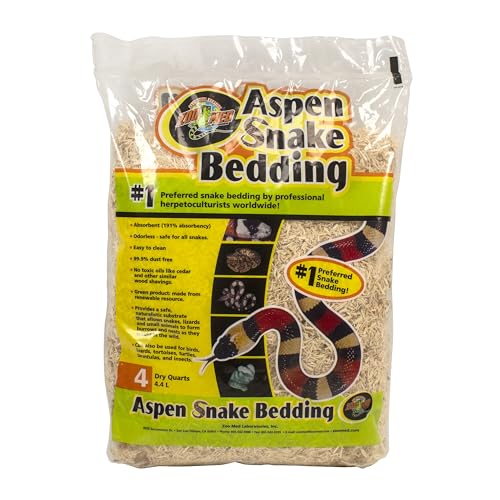
Zoo Med Aspen Snake Bedding 4 Quart
Taking A Closer Look At The Options
Crushed walnut shell sits in a category of its own, behaving more like coarse sand than mulch. The granules sift through a snake’s waste without sticking, so spot cleaning takes seconds, and the bed stays visibly tidy between full changes. Where most substrates soak moisture into a sponge-like layer, this one lets humidity pass through, which matters if you keep your python on the drier side of the comfort range.
It’s not the prettiest substrate on the shelf, but the trade-off shows up in function. Owners running a bioactive cleanup crew should know that isopods and springtails tend to avoid crushed shell, since there’s nothing organic to feed on. For a straightforward rack or display tank, the low-effort maintenance is hard to beat.
What Stands Out
- Sifts cleanly through droppings, cutting spot-clean time to a few seconds per find
- Non-toxic walnut composition stays stable without oils that could irritate respiratory tissue
- Lightweight 8-quart bag pours and spreads without the cloud of fine dust that shavings can throw off
- Doesn’t hold humidity, which helps in setups where ambient moisture already runs high
Points To Keep In Mind
- Doesn’t break down naturally, so a full substrate change means sending material to landfill
- Granules can stick to a freshly fed snake’s mouth scales until wiped off
- Won’t support burrowing, so a humid hide does the lifting for any digging behavior
Built With In Mind
Keepers who want a tidy enclosure with minimal daily fuss and a ball python housed in a tub or low-humidity display.
Where Another Pick Suits Better
Reach for the Galápagos Aspen Digs Shavings instead if your python burrows heavily and you want a softer, more naturalistic surface.
Aspen has been the default snake bedding for decades, and Galápagos’s version keeps the formula simple. The shavings are soft enough to tunnel through, light enough to spread evenly, and free of the aromatic oils found in cedar or untreated pine that can bother a snake’s airway. For a hatchling or juvenile, the texture feels right under the belly and holds burrows without collapsing.
Where aspen earns its reputation is clean-up. Droppings sit on top rather than soaking in, and the whole layer comes out cleanly when it’s time for a full swap. The honest read is that aspen struggles with high-humidity setups, since it can develop mildew if kept damp for long stretches, so a watchful eye on your humidity gradient matters.
Bright Spots
- Soft, fine shavings support natural burrowing in both shallow hides and open floor space
- Low-dust formula protects sensitive respiratory tissue during routine disturbance
- Waste sits on the surface, so daily spot cleaning takes a glance and a scoop
- Renewable source material, which fits a low-impact approach to reptile keeping
Worth Noting
- Can develop mildew in consistently damp enclosures without airflow
- Snakes occasionally ingest shavings during feeding, so a feeding dish or mat helps
- Less visual polish than bark or leaf blends, which matters in a display tank
Key Specs
Made For
First-time ball python owners and breeders running racks where quick substrate swaps beat decorative display.
Not Your Match When
Pick the Galápagos Cypress Tank Mulch instead if your humidity runs high and you need a substrate that holds moisture without rotting.
Cypress mulch brings the forest floor into the enclosure, with chunky pieces that hold moisture and release it slowly. A 2- to 3-inch layer mists cleanly and keeps ambient humidity in the 60–70% range that most ball pythons thrive in, without the constant re-misting that drier substrates demand. The aesthetic is the closest thing to a West African habitat you’ll find off the shelf.
The same chunks that hold humidity also trap waste below the surface, so cleanup takes a careful hand rather than a quick scoop. Compared to the Galápagos Walnut Shell Bedding reviewed earlier, this option trades low maintenance for naturalistic look and humidity performance, which is a worthwhile swap for a planted or display tank.
What It Does Well
- Holds and releases humidity over hours, cutting down on re-misting between checks
- Chunky texture allows clean separation of clean and soiled material during spot cleaning
- Natural aromatic profile is gentle on a snake’s respiratory tract
- Works as a top layer over a humidifier-friendly base in planted vivaria
Trade Offs
- Larger pieces can shift under a heavy python, occasionally exposing the enclosure floor
- Spot cleaning requires turning the top layer rather than a single-pass scoop
- Not ideal for breeding racks where fast, full changes are the priority
Right Fit For
Display enclosures and bioactive setups where humidity stability matters more than quick substrate swaps.
Skip It When
Switch to the Zoo Med Aspen Snake Bedding if you run a rack system and want to replace the entire substrate in under five minutes.
The compressed brick format is the standout feature here, since it solves the storage problem that loose substrates create. A single 8-quart brick fits on a closet shelf next to the thermostat and probe, then expands to fill an enclosure once you add water. For keepers in small apartments or shared homes, that’s a real advantage over bulky bags.
Tropicoco is a coconut husk product, and the absorbency is the real draw. Compared to aspen, the expanded coir holds substantially more moisture before feeling wet, which is useful for pythons that need 70%+ humidity during shed cycles. The honest read is that dry, fluffy coir can be dusty right out of the brick, so a quick rinse before placement pays off.
Features That Help
- Compressed format saves shelf space until you’re ready to use it
- High absorbency suits shedding periods and tropical humidity targets
- Renewable coconut source fits a low-impact keeping philosophy
- Holds shape when packed, supporting shallow burrows and humid hides
Points To Note
- Expansion requires a bucket and water, so prep time runs longer than a bag-pour
- Dry coir throws off fine particles during the initial breakdown
- Needs regular rehydration to keep humidity stable through longer cycles
Feature Snapshot
Who Should Grab It
Apartment keepers and anyone short on shelf space who still wants a humidity-friendly substrate for their python.
A Better Fit Elsewhere
Choose the Legigo 4 Pack Coconut Fiber Substrate if you run multiple enclosures and want the same material in bulk.
Whole dried oak leaves aren’t a base substrate, but they’re the finishing layer that ties a bioactive build together. The leaves come straight from pesticide-free environments, so the cleanup crew, including isopods and springtails, can break them down without chemical residue. A 1-gallon volume is enough to carpet a 40-gallon display with a thick, natural-looking leaf pack.
Used alone over bare glass, leaves flatten and slide around. The honest read is that this product earns its place layered over a moisture-retaining base like the Galápagos Cypress Tank Mulch, where it functions as both cover and slow-release food for the clean-up crew. As a stand-alone ball python bedding, it falls short, so consider the matching role it plays.
A Favorable Mix
- Whole, unbroken leaves resist crumbling longer than torn mulches
- Chemical-free sourcing protects sensitive invertebrates and your snake’s skin
- Adds tannin release to the substrate, which some keepers believe supports natural behavior
- Provides visual cover for shy pythons during acclimation periods
A Few Limitations
- Needs a base layer underneath to function as a stand-alone substrate
- Leaves break down over months, so a top-up every quarter keeps the look fresh
- Crinkling sound can be loud on a glass floor, which a heavier base layer dampens
Perfect Match For
Bioactive keepers who already run a clean-up crew and want a finished, naturalistic top layer.
Look Elsewhere When
Pick the Galápagos Tropicoco Husk Bedding if you’re not running a bioactive build and want a single-product solution.
Catappa leaves, also called Indian almond, serve double duty in a snake enclosure. The medium 4- to 7-inch leaves are large enough to drape over a small hide, creating the kind of cluttered cover that ball pythons actively seek out, and they release mild tannins into the water as they break down. A 10-leaf pack spreads across a 20-gallon enclosure with room to spare.
For a ball python specifically, this functions best as a supplement rather than the main substrate. The 10-pack works wonderfully as a topper over a moisture-friendly base, where the leaves add visual complexity and a slow release of compounds that some keepers link to healthier sheds. As a stand-alone bed, the leaves flatten and the humidity buffer becomes thin, so plan on pairing it.
Key Advantages
- Medium leaf size bridges the gap between litter and cover, doubling as natural decor
- Tannin release softens water chemistry and supports a natural enclosure feel
- Pliable texture makes them safe to drape across hides without sharp edges
- Breaks down over time, feeding a clean-up crew in bioactive enclosures
Honest Caveats
- Won’t function as a stand-alone bed in a high-traffic display tank
- Dry leaves can crackle loudly until they absorb some humidity
- Smaller-than-expected leaf count per pack once you spread them out
Best Suited To
Corn snake and juvenile ball python keepers layering leaves over a base substrate to add cover.
Reach For A Different Pick When
Choose the XYZReptiles Live Oak Leaf Litter for a more uniform leaf pack in a dedicated bioactive build.
Legigo’s four-pack format solves the most common coconut coir problem: buying too little. Each brick weighs around 1.4 pounds and measures roughly 7.87 x 3.94 x 1.97 inches before expansion, so a four-pack covers multiple enclosures or several rounds of substrate change in a single display tank. For hobbyists with more than one reptile, the math works out cleanly.
The coir itself is standard natural fiber, breathable and absorbent once hydrated, with the same low-dust profile as the Galápagos Tropicoco Husk Bedding. The catch is that this isn’t a python-specific blend, so you may need to add leaf litter or cypress on top to nail the look and humidity target. As a base, though, it’s dependable and the value-per-brick beats most single-pack options.
The Case For It
- Four-brick format covers multiple enclosures or repeated change-outs
- Natural coir fiber is free of salts, oils, and chemical residues
- High absorbency suits tropical humidity targets for shedding periods
- Compact bricks store neatly in a closet until you’re ready to hydrate
Possible Compromises
- Requires a soaking bucket and prep time before each use
- Generic substrate rather than a python-tuned blend, so pairing may be needed
- Dry coir needs rinsing to reduce airborne particles during initial setup
Whose Shelf It Belongs On
Multi-reptile households and breeders who want a consistent, affordable base substrate across several enclosures.
Swap It Out When
Pick the BabiChip Coconut Chip Substrate for a single ball python where a husk-chip texture suits the species better.
BabiChip comes loose rather than compressed, which changes the setup experience. You pour the chips straight from the bag, hydrate to taste, and the bed is ready in minutes, no bucket required. For a keeper who wants the humidity benefits of coconut without the prep work of a brick, that convenience is the main draw.
The chips are small-sized, which matters more than it sounds. Larger chunks tend to shift under a heavy python, exposing the floor and creating hiding gaps that can stress the snake. BabiChip’s smaller pieces pack tighter, hold humidity more evenly, and create the kind of stable base that ball pythons prefer. The 6-quart volume suits a single 40-gallon enclosure well.
Where It Helps
- Loose format skips the soaking step, getting the enclosure ready faster
- Small chip size packs tight, reducing floor exposure under heavy snakes
- Encapsulates waste below the surface, keeping the visible layer clean and odor-controlled
- Works for both tropical and temperate humidity targets by adjusting misting
Where It May Fall Short
- Smaller volume per bag compared to bulk options, so multi-enclosure costs add up
- Chips dry out faster than dense coir, requiring more frequent misting
- Loose texture can stick to a snake’s water bowl if the bowl sits in the substrate
Feature Rundown
Who It Suits Best
Dedicated ball python keepers who want a python-tuned substrate without the brick-prep step.
Where Another Pick Suits Better
Choose the Galápagos Tropicoco Husk Bedding for a compressed format that stores compactly between uses.
The twice-milled process is what sets Fluker’s cypress apart from coarser mulch products. Smaller, more uniform pieces pack tighter and create a stable surface that doesn’t shift underfoot, which matters for a 3-foot ball python moving through the enclosure. The 10-pound volume covers a 4×2-foot PVC build at a 3-inch depth with room to spare.
Versatility is the keyword here. The same bag works in a high-humidity tropical setup with regular misting, or in a low-humidity desert build where the substrate stays mostly dry. Compared to the Galápagos Cypress Tank Mulch, Fluker’s pieces run smaller and more uniform, which is a real plus for keepers who want a tidier look without sacrificing humidity performance.
Useful Strengths
- Twice-milled texture packs tight, supporting stable burrows and a uniform look
- Adaptable to both tropical and arid humidity targets by adjusting misting routine
- 10-pound volume suits larger enclosures and full-room builds
- Low-dust handling during initial pour and daily maintenance
Some Limits To Know
- Bulky 10-pound bag requires storage space before use
- Smaller pieces can compact over time, occasionally needing a fluff-up
- Color is fairly muted compared to richer forest-floor mulches
Who Will Love This
Keepers running larger enclosures or building out a dedicated snake room who want a single bag to cover the project.
Not Your Match When
Pick the BabiChip Coconut Chip Substrate instead for a smaller enclosure where bag volume is overkill.
Zoo Med’s aspen is the dependable workhorse of the list, with a 191% absorbency rating that handles the kind of waste a feeding-day ball python produces. The 4-quart bag is sized for one full substrate change in a smaller enclosure, which suits a juvenile or a rack setup where the cycle runs every few weeks. The 99.9% dust-free claim holds up in practice, so handling stays clean.
The trade-off against the Galápagos Aspen Digs Shavings is volume, since this bag fills roughly half the enclosure that the 8-quart option covers. For a single adult ball python, you’ll need two bags per change, which adds up. The honest read is that Zoo Med’s aspen shines when paired with a quick-clean routine rather than a single-bag-fits-all approach.
The Helpful Details
- 191% absorbency rating handles waste without pooling at the bottom of the enclosure
- Free of cedar and other aromatic oils that affect snake respiratory health
- Low-dust formula keeps handling and pouring clean during substrate swaps
- Sourced from renewable aspen, fitting a low-impact keeping approach
Practical Considerations
- 4-quart volume covers a smaller enclosure, so larger builds need multiple bags
- Aspen can mildew in consistently damp setups without active airflow
- Snakes occasionally ingest shavings during strikes, so a feeding surface helps
Feature Card
The Right Fit
Quick-clean routine owners who swap substrate every few weeks and want a low-dust, easy-pour option.
Look Elsewhere When
Pick the Galápagos Aspen Digs Shavings 8-Quart for a single-bag coverage on a larger adult enclosure.
What To Weigh Before Choosing Your Substrate
Humidity range is the first filter. Ball pythons need a gradient that swings from 60% on the cool side to 70–80% on the warm side, with spikes during shed cycles. Coconut-based substrates like the Galápagos Tropicoco Husk Bedding or the BabiChip Coconut Chip Substrate hold moisture longer than aspen, while cypress mulch from Fluker’s or Galápagos strikes a middle balance that suits most home setups.
Substrate depth drives burrowing behavior. A 2- to 3-inch layer supports shallow tunneling in a display tank, while deeper bedding lets a python feel properly hidden. Aspen shavings pack tight enough for shallow burrows, while chunky mulches and loose chips need more volume to create stable tunnels.
Maintenance style shapes the right pick. Rack keepers want a substrate that lifts out cleanly in one pass, which favors aspen or compressed coir bricks. Display keepers with planted vivaria benefit from a layered approach, where a moisture-retentive base pairs with leaf litter like XYZReptiles or SunGrow on top.
Dust and oil content matters more than people expect. Aromatic woods like cedar release oils that irritate snake airways over time, and dusty substrates contribute to respiratory issues during handling. Low-dust aspen, twice-milled cypress, and rinsed coir all protect the long-term health of the animal.
Key Considerations Across These Picks
Mistakes Worth Dodging
Choosing substrate by appearance alone leads to humidity problems within a week. A pretty mulch that dries out too fast leaves a python dehydrated during shed, while a substrate that holds too much moisture invites scale rot. Match the substrate to your humidity range before matching it to your decor.
Buying the cheapest bag per quart often backfires. Lower-priced shavings tend to run dustier, which settles in the snake’s mouth and respiratory tract. A few extra cents per quart for low-dust, oil-free material is the kind of upgrade that pays off across the snake’s lifetime.
Where The Extra Money Goes
Higher-tier substrates like Fluker’s twice-milled cypress and BabiChip’s python-tuned chips spend the money on processing. Smaller, more uniform pieces pack tighter, hold humidity more evenly, and resist the kind of compaction that creates hidden waste pockets. For keepers with multiple animals or a single adult in a large enclosure, that processing translates directly into fewer substrate changes and a healthier snake.
Frequently Asked Questions
What is the safest substrate for ball pythons?
Aspen shavings, coconut husk products, and cypress mulch are all safe when sourced without aromatic oils. Avoid cedar, untreated pine, and sand-based substrates, which can cause respiratory or impaction issues over time.
How often should I change ball python bedding?
Spot-clean waste as you find it, then do a full substrate change every 4 to 8 weeks depending on enclosure size and substrate type. Coconut and cypress options can stretch longer when paired with a bioactive clean-up crew.
Do ball pythons need humidity-friendly bedding?
Yes, ball pythons thrive at 60–80% ambient humidity with spikes during shed. Coconut coir, cypress mulch, and leaf litter all hold moisture better than aspen, which suits tropical humidity targets more reliably.
Can I use sand or walnut shell for ball pythons?
Crushed walnut shell works in dry setups but doesn’t support humidity needs. Sand-based substrates carry an impaction risk if ingested during feeding, so most keepers avoid them for ball pythons specifically.
Is leaf litter enough as a stand-alone substrate?
Leaf litter works best as a top layer over a moisture-retaining base like cypress or coir. Used alone, the leaves flatten and the humidity buffer thins, which can leave a python under-hydrated during shed.
Closing Remarks
The substrate that works best is the one that matches your humidity range, your cleaning routine, and the way your specific python uses the enclosure. Aspen keeps a rack running cleanly, cypress and coconut hold humidity through a shed cycle, and leaf litter ties a bioactive build together. Pick the option that fits your situation, and you’ll spend less time troubleshooting the bed and more time watching your snake thrive.